9 min read
Disclosure: As an Amazon Associate and eBay Partner Network publisher, we earn from qualifying purchases. This doesn’t affect what we recommend or how we describe it.
The main difference between resistance bands and tubes comes down to how they feel in your hands and how they control resistance during exercise. Flat bands deliver broad, even tension and are excellent for controlled, full-range movements, while round tubes—especially those with handles—offer a more focused, cable-like pull that mimics gym machines. Choosing the right one depends on your training style, grip preferences, and the specific exercises you plan to do. This guide breaks down the true distinctions—beyond the marketing fluff—so you can pick the tool that fits your body and your goals, not just your budget.
Physical Construction: Flat Bands vs. Round Tubes
At first glance, resistance bands and tubes might seem interchangeable, but the way they’re made changes everything about how they perform. Flat bands are typically made from sheets of latex or synthetic rubber, cut into strips that are 10–15 centimeters wide and 0.3–1.1 millimeters thick. They’re often used in physical therapy settings and Pilates studios. Tubes, by contrast, are extruded into hollow cylinders, usually 8–13 millimeters in diameter, and often fitted with plastic or foam handles on each end. The tube design gives them a springier feel and typically allows them to stretch farther before reaching maximum tension.
Flat bands tend to lay flush against the body, making them ideal for looping around limbs or anchoring under feet without digging in. Tubes, with their rounded profile and handles, are more comfortable for pulling or pressing exercises, especially those that mimic cable machine movements. If you’re looking for something that feels more like lifting in a gym, tubes are closer to that experience.
Resistance Profiles: How Tension Changes with Stretch
Not all resistance is created equal. Flat bands generally provide a more linear resistance curve—meaning the force increases steadily as you stretch them. For example, a typical flat band might offer resistance from 2 to 25 kilograms, depending on the thickness and how far you pull. Tubes, on the other hand, often have a steeper resistance curve, with the tension ramping up quickly after a certain point. That means tubes can feel easier at the start of a movement, then suddenly much harder as you reach full extension.
This matters if you’re doing exercises with a large range of motion. Bands are better for smooth, continuous resistance—think stretching, rehab, or Pilates. Tubes excel at explosive movements and strength training, especially when you want the peak load at the end of the range (like in biceps curls or shoulder presses).
Grip and Comfort During Use
Grip is a practical deal-breaker for many users. Flat bands can be wrapped around your hand or foot, but they can bunch up or roll, especially if you have sweaty palms or are working at higher resistance. Some people find this uncomfortable, especially during longer sets. Tubes with handles solve this: the foam or rubberized grips are easier to hold, distribute pressure more evenly, and make it possible to perform pushing movements (like chest presses) without the band digging into your skin.
If you have arthritis, limited grip strength, or sensitive skin, tubes with handles are almost always the better choice. For those who prioritize portability and versatility—being able to tie a band into a loop, for instance—flat bands win out.
How the Options Compare in Real Use
| Format Type | Best For | Typical Resistance Range | Grip Method | Portability | Price |
|---|---|---|---|---|---|
| Flat Band (Sheet) | Rehab, Pilates, full-range mobility | 2–25 kg | Hand-wrapped or tied | Fits in wallet/phone case | $ |
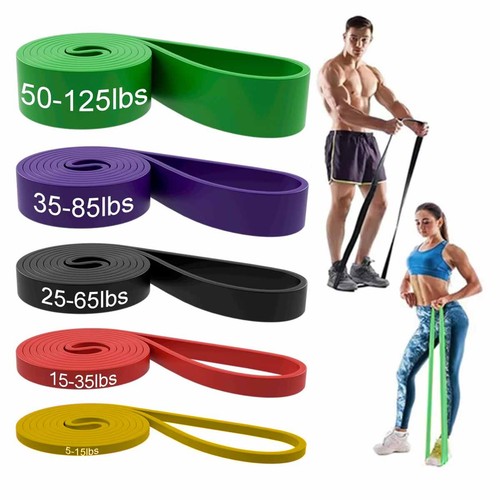
| Flat Loop Band | Lower-body, glute/leg work, stretching | 5–35 kg | Looped around limbs | Pocket-sized | $ |
| Round Tube (No Handles) | Advanced rehab, DIY setups | 5–40 kg | Hand-wrapped or anchored | Coils into pouch | $$ |
| Round Tube (With Handles) | Strength training, gym-style moves | 7–60 kg | Foam/rubber handles | Bulky, needs bag | $$ |
| Stackable Tube Set | Home gyms, progressive overload | 10–90+ kg (combined) | Handles + carabiners | Larger carry case | $$$ |
Pricing context: $, $$, and $$$ are relative ratings against the other products listed above, not absolute dollar ranges. Live current prices follow below.
Related Guides
- Resistance Bands vs Tubes: What’s the Real Difference?
- Ankle Braces vs Compression Socks: What’s the Real Difference?
- Humidifiers vs Dehumidifiers: What’s the Real Difference?
- Scoliosis Back Braces That Actually Make a Difference
- Steam Inhalation vs Nebulization: What’s the Real Difference?
- Yoga Mat vs Pilates Mat: What’s the Real Difference?
Exercise Selection: What Each Tool Does Best
Flat bands shine in rehab, mobility, and flexibility routines. Their low-profile design makes them a staple for physical therapy—especially for shoulder, knee, and hip rehab. They’re also perfect for Pilates and yoga, where you need to add gentle resistance without altering your grip or posture. Movements like clamshells, straight-leg raises, and rotator cuff exercises are easier to perform with a flat band than a tube.
Tubes with handles are built for strength. Exercises like standing chest presses, rows, squats with overhead press, and even deadlifts can be performed with a tube set—especially if you want to mimic gym-style resistance. Stackable tube sets (where you add multiple tubes to a single handle) allow for progressive overload, essential for building muscle. If your goal is to replace or supplement free weights, tubes with handles are the closest match.
Loop bands (a sub-type of flat bands) are the tool of choice for glute activation, lateral walks, and dynamic stretching. They’re designed to be slipped around your thighs or ankles, providing targeted resistance without needing to tie knots or adjust handles.
For advanced users, round tubes without handles can be anchored at different points for custom setups, but this requires more knowledge (and sometimes extra hardware). These are popular in sports performance training, where you want to replicate the direction and feel of sport-specific movements.
Check current pricesDurability and Maintenance: What Fails First
Both bands and tubes can break down over time, but the failure modes differ. Flat bands are vulnerable to nicks and tears—one small cut can quickly turn into a full rip, especially if the band is stretched near its maximum. Most flat bands last 6–18 months with regular use, but exposure to sunlight or harsh cleaners accelerates breakdown. Tubes, especially those with thick walls or reinforced ends, resist tearing but can lose elasticity and develop cracks at the attachment points. Handles are typically the first thing to fail on tube sets—look for reinforced stitching and thick plastic collars.
Always inspect your bands and tubes before use. If you see thinning, discoloration, or small cracks, it’s time to replace. For maximum lifespan, store both types indoors, away from direct sunlight and extreme temperatures. Wipe down with a damp cloth—never use alcohol or bleach, as these degrade latex and synthetic rubbers.
See what’s availableClinical Context: Why Physical Therapists Use Both
Physical therapists choose between bands and tubes based on the movement pattern they’re targeting. For joint stabilization and gentle range-of-motion work, flat bands are preferred due to their uniform tension and ability to be anchored easily around limbs. For strength progression and functional training, tubes are better suited—they support higher resistance levels and can be anchored at various heights for multi-directional exercises.
In clinical research, both tools have been shown to improve strength and mobility, but the key is matching the tool to the movement. For example, a peer-reviewed study in the Journal of Strength and Conditioning Research found that tube resistance is more effective for certain compound movements, while bands are better for isolated joint exercises. If you’re in post-injury rehab, your therapist will likely start you with bands and progress to tubes as you regain strength.
Specifications that actually matter
Resistance Range (kg or lbs)
This is the most critical spec—the amount of force required to stretch the band or tube to a certain length. Always check the stated resistance at a specific elongation (e.g., 100% stretch). For general strength work, look for tubes rated up to 60 kg; for rehab, bands in the 2–15 kg range suffice.
Elongation Percentage
This tells you how far the band or tube can safely stretch relative to its resting length. Quality bands often stretch to 200–250% of their original length; tubes can sometimes go further, but beware of overstretching, which shortens lifespan and increases injury risk.
Material Composition
Most bands and tubes are made from latex, but hypoallergenic synthetic options exist. Latex delivers better elasticity and longevity, but synthetic materials are essential for those with allergies. Always check for “latex-free” labeling if you have sensitivities.
Handle Attachment (for tubes)
Look at how handles connect to the tube. Removable handles (with carabiners) offer more versatility, but fixed handles often last longer. Reinforced stitching and thick collars at the ends reduce the risk of snapping during high-tension movements.
Width (for bands) or Diameter (for tubes)
Wider bands (10–15 cm) distribute force more comfortably and reduce the risk of cutting into skin. Thicker tubes (10–13 mm diameter) tend to last longer and provide higher maximum resistance, but can be harder to stretch for smaller users.
Compare today’s dealsFAQ: Resistance Bands vs Tubes
Which is better for building muscle: resistance bands or tubes?
Tubes with handles are generally superior for muscle building, since they allow for higher resistance (up to 60+ kg) and can mimic gym exercises like presses and rows. Flat bands are better for endurance and rehabilitation, where lower, consistent tension is preferred.
How long do resistance bands and tubes last with regular use?
With proper care, flat bands typically last 6–18 months before showing signs of wear. Tubes, especially those with reinforced ends and handles, can last 1–3 years. Lifespan depends on frequency of use, storage conditions, and exposure to sunlight or harsh chemicals.
Are resistance tubes safer than bands?
Both are safe when used correctly, but tubes with handles reduce the risk of slippage and are less likely to snap mid-exercise. Flat bands are more prone to tearing if they develop nicks or are stretched beyond their rated elongation. Always inspect for damage before each use.
Can you use bands and tubes interchangeably for all exercises?
Not always. Some exercises—like glute bridges or lateral walks—work best with flat or loop bands, while pressing and pulling movements (like chest presses or rows) are easier and safer with tubes and handles. Adapting every exercise to both formats often requires significant setup changes or additional anchors.
Which provides more resistance: bands or tubes?
Tubes generally provide higher maximum resistance, especially when multiple tubes are stacked together (upwards of 90 kg or more). Flat bands max out at around 25–35 kg for most consumer options, making tubes the better choice for advanced strength training.
What should I look for when buying resistance bands or tubes?
Focus on the stated resistance range at a given stretch, material (latex vs. synthetic), and handle construction (for tubes). For bands, prioritize width and thickness for comfort and durability. Always check for latex-free options if you have allergies, and make sure your purchase includes clear resistance markings and a warranty or return policy.
Bottom Line: Matching the Tool to Your Training
If you want a gym-like experience at home and plan to focus on strength or muscle-building, tubes with handles are your best bet. Flat bands are unbeatable for rehab, mobility, and lower-intensity routines—plus, they’re the most portable option on the market. The right pick comes down to how you train, not just what’s cheapest or most popular. Invest in the format that fits your needs and you’ll get far more out of your workouts, no matter your level.



Last updated: June 2026 · About our research