7 min read
Peripheral artery disease affects an estimated 8.5 million people in the United States, according to the American Heart Association. That’s just one of several conditions where poor foot circulation is a daily reality. But outside of clinical diagnoses, many people notice cold, numb, or swollen feet and want practical, at-home ways to boost foot circulation — ideally without expensive interventions or guesswork. The right approach depends on what’s actually causing your symptoms and which methods have real, measurable effects.
Spot the difference between superficial fixes and proven methods
Every year, dozens of new foot massagers, compression sleeves, and “circulation-boosting” devices hit the market. Many promise improved blood flow, but only a few deliver quantifiable results. The key is to separate options with actual supporting evidence from those that offer little more than a warm sensation.
For example, pneumatic compression boots used in clinical settings deliver pressures between 40–60 mmHg and have been shown to increase venous return in patients with vascular disease. In contrast, most at-home foot massagers provide vibration or kneading but rarely reach pressures above 20 mmHg — enough for comfort, not for major circulatory impact. The same goes for topical creams: a tingling sensation doesn’t equal increased blood flow.
How the main options compare for boosting foot circulation
| Approach | Mechanism | Typical Intensity/Spec | Ease of Use | When to Use |
|---|---|---|---|---|
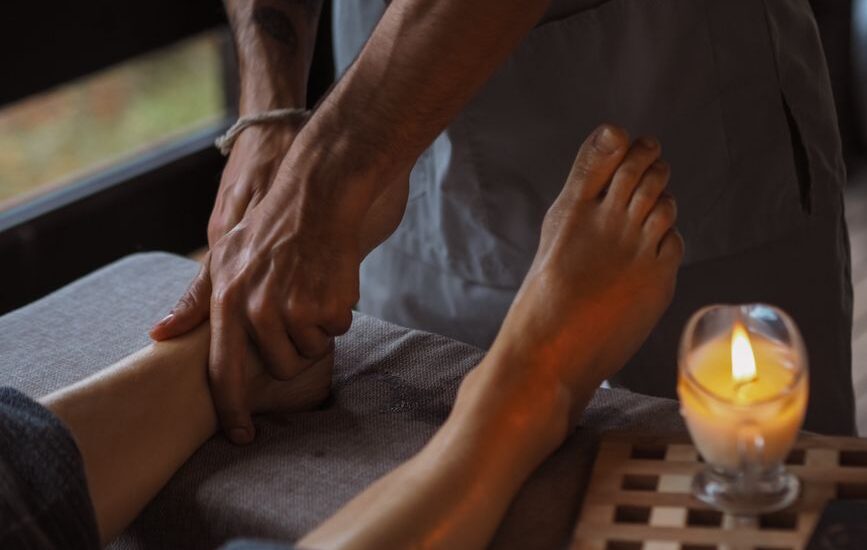
| Manual massage | Physical kneading stimulates blood vessels and muscles | Pressure: 10–30 mmHg (hand-applied) | Requires hands or partner | Anytime, especially after inactivity |
| Electric foot massager | Automated kneading, vibration, or air compression | Pressure: 15–25 mmHg; vibration: 20–50 Hz | Plug in, set timer | Daily home use |
| Pneumatic compression device | Sequential air chambers inflate to squeeze foot/lower leg | Pressure: 40–60 mmHg, cycle: 30–60 sec | Strap on, press start | Medical needs, severe symptoms |
| Graduated compression socks | Elastic fabric applies graded pressure from ankle up | Pressure: 15–30 mmHg (typical consumer) | Wear like normal socks | Prolonged sitting/standing, travel |
| Targeted exercise | Muscle contractions pump venous blood | 10–20 mins/session, 3–5x/week | Requires motivation | Prevention, ongoing maintenance |
| Thermal therapy | Heat dilates blood vessels in feet | Water: 38–40°C (100–104°F) | Foot bath or heated pad | Short-term relief |
Related Guides
Decide which method matches your real need
The best way to boost foot circulation depends on why you’re seeking it. Are you trying to relieve the “pins and needles” after a long flight, manage swelling from standing all day, or address a diagnosed vascular condition?
- For travel or sedentary days: Graduated compression socks in the 15–20 mmHg range are effective for most healthy adults and are easy to wear for hours. They’re a proven way to reduce swelling and improve venous return during inactivity.
- For chronic discomfort or swelling: Pneumatic compression devices (the kind with sleeves and a pump) deliver higher pressures and sequential cycles, which can provide more substantial increases in blood flow. These are especially useful for people with moderate to severe symptoms, but they’re more expensive and bulkier than other options.
- For general wellness: Regular movement — even simple ankle pumps or toe curls — is more effective than any device for most people. Ten minutes of targeted foot and calf exercises can measurably improve blood flow, according to multiple studies.
- For relaxation or short-term relief: Electric foot massagers and heated foot baths offer comfort and may provide minor circulation boosts, but their primary benefit is temporary symptom relief, not long-term vascular improvement.
Before spending on a premium device, ask yourself whether your symptoms are occasional or persistent, and whether you need a clinical-grade intervention or just some routine preventive care. The American Heart Association provides further background on circulation issues and when to seek medical advice.
View options
How to boost foot circulation: step-by-step guide
- Assess your current symptoms and risk factors. Note whether you experience swelling, numbness, persistent coldness, or color changes in your feet. Consider underlying factors like diabetes, high blood pressure, or prolonged inactivity.
- Select the right intervention for your situation. For mild, occasional symptoms, start with daily movement or compression socks. For more severe or persistent issues, consider pneumatic compression or consult a clinician.
- Implement a daily routine. Set a timer for 10 minutes of foot and calf exercises each day. Include ankle circles, toe curls, and heel raises. If using a device, follow manufacturer instructions for session length and frequency — most recommend 15–30 minutes per session.
- Monitor your response. Track changes in swelling, color, temperature, and comfort. If symptoms worsen or fail to improve after two weeks, escalate to a more intensive intervention or seek professional evaluation.
- Layer in supportive habits. Stay hydrated, avoid sitting cross-legged for long periods, and elevate your feet above heart level for 10–15 minutes daily to assist venous return.
Why exercise remains the gold standard for most people
While devices and socks offer convenience, nothing matches the effectiveness of muscle-driven blood flow for the average person. Simple foot exercises — like ankle pumps, heel-toe raises, and walking — directly activate the calf muscle pump, which propels venous blood back toward the heart. Studies show that even 10 minutes of brisk walking can increase lower limb blood flow by 20–30% compared to baseline.
If you’re unable to walk due to mobility issues, seated exercises still provide measurable benefit. For example, performing 20 ankle circles per foot (3–5 sets daily) can stimulate similar improvements in microcirculation. Mechanical devices are best reserved for those with more severe restrictions or clinical needs.
Red flags in listings to walk past
- No disclosed pressure rating: Devices or socks that don’t specify mmHg of compression are usually ineffective or unsafe. Reputable options always list this number — avoid “gentle” or “firm” with no quantifiable spec.
- Claims to “cure” circulatory disease: Any listing that guarantees medical outcomes or uses terms like “cure” or “miracle” is not trustworthy. Genuine circulation aids make modest, support-oriented claims.
- Stock photos only, no product dimensions: Listings that show only generic feet and don’t provide actual size details may be reselling low-quality imports. Always look for foot length, width, and pressure range.
- No return policy or warranty: Circulation devices should have at least a 30-day return window and some form of warranty. Lack of these suggests a questionable seller or product source.
- Overly vague materials or construction info: “High-tech fabric” or “advanced technology” without details on what’s inside is a red flag. Look for listings that specify fabric blend, air pump specs, or session cycle times.
FAQs about boosting foot circulation
How long does it take to see results from foot circulation exercises?
Most people notice improved warmth or reduced swelling within 7–14 days of consistent daily exercises. For chronic conditions, it may take 4–6 weeks of regular effort to see sustained changes.
Are electric foot massagers or pneumatic compression boots better for severe circulation problems?
Pneumatic compression boots deliver higher, clinically relevant pressures (40–60 mmHg) and are more effective for severe swelling or vascular insufficiency. Electric foot massagers are better suited for mild discomfort or relaxation and typically do not provide enough compression to address major circulatory issues.
What pressure rating should I look for in compression socks?
For general wellness and travel, 15–20 mmHg is typical. People with moderate swelling or mild varicose veins may benefit from 20–30 mmHg. Higher pressures should only be used under clinical supervision.
Can I use heat therapy every day to improve foot circulation?
Daily heat therapy, such as warm foot baths at 38–40°C (100–104°F), is generally safe for most people. However, prolonged use can cause skin dryness or burns if not monitored. Heat is best used as a short-term comfort measure rather than a primary treatment for poor circulation.
What’s the main difference between manual massage and electric devices?
Manual massage allows you to control pressure and target specific areas, but it requires time and effort. Electric devices automate the process, offering consistent pressure and vibration, but may not reach deeper tissues or adapt to your anatomy as effectively as hands-on massage.
What should I do if my feet stay cold or numb despite trying these methods?
Persistent coldness or numbness may indicate an underlying medical condition, such as neuropathy or peripheral artery disease. If symptoms don’t improve after two weeks of self-care, consult a healthcare professional for further evaluation.
Choose what fits your lifestyle and risk
Boosting foot circulation isn’t about buying the fanciest device or chasing the latest trend. The best results come from matching the intervention — whether it’s exercise, compression, or mechanical assistance — to your actual needs and risk factors. Prioritize daily movement and only layer in devices or socks with proven, quantifiable specs when your situation calls for it. Reliable improvement rarely comes from shortcuts, but with the right approach, most people can achieve better comfort and healthier feet at home.
Last updated: July 2026 · How we research and evaluate