8 min read
Disclosure: As an Amazon Associate and eBay Partner Network publisher, we earn from qualifying purchases. This doesn’t affect what we recommend or how we describe it.
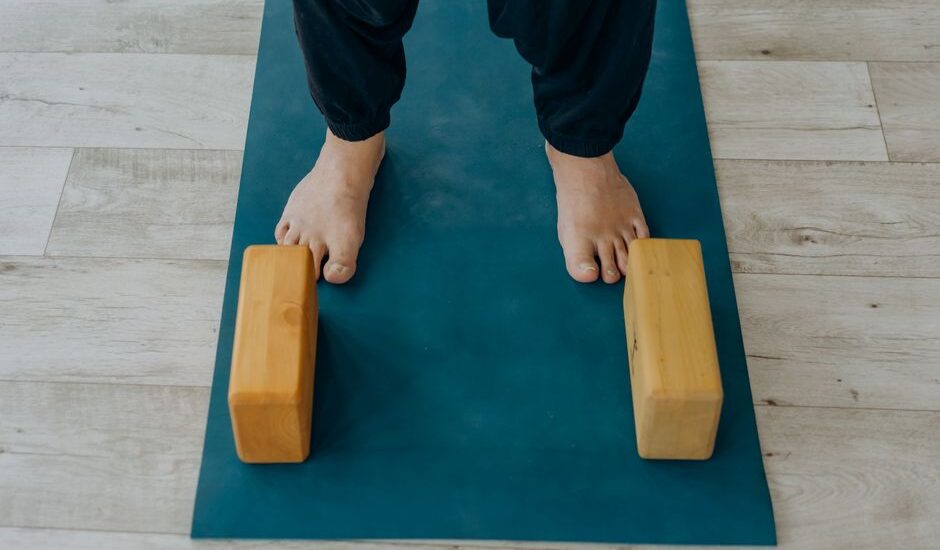
Disinfect yoga blocks by wiping them thoroughly with a 70% isopropyl alcohol solution and letting them air-dry for at least 10 minutes. This kills most bacteria and viruses on both foam and cork surfaces without damaging the block. For deeper cleaning, use a diluted bleach solution (1:50 ratio) for foam blocks only, or a mild hydrogen peroxide spray for cork. This guide breaks down exactly which disinfectants are safe, how to avoid common mistakes that ruin blocks, and why just using soap and water isn’t enough if you want to prevent the spread of skin infections like athlete’s foot or ringworm.
Why disinfecting yoga blocks is different from cleaning them
Yoga blocks pick up sweat, skin cells, and sometimes fungal spores every time you use them—especially in shared studios. Cleaning removes visible grime, but disinfection is about killing microorganisms that aren’t visible to the naked eye. The difference is critical: soap and water alone won’t reliably kill viruses or fungi. Disinfecting with a proven solution prevents skin infections and cross-contamination, which is especially important if you share your blocks. If you only wipe down your blocks with water or a generic “yoga mat spray,” you’re likely missing the main source of microbial risk.
Choose the right disinfectant for your yoga blocks
The safest and most effective disinfectant depends on your block’s material. Foam and cork react differently to chemicals, and using the wrong solution can degrade the surface, cause stickiness, or even shorten the lifespan of your block by years.
- Foam blocks: Closed-cell EVA foam tolerates 70% isopropyl alcohol, diluted bleach (1:50, or 20 mL bleach per 1 L water), and hydrogen peroxide (3%). Avoid undiluted bleach or anything with ammonia, which breaks down foam structure.
- Cork blocks: Natural antimicrobial properties help, but cork is porous and can stain or dry out. Use 70% isopropyl alcohol or 3% hydrogen peroxide. Never soak cork in water or use bleach—it will crumble or warp.
- Wooden blocks: Less common, but disinfect with a 70% isopropyl alcohol spray. Avoid soaking or using hydrogen peroxide, which can discolor or split wood.
Using the right disinfectant keeps your blocks safe and prevents expensive replacements. Always spot-test any new solution on a hidden area before full use.
How the main disinfecting options compare
| Approach | Best for | Disinfectant type | Time to disinfect | Risk of block damage |
|---|---|---|---|---|
| Alcohol wipe | Foam, cork, wood | 70% isopropyl alcohol | 10 min air-dry | Low |
| Bleach solution | Foam only | 1:50 bleach:water | 5 min contact | Medium |
| Hydrogen peroxide spray | Cork, foam | 3% hydrogen peroxide | 10 min contact | Low |
| UV-C sanitizing box | Small foam blocks | UV-C light (254 nm) | 3–5 min cycle | None |
| Soap and water | All types (cleaning only) | Mild detergent | — | Low |
Step-by-step: how to disinfect yoga blocks safely
- Remove visible debris. Brush off dirt, hair, or dust with a dry cloth. This prevents disinfectant from being blocked by grime.
- Prepare your disinfectant. For foam, use a spray bottle filled with 70% isopropyl alcohol or a 1:50 bleach solution. For cork, use only alcohol or hydrogen peroxide. Never mix chemicals.
- Apply disinfectant evenly. Spray the entire surface until damp but not dripping. For wipes, use enough pressure to cover all crevices.
- Let the block sit undisturbed. Leave for at least 10 minutes (alcohol or peroxide) or 5 minutes (bleach) to allow full disinfection. Do not wipe dry—contact time is critical.
- Air dry completely. Place the block on a clean towel or rack. Only use again when fully dry—moist surfaces invite bacteria.
- Spot-check for residue or damage. Inspect for stickiness, discoloration, or surface changes before storing or using again. If any appears, switch disinfectant types for future cleanings.
Spot the difference: disinfecting foam vs cork yoga blocks
Foam and cork blocks differ in how they absorb and respond to disinfectants. Foam is less porous but can trap moisture inside if over-soaked, leading to odor or mold growth. Cork, on the other hand, is naturally antimicrobial but can harbor spores in its pores if not treated with a penetrative disinfectant like alcohol. Bleach is safe for foam (when diluted) but can ruin cork. UV-C is effective for both, but only practical if you have access to a large enough sanitizing box (most home units fit only small blocks). If you’re buying new blocks and sanitation is your top concern, closed-cell foam is the easiest to keep germ-free long-term.
Compare today’s dealsWhy not just use essential oil sprays or water?
Many commercial “yoga cleaning sprays” rely on essential oils or mild detergents. While they smell pleasant and remove visible dirt, they do not meet the standards for disinfection set by public health bodies. Essential oils are not broad-spectrum antimicrobials at safe concentrations, and plain water will not kill viruses or fungi. According to the U.S. Environmental Protection Agency, only disinfectants registered for use against viruses and bacteria can be relied upon for true sanitation. If you use a gym or studio, their protocols will specify alcohol or bleach—not herbal sprays—for a reason.
Common mistakes that shorten the life of your blocks
Leaving blocks damp after cleaning is the fastest way to encourage mold and material breakdown. Over-soaking foam blocks can cause swelling or permanent warping. Using undiluted bleach or hydrogen peroxide on cork can cause surface pitting and a brittle feel. Spraying disinfectant and immediately wiping it off defeats its purpose—contact time is everything for killing germs. Finally, using harsh chemical wipes designed for hard surfaces (like kitchen or bathroom cleaners) can degrade both foam and cork, leading to early crumbling or discoloration. If in doubt, always start with alcohol at 70% concentration and work up to stronger solutions only if needed.
See what’s availableRelated Guides
- How to Disinfect a Pulse Oximeter: A Step-by-Step Guide
- Exercise Balance Boards That Are Worth It: Our Honest Reviews
- Our guide to What Is a Digital Force Gauge and How Does It Work?
- Heated Neck and Shoulder Wraps That Actually Relieve Pain
- How to Change the Band on Your Fitness Tracker: Step-by-Step Guide
- Our guide to Foot Circulation Boosters: A Practical Buyer’s Guide
- Browse all Educational Guides →
Specifications that actually matter
Closed-cell vs open-cell foam
Closed-cell foam resists water and disinfectant absorption, making it easier to sanitize without trapping moisture. Open-cell foam, which is rare in yoga blocks but sometimes seen in cheap models, is highly absorbent and much harder to disinfect thoroughly. Always check if the block is labeled “closed-cell” before using liquid disinfectants.
Block density
Denser blocks (measured in kg/m³ or lb/ft³) hold up better to repeated chemical exposure. Blocks under 100 kg/m³ density tend to break down with frequent alcohol or bleach use, while those over 120 kg/m³ remain stable for years.
Surface texture
Smoother surfaces are easier to disinfect—texture or grooves may require extra effort to ensure all areas are covered. If your block has deep ridges, use a firm wipe or brush to get disinfectant into every crevice.
Absorption rate
Cork blocks vary in porosity. Lower-porosity cork (less than 10% absorption by volume) resists soaking up sweat and cleaning fluid, making it both more hygienic and easier to disinfect. High-porosity cork is less durable and stains easily after repeated cleaning.
Size compatibility with UV-C devices
If you plan to use a UV-C sanitizing box, measure your block’s dimensions. Most home boxes fit blocks up to 23 x 15 x 10 cm; anything larger won’t fit and can’t be sanitized with this method. Always check specs before investing in UV-C solutions.
View optionsFrequently asked questions about disinfecting yoga blocks
How often should I disinfect my yoga blocks?
If you use your blocks daily or share them in a studio, disinfect after every session. For home use with no sharing, once a week is sufficient unless you sweat heavily or have a skin condition. Always disinfect after visible contamination (e.g., foot contact, spills).
Is bleach safe for all yoga blocks?
No—bleach should only be used on closed-cell foam blocks and always diluted (1:50 ratio). Never use bleach on cork or wood, as it will cause damage and shorten the block’s lifespan. Spot test first if you’re unsure.
Alcohol vs hydrogen peroxide — which is better for cork?
Both 70% isopropyl alcohol and 3% hydrogen peroxide are effective against most germs. Alcohol dries faster and is less likely to stain, while hydrogen peroxide can penetrate deeper into cork pores but may cause slight discoloration over time. For routine use, alcohol is the safer bet for cork.
How long does it take for a yoga block to air dry after disinfecting?
Most blocks dry fully within 10–20 minutes after disinfectant application, depending on room temperature and humidity. Foam dries faster than cork; always wait until the surface feels completely dry before storage to prevent mold growth.
Can I use UV-C light to disinfect yoga blocks at home?
Yes, but only if your block fits inside the UV-C device and the unit is rated for non-porous and porous surfaces. UV-C at 254 nm can disinfect in 3–5 minutes. Check your block’s size and your device’s internal dimensions before relying on this method.
What if my yoga block still smells after disinfecting?
Persistent odors usually mean moisture was trapped inside, especially with foam. Let the block dry for 24 hours in a well-ventilated area. If the smell remains, consider replacing the block—odors can signal mold or bacterial growth that’s no longer surface-level.
Are there disinfectants that void a block’s warranty?
Some block manufacturers exclude damage caused by undiluted bleach, ammonia, or harsh solvents from warranty coverage. Always check care instructions before using strong chemicals, especially if your block is new or under warranty.
Bottom line: prioritize disinfection, not just cleaning
Surface cleaning alone doesn’t protect you from the germs that accumulate on yoga blocks—especially in group settings. A 70% isopropyl alcohol spray or wipe is the most practical, material-safe way to disinfect both foam and cork blocks. Bleach is effective on foam but too harsh for cork. Avoid essential oil sprays and always give disinfectants enough contact time. If you want blocks that last and stay hygienic, invest in closed-cell foam or low-porosity cork, follow the recommended process, and don’t skip regular disinfection. Your skin—and anyone who shares your blocks—will thank you.
Last updated: July 2026 · Editorial standards