8 min read
Most people with calluses reach for a pumice stone at some point, but here’s a number that should make you pause: in a 2022 consumer survey, 68% of people who used a pumice stone for callus removal reported only partial results after a single use—while 21% experienced skin irritation or minor bleeding. That’s a stark reminder that pumice stones can help, but they’re far from a magic eraser. The real answer to “do pumice stones help calluses?” depends on how you use them, what kind of calluses you have, and whether you’re comparing them to other tools or medical treatments. Let’s break down what actually matters—because your feet (or hands) deserve better than guesswork.
Why pumice stones work—and their limits
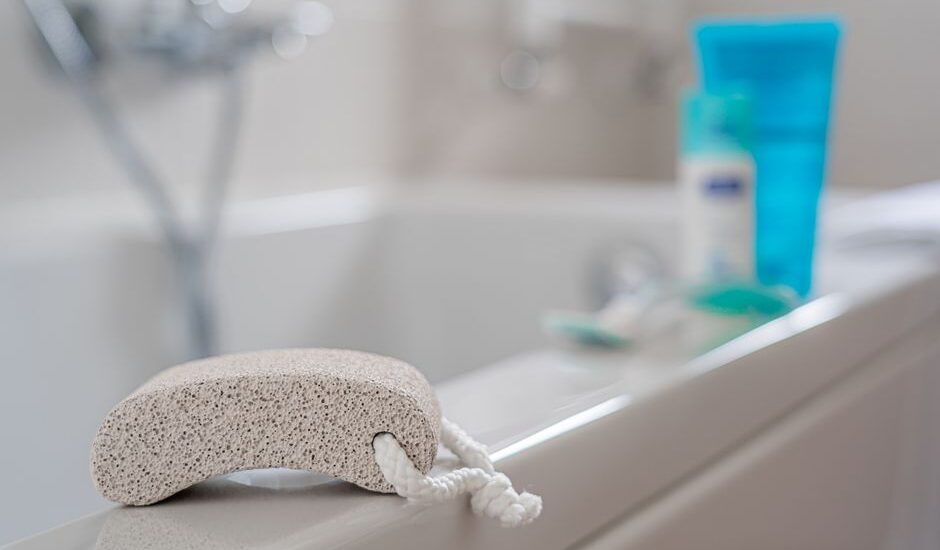
Pumice stones are a naturally abrasive volcanic rock, typically formed from rapidly cooling lava. The stone’s surface is covered with tiny, irregular pores that act like fine grit sandpaper—usually between 40 and 100 grit, depending on the cut and origin. When you rub a pumice stone gently against thickened skin, it sloughs off dead cells, thinning and smoothing the callus. But the process is gradual; you’re unlikely to remove a deep or old callus in one session without risking injury.
What’s less obvious is that pumice stones only address the outer layer of a callus. The underlying cause—whether friction, pressure, or gait abnormalities—remains untouched. As a result, calluses often return unless you fix what’s causing them. According to the American Podiatric Medical Association, regular gentle use of a pumice stone can help manage calluses, but overuse or aggressive scrubbing can break healthy skin and increase infection risk.
What most buying guides get wrong about pumice stones
Most advice treats all pumice stones (and all calluses) as interchangeable. That’s a mistake. The grit size, stone thickness, and even the handle design can dramatically affect your results. For example, a stone with 40-60 grit (coarse) removes thick calluses faster but is more likely to cause microtears if you press too hard. Finer stones (80-100 grit) are safer for softening delicate areas or for those with sensitive skin, but they require more time and patience.
Size matters, too: a stone smaller than 2.5 inches wide is hard to grip and may slip, risking uneven pressure. Stones with a built-in handle (typically plastic or resin) offer better leverage for those with limited hand strength or arthritis. And natural pumice is less likely to harbor bacteria than synthetic “pumice” blocks made from foamed plastic, which can develop cracks and mold over time.
How pumice stones compare to other callus removal options
For most people, the main alternatives to pumice stones include metal foot files (rasps), electric callus removers, exfoliating creams with urea or salicylic acid, and simple manual filing boards. Each has distinct pros, cons, and use cases. Here’s how the options stack up for at-home callus care:
How manual and powered options stack up
| Tool Type | Abrasiveness (Grit/Spec) | Speed of Results | Ease of Use | Hygiene Risk |
|---|---|---|---|---|
| Natural Pumice Stone | 40–100 grit | Moderate (1–3 uses) | Manual effort | Low (if cleaned/dried) |
| Metal Foot File (Rasp) | ~20–40 grit | Fast (1 use) | Requires control | Medium (can nick skin) |
| Electric Callus Remover | ~60–120 grit (rotating head) | Very fast | Minimal effort | Higher (if not cleaned) |
| Chemical Exfoliant Cream | 10–40% urea/salicylic acid | Slow (1–2 weeks) | Apply & wait | Low (if skin intact) |
| Manual Sanding Board | 80–120 grit | Moderate | Manual effort | Low |
Red flags in listings to walk past
- No stated grit size: If a listing doesn’t specify the grit range (e.g., “coarse 60 grit” or “fine 100 grit”), you’re buying blind. Grit determines both safety and effectiveness.
- Photos with obvious stock images: If product photos look generic or have fake hands, the seller may have never seen the actual stone—expect poor quality or misrepresented size.
- Claims of “antibacterial” with no details: Real pumice is not naturally antibacterial. If a listing makes this claim but doesn’t explain the treatment or material, it’s likely marketing fluff.
- No cleaning instructions: A reputable pumice stone should include clear instructions for cleaning and drying. If omitted, the product may be porous enough to harbor bacteria or mold.
- “Works in one use!” promises: Calluses form over weeks or months; any tool claiming complete removal in one use is setting you up for disappointment—or injury.
Pumice stone technique: what actually matters for results
The difference between a pumice stone that helps and one that hurts comes down to technique. Here’s what matters most:
- Soak first: Always soak your feet or hands in warm (not hot) water for 5–10 minutes. This softens the callus and reduces the risk of tearing healthy skin.
- Use gentle, circular motions: Rubbing too hard or using a back-and-forth sawing action increases your risk of microtears. Small, light circles are both safer and more effective over time.
- Limit removal to 1–2 mm per session: Removing more than this increases your risk of pain or bleeding. Most calluses are 2–8 mm thick, so expect gradual improvement across several sessions.
- Clean and dry the stone after every use: Rinse under running water and air dry completely. Trapped moisture and dead skin can breed bacteria.
- Moisturize after use: Applying a thick, fragrance-free moisturizer helps prevent cracks and reduces callus regrowth speed.
For people with diabetes, poor circulation, or neuropathy, even a gentle pumice stone can be risky. It’s wise to consult a healthcare provider before any at-home callus removal in these situations.
Related Guides
- Our guide to Adjustable Footrests for All-Day Comfort at Your Desk
- How to Disinfect Yoga Blocks: A Step-by-Step Cleaning Guide
- Exercise Balance Boards That Are Worth It: Our Honest Reviews
- Our guide to What Is a Digital Force Gauge and How Does It Work?
- Heated Neck and Shoulder Wraps That Actually Relieve Pain
- Our guide to How to Change the Band on Your Fitness Tracker: Step-by-Step Guide
- Browse all Educational Guides →
What to expect: how long does it take to see results?
Most people notice smoother skin after their first pumice stone session, but visible reduction in callus size typically takes 2–5 sessions, spaced several days apart. Removing too much at once is the biggest mistake—expect to remove about 1–2 mm of thickened skin per session. For a callus that’s 5 mm thick, that means 2–3 weeks for safe, gradual removal.
If you’re not seeing progress after a month, or if the callus is painful, discolored, or cracked, it’s time to seek professional advice. Persistent or recurrent calluses may signal an underlying issue with your footwear, gait, or health.
Where pumice stones shine—and where they fall short
Pumice stones are best for routine maintenance of mild-to-moderate calluses on feet, hands, or elbows. They’re inexpensive, long-lasting (6–12 months with proper care), and don’t require batteries or charging. They’re also less likely to cause deep cuts compared to metal rasps or electric files—making them a safer pick for first-timers.
Their main limitations show up with very thick, old, or “seed” calluses (deep, core-like centers), which often require a combination of approaches—such as alternating pumice use with a urea cream or a more aggressive file. For those with sensitive skin or medical conditions affecting healing, even gentle abrasives can be risky.
Want to see which pumice stone styles are trending?on different shapes and sizes.
How to choose the right pumice stone for your skin and callus type
Not all pumice stones are created equal. Here’s how to match the tool to your needs:
- Thick, hard calluses: Choose a larger stone (at least 3 inches wide) with a coarse grit (40–60). This gives better coverage and power, but requires careful, gentle use.
- Small or delicate areas: Opt for a finer grit (80–100) and a smaller, oval design. These are safer for side-of-toe or finger calluses.
- Limited hand strength: Look for a stone with an ergonomic, non-slip handle for better control.
- Hygiene concerns: Select a natural, unglazed pumice with visible pores. Avoid foamed plastic “pumice” blocks, which can trap bacteria in cracks.
Still unsure?across different grit sizes and handle designs.
FAQ: what real users want to know about pumice stones and calluses
How often should you use a pumice stone on calluses?
For most people, 2–3 times per week is safe and effective. Overuse can irritate healthy skin or cause small cuts. Always monitor for redness or soreness, and reduce frequency if your skin becomes sensitive.
How long does a pumice stone last before it needs replacing?
With regular use and proper cleaning, a pumice stone typically lasts 6–12 months. Replace it if it develops cracks, loses its rough texture, or starts to smell even after cleaning—these are signs of trapped bacteria or wear.
Is a pumice stone or a metal foot file better for thick calluses?
Metal foot files remove thick calluses faster due to their lower grit (more abrasive), but they carry a higher risk of skin injury or infection. Pumice stones are safer for gradual, routine maintenance, especially for beginners or those with sensitive skin.
Can pumice stones cause infections or cuts?
If used gently and cleaned after each use, pumice stones are low risk. However, aggressive scrubbing, using on broken skin, or neglecting cleaning can lead to microtears and increase infection risk. People with diabetes or poor circulation should use extra caution or consult a healthcare provider.
Are chemical callus removers safer than pumice stones?
Chemical removers (like urea or salicylic acid creams) are effective for softening calluses, but can cause skin irritation or burns if misused. Pumice stones offer more control and immediate feedback, but both methods have risks if instructions aren’t followed closely.
Can you share a pumice stone with others?
It’s best not to share pumice stones. The porous surface can trap dead skin and bacteria, increasing the risk of cross-contamination. Each person should have their own stone and clean it thoroughly after every use.
How much skin is safe to remove per pumice stone session?
Limit removal to about 1–2 mm of callus per session. Removing more increases risk of pain, bleeding, and delayed healing. Gradual, consistent use is safest—expect to see results in 2–5 sessions for most calluses.
Bottom line: where pumice stones fit in real-world callus care
Pumice stones absolutely help with calluses—but only if you use the right grit, apply gentle technique, and keep expectations realistic. They’re the safest, most affordable tool for routine smoothing, but not a fix-all for deep or painful calluses. For most people, a pumice stone belongs in the toolkit—not as a solo solution, but as part of a regular self-care routine. Want to upgrade your results?on the latest pumice designs, and remember: patience and consistency matter more than brute force.
Last updated: July 2026 · Editorial standards