
Disclosure: As an Amazon Associate and eBay Partner Network publisher, we earn from qualifying purchases. This doesn’t affect what we recommend or how we describe it.
7 min read
The biggest mistake people make when shopping for a body temperature monitor is assuming all thermometers are more or less the same. In reality, the differences between contactless infrared, in-ear, oral, and wearable temperature monitors are significant — not just in how you use them, but in how accurate, fast, and useful they are for different needs. If you want to track fever in young children, spot subtle temperature shifts overnight, or get medically reliable readings for chronic health conditions, the best option for you will look very different. This guide breaks down exactly what matters, how the main categories stack up, and which type of device actually fits your situation.
Why Body Temperature Monitoring Isn’t One-Size-Fits-All
Body temperature fluctuates throughout the day, and the “right” way to measure it depends on your age, health status, and the level of accuracy you need. For example, a parent monitoring a child with a fever needs quick, non-invasive checks, while an adult with a thyroid condition may want to log subtle temperature shifts over weeks. There’s no universal best — only the best for your circumstances. Understanding the trade-offs between device types is the first step to making a smart choice.
If you’ve narrowed your shortlist and want new stock with free returns, Amazon is the practical choice.
Check Amazon →Core Types of Body Temperature Monitors — And Where Each Excels
Most devices fall into one of four categories: contactless infrared (forehead), in-ear (tympanic), oral/rectal/axillary digital thermometers, and continuous wearables. Each has unique pros, cons, and use-case sweet spots.
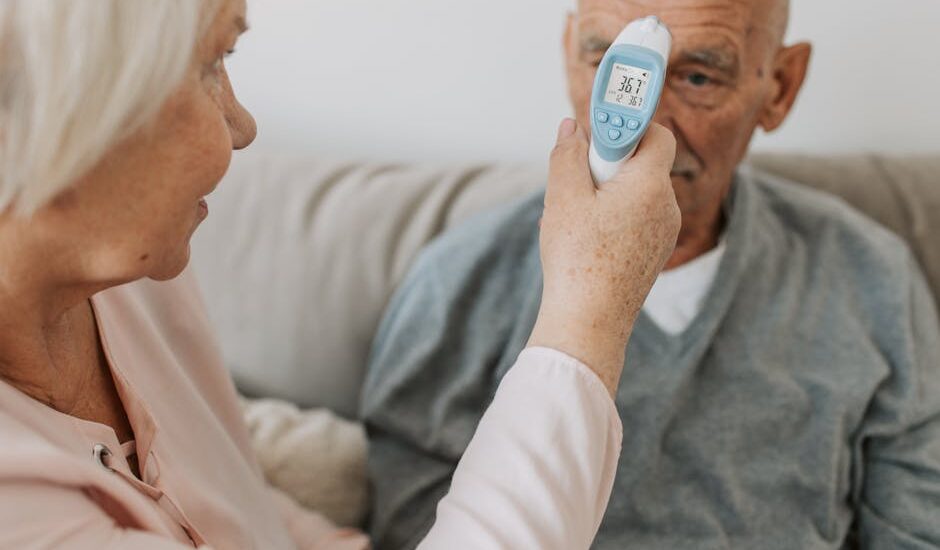
- Contactless Infrared (Forehead): These measure surface temperature using sensors tuned to 34–42°C (93–107°F). They’re fast (usually <2 seconds), hygienic, and good for screening multiple people. But they’re sensitive to ambient temperature and proper positioning, so readings can vary by ±0.5°C (±0.9°F).
- In-Ear (Tympanic): These detect infrared heat from the eardrum, which closely reflects core body temperature. Accuracy is typically within ±0.2°C (±0.4°F) if positioned correctly. They’re quick (1–3 seconds) and less affected by external factors, but technique matters — a shallow insertion or excess earwax can skew results.
- Digital Stick (Oral/Rectal/Axillary): Classic digital thermometers use thermistors to measure temperature at the mouth, rectum, or armpit. Rectal readings are most accurate (±0.1–0.2°C), oral is next (±0.2–0.3°C), axillary is least reliable (±0.3–0.6°C). They take 10–60 seconds depending on site and model.
- Wearables (Patch, Smartwatch, or Sensor): Designed for continuous tracking, these use skin sensors to log trends over hours or days. They’re ideal for spotting fevers overnight or tracking ovulation, but absolute readings are less precise (often ±0.3–0.5°C) and typically lag behind core body temperature during rapid changes.
How the Options Compare: Decision Table for Real-World Needs
| Profile | Best For | Measurement Range | Accuracy | Speed | Hygiene | Special Features |
|---|---|---|---|---|---|---|
| Contactless forehead | Quick checks, group screening, kids | 34–42°C (93–107°F) | ±0.5°C (±0.9°F) | 1–2 sec | Excellent | Backlit display, silent mode |
| In-ear tympanic | Core temp, adults/older children | 35–42°C (95–107°F) | ±0.2°C (±0.4°F) | 1–3 sec | Good (with covers) | Probe covers, fever alert |
| Digital stick (oral/rectal/axillary) | Spot checks, infants (rectal), home use | 32–43°C (89–109°F) | ±0.1–0.3°C (±0.2–0.5°F) | 10–60 sec | Requires cleaning | Flexible tip, memory recall |
| Wearable/patch sensor | Continuous monitoring, trend tracking | 32–42°C (89–107°F) | ±0.3–0.5°C (±0.5–0.9°F) | Continuous | Single-use or washable | App integration, alerts |
When Accuracy Matters Most: Clinical Contexts and Trade-Offs
For fever monitoring in babies under three months, nothing beats a digital rectal thermometer — this is the standard in clinics because it reflects core temperature with minimal lag. In-ear models come close for older children and adults, but only if you use fresh probe covers and proper technique. Contactless devices are great for quick checks (especially in high-traffic situations or with sleeping children), but their surface readings can be thrown off by sweat, recent bathing, or even room temperature shifts.
Wearables shine when you need to spot trends — for example, tracking overnight fevers, monitoring for infection after surgery, or following ovulation cycles. However, because skin temperature lags behind core temp during rapid changes (like chills or after exercise), they’re best for seeing patterns, not for making urgent health decisions.
Compare today’s dealsKey Specifications That Actually Matter — Not Just Marketing Hype
- Accuracy (±0.1–0.5°C): Check the stated margin of error. Medical-grade devices specify this clearly; anything above ±0.3°C is less reliable for clinical use.
- Measurement Range: For fever detection, you need at least 35–42°C (95–107°F). Broader ranges are nice for trend tracking but not essential for most families.
- Response Time: Contactless and in-ear models deliver readings in 1–3 seconds; digital sticks take 10–60 seconds. Wearables log data every 5–15 minutes, not instantaneously.
- Battery Life: Infrequent testers can get by with coin cells that last 1–2 years. Continuous monitors need rechargeable batteries (typically 3–7 days per charge) or disposable patches for single-use applications.
- Data Storage and Connectivity: Some wearables and digital thermometers sync with apps for trend tracking, export, or integration with health records. Look for Bluetooth or NFC, not just basic memory recall.
- Hygiene Features: Probe covers, washable tips, or single-use patches reduce infection risk — especially important in group or family settings.
Common Mistakes: What Most People Get Wrong with Temperature Monitoring
- Wrong site, wrong device: Using a contactless forehead thermometer for an infant’s core temp, or an oral stick for a child who can’t keep their mouth closed, leads to unreliable readings.
- Not waiting after eating/drinking: Oral readings can be off by 0.5°C or more if taken within 15–20 minutes of hot/cold drinks or food.
- Poor technique: In-ear devices require a snug fit and clean ear canal; contactless devices must be held at the right distance (often 2–5 cm, check device instructions) and aimed at the center of the forehead.
- Misunderstanding trends vs. spot checks: Wearable sensors are for patterns, not for diagnosing a sudden fever spike. For urgent checks, use a spot-check device.
Choosing the Right Device for Your Situation
If you’re buying for a family with young children, prioritize a contactless infrared for speed and hygiene, but keep a digital stick (with flexible tip) for infants under three months. Adults managing chronic illness or tracking fertility may find a wearable more useful, especially those with app integration and trend alerts. If you need the most medically reliable readings (post-surgery monitoring, immunocompromised patients), in-ear or rectal digital devices are best — but only if you’re comfortable with the technique and cleaning requirements.
Check current pricesRelated Guides
If you’ve narrowed your shortlist and want new stock with free returns, Amazon is the practical choice.
Compare Options on Amazon →FAQs: Real-World Questions About Body Temperature Monitors
How accurate are contactless forehead thermometers compared to oral or rectal devices?
Contactless forehead thermometers can be off by ±0.5°C (±0.9°F), especially if not used exactly as directed. Oral and rectal digital thermometers are more accurate, with rectal readings typically within ±0.1–0.2°C of true core temperature. For clinical accuracy, rectal is preferred, especially in infants.
Are wearable temperature sensors reliable for spotting fevers?
Wearable sensors provide excellent trend data but typically lag behind core body temperature during rapid changes. They’re best for noticing patterns (like overnight spikes) but not for urgent, one-off fever checks. Expect accuracy within ±0.3–0.5°C depending on placement and brand.
What’s the safest thermometer type for infants?
Medical guidelines recommend digital rectal thermometers for infants under three months, as they offer the most accurate reflection of core temperature. Contactless and axillary measurements are less reliable in this age group.
Can I use the same thermometer for multiple family members?
Yes, but hygiene is critical. Use disposable probe covers for in-ear and oral/rectal thermometers, and clean the device thoroughly between uses. Contactless thermometers are the easiest to share safely, as they don’t touch the skin.
What features matter if I want to track temperature trends over time?
Look for wearables or digital thermometers with app connectivity, memory recall (at least 10–30 readings), and regular automatic logging. Continuous monitoring is ideal for spotting patterns, but ensure the device records at least every 5–15 minutes for useful data.
Why do my readings vary between different thermometer types?
Each device measures temperature at a different site (forehead, ear, mouth, rectum, armpit), and each site has its own normal range. Environmental factors, user technique, and recent activity can all cause variations of 0.2–1.0°C. Always compare readings using the same site and device for consistency.
Bottom Line: Pick for Your Reality, Not the Hype
No single body temperature monitor is best for everyone. For accuracy that stands up to medical scrutiny, stick with digital rectal or in-ear models. For speed and convenience, especially with kids, contactless infrared is hard to beat. If you want to see trends — not just snapshots — a wearable sensor with good app support is worth considering. Always match your choice to your specific needs, and don’t be swayed by features you’ll never use.