
7 min read
Disclosure: As an Amazon Associate and eBay Partner Network publisher, we earn from qualifying purchases. This doesn’t affect what we recommend or how we describe it.
Most guides frame the decision between a personal sound amplifier and a hearing aid as a simple matter of price or medical necessity. The reality is more nuanced—especially for home aquarists who need to balance everyday listening needs with the acoustic demands of a planted aquarium room. The right choice depends on your environment, hearing profile, and how much control you want over background noise, not just budget or decibel boost. Below, you’ll find a practical, experience-based breakdown that cuts through marketing claims and helps you make the best investment for your specific situation.
Why “Louder” Isn’t Always Better: The Unspoken Differences
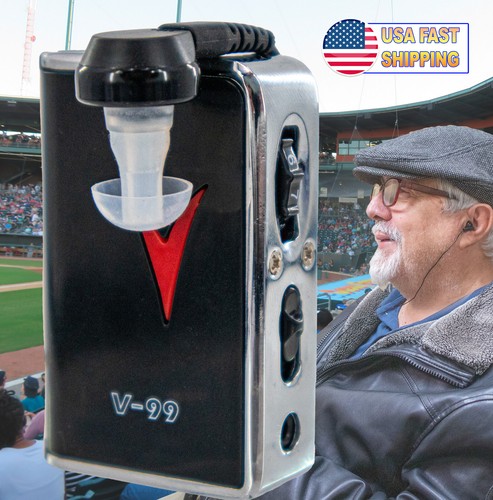
Personal sound amplifiers and hearing aids both make sounds easier to hear, but their technology, legal status, and performance in real-world settings are fundamentally different. Most buyers aren’t told that a simple amplifier can make the hum of aquarium filters or the whirr of an air pump just as loud as the voices you want to hear. Hearing aids, on the other hand, use programmable sound processing to selectively boost speech frequencies and minimize background noise—a crucial difference when your tank room is never truly silent.
It’s not just about hearing “more”—it’s about hearing “better.” For aquascapers who spend hours near bubbling filters, CO2 systems, and moving water, this distinction becomes painfully clear. Below, I’ll break down the technical and practical differences, so you don’t end up with a device that only amplifies your frustrations.
Direct Comparison: Sound Amplifier vs Hearing Aid (Specs That Matter)
| Category | Typical Frequency Range (Hz) | Background Noise Reduction | Custom Fitting | Battery Life (hours) | Price |
|---|---|---|---|---|---|
| Personal Sound Amplifier | 200–5000 | No (amplifies all sounds equally) | Generic (one-size-fits-most) | 40–80 | $ |
| Basic Hearing Aid | 250–6000 | Basic (fixed or low-level noise filtering) | Basic (limited adjustments) | 60–120 | $$ |
| Programmable Hearing Aid | 125–8000 | Advanced (adaptive, multi-band noise suppression) | Custom (audiologist-fitted, personalized) | 80–150 | $$$ |
What Most Buying Guides Get Wrong About Aquarium Room Acoustics
Most comparison articles ignore the impact of ambient tank noise—yet anyone with a planted setup knows that even “quiet” canister filters, wavemakers, and air stones create a constant low-frequency hum. Personal sound amplifiers, designed for birdwatching or TV, don’t distinguish between a friend’s voice and the drone of your filter. In practice, this means you’ll hear the gurgle of your CO2 reactor and every splash from your HOB filter just as clearly as conversation.
Hearing aids, especially programmable models, use digital signal processing to reduce persistent, non-speech noises. For example, a programmable hearing aid can recognize and suppress frequencies between 300–800 Hz—where many aquarium devices operate—while boosting the 1000–4000 Hz range critical for speech. This is a game-changer if your fishroom doubles as your living space or you host guests in the same area.
Another overlooked factor: the “occlusion effect.” Generic amplifiers often block the ear canal, making your own voice and tank room echoes sound unnatural or boomy. Properly fitted hearing aids address this with venting and tailored gain curves.
Beginner’s pre-purchase checklist
- List every source of background noise in your aquarium room—filters, pumps, bubbling, and cooling fans.
- Check your most common listening situations: solo aquascaping, group tank tours, or quiet late-night maintenance.
- Measure your ear canal size if possible—generic amplifiers may not fit snugly or comfortably for long sessions.
- Ask for the device’s frequency response curve (in Hz) to ensure it covers the speech range, not just “makes things louder.”
- Verify return and trial policies—amplifiers often have restocking fees or no returns if opened.
- Calculate how many hours you’ll use the device between charges or battery swaps, especially for long aquascaping sessions.
- Confirm compatibility with glasses or face masks commonly worn in your tank room.
When “Medical Device” Matters: Legal, Safety, and Warranty Differences
Personal sound amplifiers are classified as consumer electronics, not medical devices. They’re not regulated to the same standards as hearing aids, which must meet strict requirements for safety and performance according to agencies such as the FDA. This means amplifiers can legally be sold without proof of efficacy or quality, and warranty terms are often limited or vague.
Hearing aids, on the other hand, usually come with multi-year warranties and must pass quality checks. Some programmable models include service plans or remote support—important if you need adjustments for a noisy aquarium environment. Before investing, always ask about return windows, repair coverage, and local service options. This isn’t just about peace of mind; it’s about ensuring you can adapt your device as your tank setup evolves.
Compare optionsThe Spec Almost Nobody Talks About: Frequency Response and Speech Clarity
Most buyers focus on “amplification power” (measured in decibels), but the real secret to clarity—especially in a room full of burbling tanks—is frequency response. A device that covers the 1000–4000 Hz range with minimal distortion will let you catch every word during a club meeting or family tank tour. Personal amplifiers often roll off sharply above 4000 Hz, making voices sound muffled. Programmable hearing aids can be tuned to emphasize these critical frequencies while suppressing the low, rumbling background.
In practice, a programmable hearing aid set to emphasize 2000–3500 Hz can make the difference between hearing “filter” and “fritter”—a subtlety that matters in a room with multiple aquariums and constant equipment noise. Always ask for the actual frequency curve before you buy. Don’t settle for vague claims of “crystal clear sound.”
See today’s dealsRelated Guides
- LED vs Fluorescent Aquarium Lighting: Which Is Better for Your Tank?
- Our guide to Aquarium Gravel Vacuums for Easy Tank Cleaning
- Choosing the Right Gravel Vacuum Cleaner for Your Fish Tank
- Our guide to Glass vs Acrylic Aquariums: Which Is Better for Your Tank?
- Our guide to Aquascaping Tool Sets That Are Actually Worth Buying
- Sand vs Gravel Substrate: Which Is Best for Your Aquarium?
- Browse all Device Comparisons →
Battery Life and Real-World Usage in Aquarium Settings
Long aquascaping sessions can stretch well past two hours, especially during major rescapes or water changes. Battery life is a practical concern: most personal sound amplifiers last 40–80 hours on a fresh set of batteries, while hearing aids can range from 60 to 150 hours depending on processing features and volume settings. Rechargeable hearing aids are increasingly common, but check how long a full charge lasts—some provide only 16–24 hours of use, which may not cover a full weekend of tank work and socializing.
For aquascapers who wear gloves or have wet hands, consider ease of battery changes. Tiny batteries or fiddly charging ports can be frustrating. Some programmable hearing aids offer magnetic charging docks or color-coded battery doors for quick swaps—features that make a real difference in a busy fishroom.
View what’s availableFAQ: Real-World Concerns for Aquarists Choosing Hearing Gear
How long do typical batteries last in each device?
Personal sound amplifiers generally run 40–80 hours on standard coin or AAA batteries, while hearing aids—especially programmable ones—can last 60–150 hours. Rechargeable hearing aids may require daily charging, so check the official specs.
Personal sound amplifier vs hearing aid—which is better for a noisy aquarium room?
For most aquarists, a programmable hearing aid performs far better in noisy environments. The advanced noise reduction can suppress filter and pump sounds, while amplifiers boost all noise equally. If your tank room is quiet, a basic amplifier may suffice, but few planted tank setups are truly silent.
Can I return or exchange these devices if they don’t fit or work as expected?
Return policies vary widely. Hearing aids from licensed providers usually offer 30–60 day trial windows; personal amplifiers often have stricter or no returns if packaging is opened. Always ask about restocking fees and warranty terms before purchasing.
Will either device interfere with my glasses, face shield, or mask?
Behind-the-ear styles (common in hearing aids) can get tangled with glasses or mask straps, especially in a humid tank room. In-ear models avoid this issue but may not fit all ear canals comfortably. Try before you buy if possible, or choose a model designed for accessory compatibility.
How much can I expect to pay for a programmable hearing aid versus a personal amplifier?
Personal sound amplifiers are usually budget-friendly ($), while programmable hearing aids fall into the premium ($$$) category. The extra investment reflects advanced features, longer warranty, and custom fitting—important if you need precise sound control in a noisy aquarium space.
What’s the most common failure mode for these devices in a humid environment?
Moisture is the main enemy. Both amplifiers and hearing aids can suffer from condensation, especially during water changes or if worn near open tanks. Look for models rated for moisture resistance, and use drying kits or storage cases to extend lifespan. Regular cleaning is essential for reliability.
Where to Find Reliable, Up-to-Date Advice
Cutting through marketing claims is easier when you consult reputable sources. For unbiased information on hearing device standards and regulations, the National Institute on Deafness and Other Communication Disorders offers clear, science-backed guidance. For tips on managing device care in high-humidity environments, check out sections on consumer electronics care from established trade publications.
Choosing between a personal sound amplifier and a hearing aid isn’t just about hearing “more”—it’s about hearing “better” in the environment where you spend your time. For aquarists, that means investing in gear that lets you enjoy your tanks without turning every filter bubble into background noise. Do your homework, ask for real specs, and don’t be afraid to invest in the right tool for your needs.
Last updated: May 2026 · About our research