8 min read
Disclosure: As an Amazon Associate and eBay Partner Network publisher, we earn from qualifying purchases. This doesn’t affect what we recommend or how we describe it.
Standing in a store aisle or scrolling through fitness equipment online, you spot two radically different tools promising better balance, stronger muscles, and a more engaging home workout: the vibration plate and the balance board. Both claim to boost stability and core strength—but the experience, effects, and even the science behind them are not at all the same. This guide breaks down not just what each does, but what actually changes for your body, your routine, and your results when you choose one over the other.
What Sets Vibration Plates and Balance Boards Apart?
At first glance, vibration plates and balance boards seem to target similar goals—improving balance, core strength, and functional stability. But the way they get you there is fundamentally different. A vibration plate uses rapid, controlled oscillations (typically 15-50 Hz) to stimulate your muscles through reflexive contractions. Most models offer amplitude ranges between 1.5-10 mm, which determines how much the plate moves. You stand, squat, or do exercises on the platform while it vibrates, and your muscles respond automatically to the instability.
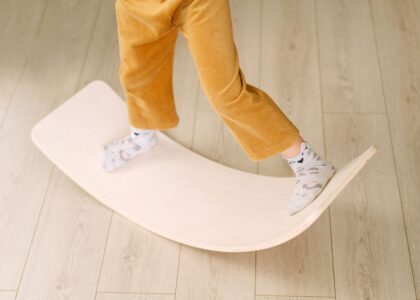
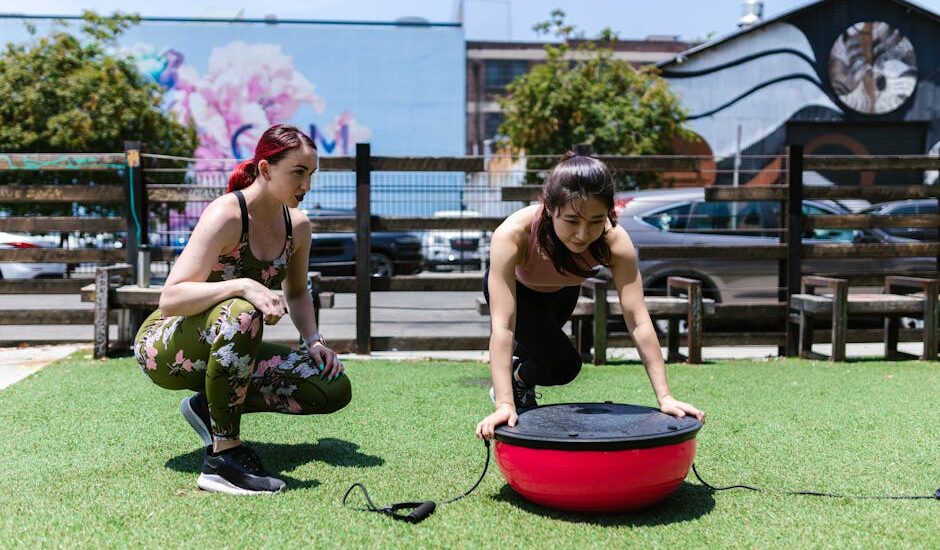
Balance boards, by contrast, are passive devices: a flat platform atop a rounded base (roller, wobble, or rocker). There’s no motor, no vibration. You generate all the instability yourself. The board tilts as you shift your weight, forcing your body to actively stabilize in real time. Unlike a vibration plate, which creates thousands of involuntary muscle contractions per minute, a balance board demands conscious, continuous control.
Real-World Effects: What Changes in Your Workout?
The choice between these two tools isn’t just about tech or price—it’s about what you want your workout to feel like, and what you want your body to adapt to. Here’s how each option changes the experience:
- Intensity and engagement: Vibration plates can ramp up muscle activation even during simple movements. You may feel your legs, glutes, and core working harder than on solid ground, even just standing. Balance boards, on the other hand, make you focus on posture and micro-adjustments, building coordination as much as strength.
- Learning curve: Most beginners can use a vibration plate with minimal instruction. Balance boards often require several sessions to master basic standing and squatting without tipping off.
- Adaptability: Vibration plates can be used by people with limited mobility (e.g., standing or seated), while balance boards are generally for those who can safely bear weight and maintain upright posture.
- Noise and space: Vibration plates are powered (and can be loud—some models reach 60-70 dB), while balance boards are silent and take up very little room.
For those deciding between the two, these functional differences matter more than marketing claims.
How the Options Compare: Vibration Plates vs Balance Boards
| Category | How Instability is Created | Typical Frequency/Range | Size & Storage | Noise Level | Price |
|---|---|---|---|---|---|
| Full-size Vibration Plate | Oscillating motor (auto instability) | 15-50 Hz, 1.5–10 mm amplitude | 70–80 cm wide, 15–25 kg | 60–70 dB | $$$ |
| Compact Vibration Plate | Oscillating motor (auto instability) | 15-40 Hz, 1.5–6 mm amplitude | 40–55 cm wide, 7–12 kg | 55–65 dB | $$ |
| Basic Wobble Board | User shifts weight (manual instability) | — | 35–45 cm diameter, 1–2.5 kg | Silent | $ |
| Roller Balance Board | User shifts weight (manual instability) | — | 75–90 cm long, 2–4 kg | Silent | $$ |
| Multi-directional Balance Trainer | User shifts weight (manual instability) | — | 40–55 cm diameter, 2–4 kg | Silent | $$ |
Note on pricing: the $ symbols are relative tiers within this comparison — $ is the cheapest of the bunch, $$$ the priciest. Live listings (and exact prices) appear further on.
Clinical Context: What the Research Really Says
Vibration plates have been studied for their effects on muscle activation, bone density, and even neuromuscular coordination. Research shows that using a plate at 30 Hz and 2–4 mm amplitude can significantly increase lower-body muscle activity compared to static standing. Some studies suggest benefits for older adults in improving balance and reducing fall risk, though results are mixed and often depend on frequency, amplitude, and session duration. Clinical guidelines generally recommend caution for people with pacemakers, joint replacements, or certain cardiovascular conditions due to the mechanical stress from whole-body vibration.
Balance boards, meanwhile, are a staple in physical therapy for ankle sprain rehab, fall prevention, and sports training. Unlike vibration plates, their main benefit comes from challenging proprioception—the body’s sense of position. Regular use (even as little as 10-15 minutes a day) has been linked to better joint stability and reduced injury rates in athletes. For most healthy adults, balance boards are safe, but those with significant vertigo or severe balance impairments should consult a professional before use.
For a deeper dive into current research on these modalities, see the National Library of Medicine.
Who Gets More Out of Each Tool?
Your goals and limitations should drive the decision. Here’s how the tools break down for different user types:
- Vibration plates: Useful for those seeking increased muscle activation with minimal movement (e.g., during injury recovery, or for people with mobility restrictions). Also popular for those who want a low-impact way to add intensity to bodyweight exercises.
- Balance boards: Best for users looking to improve coordination, ankle stability, and core control—especially helpful for athletes, skiers, or anyone recovering from lower limb injuries. They require more active participation and control, making them less suitable for users with significant balance issues or certain neurological conditions.
If you want to see which options fit your needs, view options for both categories.
Setup, Use, and Maintenance: What to Expect
Vibration plates require a flat, stable surface and access to power. Larger models can weigh up to 25 kg—moving them regularly isn’t practical. Most units need occasional cleaning to remove sweat and dust, and you’ll want to check the user weight limit (typically 120–150 kg). Noise is a real consideration, especially in apartments.
Balance boards are simple: no power, no setup, just place and use. They’re easy to store (many fit under a bed or in a closet) and maintenance is limited to occasional surface cleaning. The main risk is slipping—using a mat or placing the board on carpet can help.
For those tight on space or worried about noise, balance boards win hands down. For users needing more support or looking for a more “hands-off” way to stimulate muscles, vibration plates may be preferable. Check current prices to compare compact models in both categories.
Related Guides
- Vibration Plate vs Balance Board: Which Is Better for Your Workout?
- Vibration Therapy vs Percussion Therapy: Which Is Right for You?
- How to Clean an Orthopedic Pillow: A Step-by-Step Guide
- Sleep Apnea Mouthpieces That Actually Work
- How to Boost Foot Circulation: Tips for Better Blood Flow
- Choosing the Right Electronic Medication Dispenser for Home Use
Common mistakes to avoid
- Assuming vibration plates and balance boards train the same skills—each targets very different neuromuscular pathways, so results aren’t interchangeable.
- Ignoring weight and size: Many vibration plates are bulky and heavy, making them difficult to move or store in small spaces.
- Overestimating progress speed: Balance boards have a real learning curve; expecting instant proficiency leads to frustration or even injury.
- Choosing amplitude or frequency settings on a vibration plate without understanding their impact—too high a setting can increase risk for certain users, while too low may offer little benefit.
- Skipping safety checks: Using balance boards on slick floors or without shoes can increase the risk of slips and falls.
FAQ: Vibration Plate vs Balance Board
Which is better for improving balance—vibration plate or balance board?
Balance boards provide more direct and functional balance training because you have to actively stabilize yourself with every movement. Vibration plates can improve neuromuscular coordination, but they don’t require the same real-time adjustments. For pure balance, boards generally outperform plates.
How much time should you spend on each device?
Most balance board routines start at 5–10 minutes per session, building up as your skill improves. Vibration plate sessions are typically shorter—5 to 15 minutes per use, 2–3 times per week, depending on the model and intensity. Always follow manufacturer guidance and start conservatively, especially if you’re new to either tool.
Can vibration plates help with muscle soreness or recovery?
Some research suggests that vibration therapy at 20–40 Hz can help reduce delayed onset muscle soreness and improve circulation. However, results vary and not all users experience noticeable benefits. These effects are generally mild compared to active recovery methods.
Are balance boards safe for seniors?
Balance boards are used in many fall prevention programs, but only for those who can safely stand and shift weight without assistance. Seniors with significant balance issues or a history of falls should consult a healthcare provider before starting, and may benefit from using a support (like a chair back) during early sessions.
Which device is quieter?
Balance boards are completely silent, while vibration plates produce noticeable noise—compact models may reach 55–65 dB, while full-size units can exceed 70 dB. If you need a silent workout (for shared spaces or noise-sensitive environments), balance boards are the clear winner.
What if something breaks—are these devices easy to repair or return?
Vibration plates have motors and electronic components that may fail over time; warranties vary by manufacturer, but repairs can be costly outside the warranty period. Balance boards are simpler, with few parts that can break. Always check return policies and warranty coverage before buying, especially for motorized equipment.
Is it safe to use a vibration plate daily?
Most users can use a vibration plate several times a week, but daily use at high settings is not universally recommended—especially for those with joint, cardiovascular, or neurological conditions. Always follow the device’s guidelines and consult a professional if you have health concerns.
Bottom Line: Who Should Pick Which?
If your priority is boosting balance, coordination, and joint stability with minimal gear and zero noise, a balance board is the more effective and versatile choice. For those who want to add muscle activation or intensity to basic movements—especially if mobility is limited—a vibration plate offers unique benefits, but comes with higher cost, noise, and space requirements. Weigh your goals, space, and comfort with each approach before you buy. For most healthy adults, starting with a balance board delivers the most functional value per dollar. Curious about options? See what’s available now.


Last updated: July 2026 · Editorial standards