9 min read
Disclosure: As an Amazon Associate and eBay Partner Network publisher, we earn from qualifying purchases. This doesn’t affect what we recommend or how we describe it.
Muscle recovery, pain relief, and athletic warm-up routines now routinely feature handheld devices that promise fast results — but not all “massage guns” and vibration tools work the same way. The real distinction comes down to how the device delivers mechanical stimulation: vibration therapy uses high-frequency, low-amplitude oscillations, while percussion therapy relies on deeper, punchier strokes. For athletes chasing performance, desk workers with chronic stiffness, or anyone managing sore muscles after a workout, picking between these two approaches isn’t just about gadget preference. It’s about matching the method to your body’s needs, pain tolerance, and recovery goals. Here’s what actually sets vibration therapy and percussion therapy apart — and how to know which one is worth your money.
Spot the difference between vibration and percussion therapy
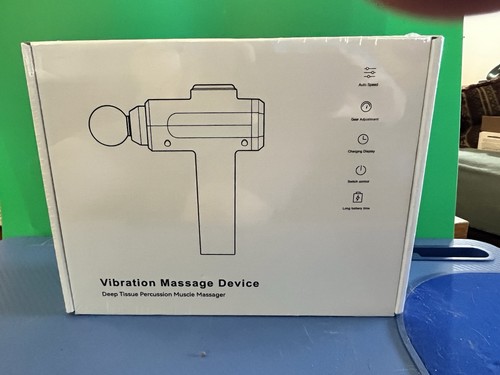
At first glance, both vibration and percussion therapy devices look similar: handheld, often gun-shaped, with swappable heads. But the underlying mechanics and the sensation they produce are fundamentally different.
- Vibration therapy delivers rapid, shallow oscillations — typically 1–2 mm amplitude, at frequencies of 30–60 Hz (that’s 1,800–3,600 pulses per minute). The motion is smooth and surface-level, designed to stimulate skin, fascia, and superficial muscle tissue.
- Percussion therapy uses a piston-like mechanism to drive the head in and out — with a much greater amplitude (10–16 mm is typical) and usually at slower frequencies (20–40 Hz, or 1,200–2,400 percussions per minute). This penetrates deeper muscle layers, producing a more forceful, targeted impact.
The upshot: vibration therapy feels like a gentle buzz or hum, while percussion therapy delivers a series of rapid, thumping pulses — often described as “mini punches” to the muscle. Your preference may depend as much on pain sensitivity as on your recovery needs.
How the options compare: vibration vs percussion therapy
| Approach | Amplitude (mm) | Frequency (Hz) | Noise Level (dB) | Best For | Price |
|---|---|---|---|---|---|
| The simplest, easiest-to-use option | 1–2 | 30–60 | 40–55 | Sensitive users, relaxation, surface tightness | $ |
| The best pick for beginners | 10–12 | 20–35 | 55–65 | General muscle soreness, warm-ups | $$ |
| The most feature-rich choice | 14–16 | 26–40 | 65–75 | Deep knots, athletes, high tolerance | $$$ |
| The best hybrid for mixed households | 8–12 | 30–50 | 50–65 | Mixed uses, shared households | $$ |
Note on pricing: the $ symbols are relative tiers within this comparison — $ is the cheapest of the bunch, $$$ the priciest. Live listings (and exact prices) appear further on.
Related Guides
- Our guide to Vibration Therapy vs Percussion Therapy: What’s the Difference?
- How Do Red Light Therapy Devices Work? The Science Explained
- Laser Therapy Devices That Actually Work: A Buyer’s Guide
- Percussion Massagers That Are Worth Your Money
- Red Light Therapy Panels for Home Use: What to Know Before You Buy
- Vibration Plate vs Balance Board: Which Is Better for Fitness?
Choose the right therapy for your recovery goals
To make sense of these options, it’s worth thinking through your needs:
- Are you seeking gentle, relaxing relief? Vibration therapy is often favored by people with low pain tolerance, older adults, or those prone to bruising. The shallow amplitude means less risk of aggravating sore or inflamed tissue.
- Do you want to break up deep knots or prep for intense activity? Percussion therapy’s punchier action can reach muscle layers that vibration simply can’t touch. Athletes use it for pre-workout warm-up, post-workout recovery, or stubborn trigger points.
- Do you share the device with family or housemates? Hybrid models with adjustable amplitude and frequency make sense for mixed-use households, as they let you dial in the intensity for each user.
Remember, amplitude (how far the head travels) matters more for deep-tissue effects than frequency (how many times per second it moves). Most people looking for true “massage gun” performance will want at least 10 mm amplitude — anything less is likely just vibration therapy in disguise.
What clinical research says about effectiveness
Vibration and percussion therapy both have evidence supporting their use for muscle soreness, flexibility, and blood flow — but the nuance comes in the details.
- Delayed-onset muscle soreness (DOMS): Several studies show that both vibration and percussion reduce DOMS after exercise. However, percussion therapy with amplitudes above 10 mm appears more effective for reducing pain and restoring range of motion in the days after intense activity.
- Flexibility and warm-up: Vibration therapy can acutely increase flexibility, especially when applied at 30–50 Hz for 30–60 seconds per muscle group. Percussion therapy also improves flexibility, but may be less comfortable for sensitive users.
- Circulation and relaxation: Both approaches increase local blood flow, but vibration therapy is often preferred for relaxation or for people with lower pain thresholds.
One caveat: neither approach is a substitute for proper medical care if you have underlying injury or significant pain. For a clinical overview of the science, see the PhysioPedia portal on vibration therapy.
Common mistakes: what specs actually matter (and what doesn’t)
The fitness tech market is full of claims about “deep tissue” and “ultra-quiet” devices. Here’s what to actually pay attention to when comparing vibration and percussion tools:
- Amplitude: For percussion therapy, look for at least 10 mm. Anything less is mostly superficial and won’t deliver the “punch” needed for deeper muscle relief.
- Frequency: Vibration therapy is most effective between 30–60 Hz. Percussion therapy works well in the 20–40 Hz range, but higher amplitude is more important than higher frequency.
- Noise level: True percussion devices are louder (55–75 dB) than vibration tools (usually 40–55 dB). If you need something quiet for shared spaces, vibration therapy is less intrusive.
- Battery life: Most vibration tools last 4–8 hours per charge; percussion devices vary more (2–5 hours is typical for high-amplitude models). Check for removable batteries if you need long sessions or travel use.
- Head attachments: Don’t get distracted by the number of heads — 3–5 well-shaped attachments cover most needs. Shape and firmness matter more than quantity.
Ignore vague claims like “deep tissue” unless the amplitude is clearly specified. If a manufacturer won’t disclose amplitude and frequency, assume it’s a basic vibration tool, not true percussion.
Real-world use: who gets the most from each approach?
Based on manufacturer specifications and user reports, certain patterns emerge:
- Vibration therapy devices are popular among people with fibromyalgia, arthritis, or general muscle sensitivity. The light touch reduces the risk of bruising or overstimulation. They’re also a favorite for office workers who want quiet, discreet relief during the day.
- Percussion therapy tools are favored by runners, cyclists, weightlifters, and sports therapists. The deeper action is better for breaking up adhesions and prepping muscles for exertion. However, those with low pain tolerance may find them too aggressive, especially on bony areas.
- Hybrid models provide flexibility for households with mixed needs, but rarely match the deep-tissue power of a dedicated percussion gun.
If you’re unsure, try both types in-store or at a gym before buying. Sensory preference often trumps theoretical “effectiveness.”
Total cost of ownership
The sticker price isn’t the whole story for either therapy type. Here’s what to budget for over a year of regular use:
- Replacement heads: Expect to replace foam or rubber attachments every 6–12 months ($10–$30/year), especially if used daily or shared among multiple people.
- Battery replacement: Built-in batteries in percussion devices typically last 1–3 years; replacement can cost $30–$60 (or require full device replacement if not user-serviceable).
- Cleaning and maintenance: Plan for cleaning wipes or sprays ($5–$15/year) to prevent buildup of sweat and skin oils, which can degrade attachments and harbor bacteria.
- Travel/storage case: Not always included; a sturdy case for transport and storage runs $15–$40, which protects your investment and extends device life.
- Energy cost: Negligible for most users (a few dollars per year), but worth noting if you use high-power percussion devices daily.
Factor these into your budget, especially if you’re comparing “budget” vibration tools to premium percussion devices. Sometimes the upfront savings disappear after a year of real-world use.
FAQ: Vibration therapy vs percussion therapy — what buyers actually ask
Which therapy is better for chronic muscle pain?
Percussion therapy generally penetrates deeper, making it more effective for chronic knots or dense muscle tissue. However, vibration therapy is often better tolerated by those with chronic pain conditions or sensitivity, as it’s gentler and less likely to cause discomfort.
How loud are these devices in real-world use?
Vibration therapy tools tend to run at 40–55 dB, similar to a quiet office. Percussion devices are louder — 55–75 dB, which is noticeable in shared spaces and may be disruptive if used in a quiet home or at night.
How long should you use each device per session?
For both vibration and percussion therapy, most manufacturers recommend 1–2 minutes per muscle group, with total sessions lasting 10–15 minutes. Exceeding this can cause irritation or bruising, especially with high-amplitude percussion models.
Vibration therapy vs percussion therapy — which is safer for people with medical conditions?
Vibration therapy is generally considered safer for people with circulatory issues, joint sensitivity, or certain chronic conditions. Percussion therapy’s deeper force may aggravate injuries or medical implants, so it’s wise to check with a healthcare provider before use.
Do you need to replace attachments, and how often?
Yes, attachment heads wear out over time, especially soft foam and rubber types. Plan to replace them every 6–12 months if you use the device regularly, or sooner if you notice visible wear or loss of cushioning.
What’s the typical warranty for these devices?
Most vibration and percussion therapy tools offer 1–2 year warranties covering manufacturing defects. Extended warranties are sometimes available for an extra fee, but accidental damage or wear-and-tear on attachments is usually excluded.
Is there a risk of overusing these devices?
Overuse can lead to skin irritation, bruising, or muscle soreness, particularly with high-amplitude percussion devices. It’s important to follow the manufacturer’s guidelines for session length and not to use these tools on injured or inflamed areas without professional guidance.
Can children or older adults use these devices?
Vibration therapy devices are generally safer for children and older adults due to their gentler action and lower amplitude. However, supervision is recommended, and settings should be kept on the lowest intensity to avoid discomfort or injury.
Should you invest in vibration or percussion therapy?
For gentle, surface-level relief, vibration therapy devices are hard to beat on comfort and price. If you demand deep muscle penetration and faster recovery, percussion therapy is the clear winner — but you’ll pay more, tolerate more noise, and need to be comfortable with a punchier feel. Hybrid models bridge the gap if you share your device or want flexibility, but rarely excel at either extreme. Weigh your pain tolerance, noise sensitivity, and recovery needs before choosing — and don’t be swayed by marketing hype that glosses over amplitude or frequency. For most buyers, the right pick is the one you’ll actually use consistently — and whose sensation you genuinely enjoy.
Ready to compare options? Check current prices for the latest vibration and percussion therapy devices, or view options with adjustable amplitudes for mixed-use households. Not sure which fits your needs? See what’s available and filter by amplitude, frequency, and noise level before you buy.
Related Guides
- Our guide to Vibration Therapy vs Percussion Therapy: What’s the Difference?
- How Do Red Light Therapy Devices Work? The Science Explained
- Laser Therapy Devices That Actually Work: A Buyer’s Guide
- Percussion Massagers That Are Worth Your Money
- Red Light Therapy Panels for Home Use: What to Know Before You Buy
- Vibration Plate vs Balance Board: Which Is Better for Fitness?
Last updated: June 2026 · About our research