9 min read
Disclosure: As an Amazon Associate and eBay Partner Network publisher, we earn from qualifying purchases. This doesn’t affect what we recommend or how we describe it.
The best dental irrigators are the ones that deliver adjustable pressure (50–100 psi), a reservoir large enough for a full cleaning (400–600 ml), and a nozzle design that actually fits your mouth and dental work. Most guides gloss over these specifics, but they make the difference between a tool you’ll use daily and one that ends up gathering dust. This article breaks down what actually matters for real users, how different types compare, and the common pitfalls that waste money or leave your teeth no cleaner than before.
Why pressure range is the single biggest deal-breaker
Dental irrigators (sometimes called water flossers or oral irrigators) use a pressurized stream of water to remove food particles and plaque from between teeth and below the gumline. The pressure is measured in pounds per square inch (psi), and this is not just a marketing spec — it directly affects cleaning power and comfort. Most people need at least 50 psi to dislodge debris, but sensitive gums may bleed at settings above 80 psi. The best options let you adjust in small increments, so you can fine-tune for your own mouth, orthodontics, or implants. Fixed-pressure models (especially travel or cordless types) often compromise here, so check for a range of at least three settings (e.g. 50, 70, and 100 psi) before you buy.
Capacity, size, and where people actually use these things
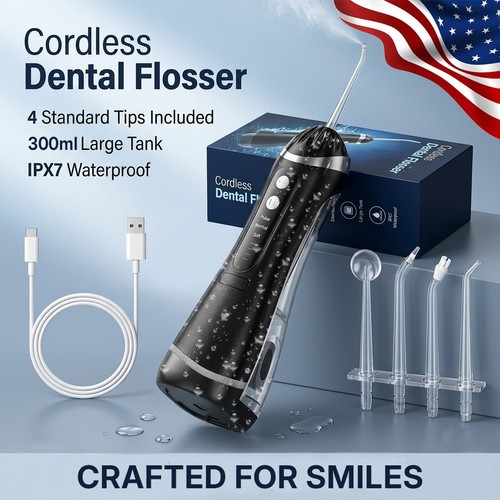
Countertop irrigators often hold 400–600 ml of water, enough for a full-mouth clean without refilling. Cordless and travel models usually drop to 150–300 ml, which means you’ll need to refill at least once for thorough cleaning. This isn’t just a convenience issue — if you have braces, bridges, or tight dental work, you’ll need the extra water to keep going. But countertop units take up real estate and require an outlet, so think honestly about your bathroom setup. If you’re short on space or travel often, a compact unit with a folding nozzle and at least 150 ml capacity is worth considering, but expect to compromise on pressure or runtime.
Nozzle design: overlooked, but critical for real-world use
Most dental irrigators come with a handful of interchangeable nozzles: classic tips, orthodontic tips (with a brush), and sometimes periodontal tips for cleaning below the gumline. The angle and length of the nozzle determine whether you can reach your back molars or clean around braces without making a mess. Fixed nozzles are fine for straightforward cleaning, but a rotating or pivoting tip (often 360°) lets you clean at odd angles without contorting your wrist. This is a major quality-of-life improvement, especially if you have dental work or limited dexterity. Don’t overlook nozzle replacement frequency, either — most should be swapped every 3–6 months, and not all brands support easy reordering.
Related Guides
How the main dental irrigator types compare
| Type | Pressure Range (psi) | Reservoir Capacity (ml) | Nozzle Adjustability | Portability | Price |
|---|---|---|---|---|---|
| Countertop full-size | 50–100 | 400–600 | Rotating, 3–5 tip types | Stationary | $$$ |
| Cordless rechargeable | 40–80 | 150–300 | Fixed or basic swivel | High | $$ |
| Travel/folding | 30–70 | 100–200 | Fixed, 1–2 tip types | Very high | $ |
| Faucet-attached | Variable (depends on water pressure) | Unlimited (uses tap) | Basic, 1–2 tips | Semi-portable | $ |
| Shower-integrated | Variable (depends on water pressure) | Unlimited (uses shower) | Fixed, 1 tip | Stationary | $ |
About the $ symbols: they’re a quick budget/mid/premium read of where each option sits relative to the others in this comparison. See current prices in the live listings below.
What most buying guides miss about daily usability
The specs only tell half the story. In practice, several factors separate a dental irrigator that actually improves your oral hygiene from one that ends up unused:
- Noise level: Full-size countertop models can hit 65–80 dB — similar to a vacuum cleaner. That’s disruptive if you share a bathroom or brush early in the morning.
- Cleaning time: Higher capacity means fewer refills, but also encourages you to spend the full 60–90 seconds dentists recommend. Tiny tanks make you rush or refill, which means you’re less likely to stick to the habit.
- Battery life: Cordless units usually last 7–14 days per charge, but some drop to 3–5 days, especially at higher pressure settings. If you travel, look for USB charging and a true runtime claim (not just “long-lasting battery”).
- Tip storage and hygiene: The best designs have a covered compartment for tips to prevent bathroom germs. Open storage or tips left on the counter can harbor bacteria, defeating the purpose of a cleaning device.
- Ease of refilling and cleaning: Wide-mouth reservoirs are much easier to fill and scrub. Narrow tanks can develop mold or build-up, especially if you use mouthwash or warm water.
For most people, countertop models win on cleaning power and comfort, but cordless options are far easier to use daily if space or power outlets are an issue. Faucet and shower-attached versions are cheap and never run out of water, but they’re fiddlier to install and lack pressure controls. See what’s available if you want to compare current deals on each type.
Who benefits (and who doesn’t) from using a dental irrigator
Dental irrigators are especially useful if you have braces, implants, bridges, or tight dental work that traps food. They’re also effective for people with gum inflammation or dexterity issues that make string flossing difficult. But they’re not a total floss replacement for everyone: clinical studies, including systematic reviews from Cochrane, show that water flossers reduce gum bleeding and inflammation, but don’t always remove plaque as thoroughly as traditional floss in healthy mouths. If you have active gum disease or complex dental needs, check with your dental professional before making the switch.
Specifications that actually matter
Pressure range (psi)
This is the most critical spec for cleaning effectiveness. Look for models offering 50–100 psi, with at least three distinct pressure settings. Lower settings (30–50 psi) are gentler for sensitive gums; higher settings (70–100 psi) tackle stubborn debris. Models with only a single setting often disappoint.
Reservoir capacity (ml)
Full-mouth cleaning typically requires 400–600 ml. Cordless models with less than 150 ml will force you to refill mid-session, which interrupts use and reduces compliance. For travel, 150–200 ml is a practical minimum, but expect to refill at least once per use.
Nozzle rotation/pivot
A rotating or pivoting nozzle (ideally 360°) lets you reach the back teeth and awkward angles, especially if you have orthodontic appliances. Fixed nozzles are harder to maneuver and may leave areas uncleaned. If you have braces, prioritize models with orthodontic tips and full rotation.
Noise level (dB)
Countertop models can reach 65–80 decibels, which is loud enough to wake a light sleeper. If you share a bathroom or have kids, look for units rated under 70 dB. Cordless models are usually quieter but may sacrifice pressure.
Battery life (cordless models)
A true 7–14 days of daily use per charge is the minimum for hassle-free travel or busy routines. Some budget models exaggerate battery claims; check for real-world reports or look for USB-C charging for easier top-ups.
Compare today’s deals on dental irrigators with top-rated specs.FAQ: Real-world questions about dental irrigators
How often should you replace the nozzle on a dental irrigator?
Most manufacturers recommend replacing the nozzle every 3–6 months, similar to a toothbrush head. Frequent replacement helps prevent bacterial buildup and ensures the water jet maintains its cleaning power. If you notice the spray weakening or the tip discolored, swap it sooner.
Can a dental irrigator replace regular flossing?
For many people, dental irrigators can supplement but not fully replace traditional floss, especially for plaque removal between tight teeth. Studies show irrigators are excellent for reducing gum bleeding and inflammation, but string floss may still be better for scraping off plaque in healthy mouths. If you have braces or limited dexterity, a dental irrigator is often the more practical option.
What’s the difference between countertop and cordless irrigators?
Countertop irrigators plug into a wall outlet, offer higher pressure (up to 100 psi), and have larger reservoirs (400–600 ml) for longer cleaning sessions. Cordless models are battery-powered, more portable, and usually have smaller tanks (150–300 ml) and slightly lower pressure. Choose based on your available space and cleaning needs.
How long does a full tank last during use?
A standard 400–600 ml reservoir on a countertop model typically lasts 60–90 seconds of continuous use — enough for a thorough full-mouth clean. Smaller cordless tanks (150–200 ml) last about 30–45 seconds, so you may need to refill once per session for complete coverage.
Is it safe to use a dental irrigator with implants or braces?
Yes, dental irrigators are generally safe for use with implants, braces, and bridges. In fact, they’re often recommended for these situations because they clean around hardware that floss can’t reach. Always use the appropriate tip (such as an orthodontic or implant tip) and start with a lower pressure setting to avoid irritation.
Faucet-attached vs. rechargeable — which is better for travel?
Rechargeable cordless irrigators are better for travel because they don’t require installation and work anywhere with a power outlet. Faucet-attached models are inexpensive and never need charging, but they’re bulkier and depend on compatible tap fittings. For true portability, cordless wins, but expect to refill the tank more often.
What if my irrigator stops working — are repairs or returns easy?
Most reputable manufacturers offer 1–2 year warranties covering defects. However, repairs are rarely economical; replacement is the norm. Before buying, check if replacement parts (like nozzles and reservoirs) are readily available, and review the return policy for hassle-free exchanges if you get a dud.
Check current prices on dental irrigators with easy warranty and replacement support.The bottom line: Which dental irrigator is right for you?
If you want maximum cleaning power and don’t mind the counter space, a full-size countertop irrigator with adjustable pressure and a large reservoir is the gold standard. If portability or space is your top concern, a cordless model with at least 150 ml capacity and a true multi-pressure setting is the practical pick — just expect to refill more often. Don’t get distracted by flashy features or marketing claims; focus on pressure range, reservoir size, and nozzle design. These are what make the difference between a daily-use tool and a bathroom gadget you regret buying.


Last updated: June 2026 · About our research