9 min read
Disclosure: As an Amazon Associate and eBay Partner Network publisher, we earn from qualifying purchases. This doesn’t affect what we recommend or how we describe it.
Standing in front of your bathroom mirror, you’re weighing two tools: a water flosser with its pulsing jet, and a classic dental pick. You want to clean between your teeth, but which option actually makes a difference for your gum health, convenience, and long-term dental costs? This guide breaks down the real distinctions—based on clinical evidence, technical specs, and day-to-day usability—so you can choose the tool that fits your mouth, your habits, and your budget.
What Actually Happens When You Use a Water Flosser or a Dental Pick?
Both water flossers and dental picks target the same goal: removing food debris and plaque from between your teeth and along the gumline. But the way they work—and what they’re best at—differs sharply.
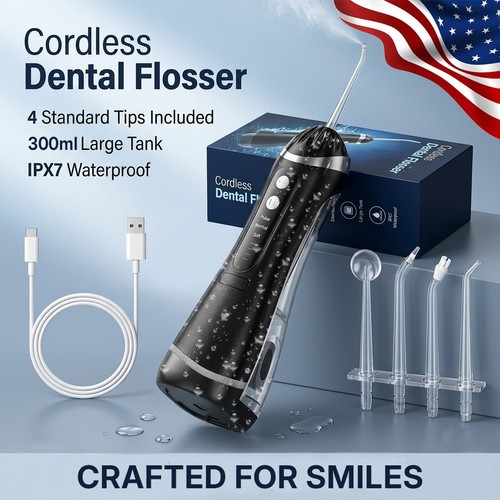
- Water flossers (sometimes called oral irrigators) use a motor to pump water through a narrow tip at high speed (typically 50-100 psi), creating a jet that dislodges particles and disrupts soft plaque. Most models pulse water at 1,200-1,600 cycles per minute. You guide the tip along the gumline, aiming between teeth.
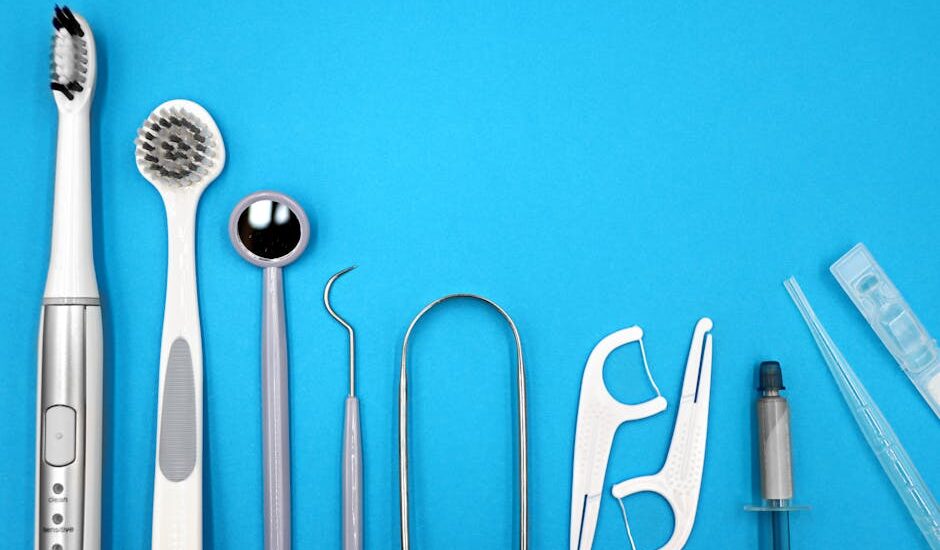
- Dental picks are manual tools—either soft silicone or harder plastic—that you physically insert between teeth. Some are shaped for gentle scraping; others are designed to flex and slide. They rely entirely on your hand pressure and technique.
Clinical studies have shown that water flossers can reduce bleeding and gingivitis at rates comparable to, or slightly better than, traditional string floss. Dental picks are most effective for removing larger debris and can be helpful for people with wider gaps or dental work (like bridges), but their efficacy depends heavily on your dexterity and consistency.
How the Options Compare: Specs, Effort, and Everyday Fit
| Tool Type | How It Cleans | Pressure/Force | Daily Effort | Maintenance | Price |
|---|---|---|---|---|---|
| Countertop Water Flosser | Pulsed water jet | 50-100 psi | 2-3 min | Reservoir, tip cleaning | $$$ |
| Cordless Water Flosser | Pulsed water jet | 40-80 psi | 2-3 min | Battery, tip cleaning | $$ |
| Soft Silicone Dental Pick | Manual scraping/flex | Hand pressure only | 3-5 min | Disposable or rinse | $ |
| Plastic Dental Pick | Manual scraping | Hand pressure only | 3-5 min | Disposable or wash | $ |
| Metal Dental Pick (Home Use) | Manual scraping | Hand pressure only | 5+ min, skill needed | Sanitise after use | $ |
Pricing key: $ marks the budget tier, $$ the mid-range, $$$ the premium picks. Tiers are relative to the products in this comparison; actual prices update live below.
Related Guides
- Water Flosser vs Dental Pick: Which Cleans Better?
- Our guide to Dental Irrigators That Are Actually Worth Buying
- Our guide to UV Cleaning Water Bottles That Actually Work: Our Top Recommendations
- How to Clean a Dental Mouth Mirror: Step-by-Step Guide
- How to Safely Sterilize Dental Equipment at Home: A Practical Guide
Where Each Tool Excels—and Where They Fall Short
Water flossers shine in situations where string floss or picks struggle: cleaning around braces, bridges, or crowded teeth. The pulsed stream can reach into small crevices without forcing anything between teeth. If you have sensitive gums or dexterity issues, the adjustable pressure (as low as 40 psi on some cordless models) can make daily cleaning less painful and more consistent. Most people report the process is quicker—two to three minutes for an entire mouth, compared to up to five minutes with manual picks if you’re thorough.
Dental picks—especially soft silicone types—are cheap, portable, and don’t require batteries, water, or countertop space. They’re a good fit for travel, quick post-meal cleanups, or for people with wider gaps between teeth. However, their effectiveness depends on your hand skill. If you use too much force with a hard plastic or metal pick, you risk damaging gums or enamel. Metal picks especially should be used with caution; dental hygienists train for years to use them safely.
One important clinical note: No at-home tool will remove hard tartar (calculus). Only professional cleaning can do that. But daily use of either tool can help prevent tartar from forming in the first place.
What the Research Says About Gum Health and Plaque Removal
Several peer-reviewed studies have compared water flossers and manual interdental tools. A 2019 systematic review in the Journal of Clinical Periodontology found water flossers reduced bleeding on probing by up to 50% more than string floss over a four-week period. The effect on plaque removal was similar, with water flossers often outperforming picks and string in hard-to-reach areas, especially for people with orthodontic appliances or implants.
Manual dental picks can be effective for cleaning larger gaps and for those with bridgework, but they’re less effective for tight contacts. Overly aggressive scraping, especially with metal tools, can lead to gum recession or enamel scratches if not used with care. The research consensus: technique matters more for manual tools, while water flossers provide more consistent results across users.
Real-World Usability: Who Actually Sticks With Each Tool?
Ease of use is critical. Studies and user surveys consistently show that people are more likely to use water flossers daily than manual picks or string floss. The reasons: water flossers are less fiddly, less likely to cause bleeding or pain, and can feel almost refreshing. But they’re bulkier, require a power source or battery, and need regular cleaning of the reservoir and tips to prevent bacterial buildup.
Dental picks have the edge for portability and simplicity. You can keep a pack in your bag or car and use them anywhere. But consistency drops if you find the process tedious, uncomfortable, or if your teeth are tightly spaced. Many people start with good intentions but taper off after a few weeks unless they see or feel a clear benefit.
For families, countertop water flossers allow easy tip changes for multiple users. Cordless models are more compact, but their water tanks typically hold only 150-200 ml—enough for one or two sessions before refilling. Dental picks, on the other hand, are single-user and disposable (or require thorough cleaning between uses).
Common mistakes to avoid
- Choosing a water flosser with too low pressure: Models under 40 psi may feel gentle but often fail to dislodge stubborn debris. Look for options with adjustable pressure up to at least 70 psi.
- Reusing disposable dental picks: Many buyers try to stretch a pack by rinsing and reusing single-use picks. This increases the risk of bacterial contamination and blunting, reducing cleaning effectiveness.
- Using metal dental picks without training: Attempting to scrape tartar at home with a metal pick can damage enamel or gums, leading to sensitivity and long-term harm. These tools are best left to professionals unless you have specific guidance.
- Neglecting to clean water flosser reservoirs and tips: Failing to rinse and dry these parts after each use creates a breeding ground for bacteria and mold, which can be sprayed directly into your mouth.
- Assuming one tool fits all mouths: Tight contacts, braces, implants, or gum recession may require different tools or tip types. Don’t force a pick or jet into spaces it doesn’t fit—there’s no benefit to “one size fits all” here.
How to Decide: What Matters Most for Your Situation?
Your choice should reflect your mouth, your habits, and your priorities. If you have braces, implants, or dexterity issues, a water flosser with adjustable pressure (50-100 psi) is almost always the safer, more effective choice. If portability and cost are paramount, soft silicone dental picks (single-use) are a solid option for keeping in your bag or car for quick cleans. For maximum thoroughness, some people use both—a water flosser nightly, and picks after meals or on the go.
Maintenance matters too. Water flossers need regular cleaning and descaling (especially in hard-water areas), while dental picks are low-maintenance but generate more waste. If you want to see what’s available in each category, compare today’s deals or see what’s available for your price range and feature needs.
FAQ: Water Flosser vs Dental Pick—What Real Buyers Ask
Which is more effective for gum disease: water flosser or dental pick?
Water flossers have a slight edge in reducing gum bleeding and inflammation, especially for people with early gum disease or sensitive gums. Their pulsed water can reach below the gumline more consistently than manual picks. However, both tools help if used daily and with proper technique.
Can a water flosser fully replace string floss or dental picks?
For most people, a water flosser is enough to remove soft plaque and debris between teeth, but it may not always remove sticky plaque as thoroughly as string floss or manual picks in very tight spaces. Some dentists recommend combining tools for best results, especially if you have dental work or unique spacing.
How often should you replace water flosser tips or dental picks?
Water flosser tips should be replaced every 3-6 months, depending on mineral buildup and wear. Disposable dental picks are designed for single use, while reusable types should be washed thoroughly after each use and replaced every 1-2 weeks or sooner if they lose shape or stiffness.
Is there a risk of damaging teeth or gums with either tool?
Improper use of metal dental picks can scratch enamel or injure gums. Overly aggressive use of hard plastic picks can also cause trauma. Water flossers are generally safe, though using the highest pressure setting on sensitive gums can cause irritation. Always start at a lower pressure and increase as tolerated.
Water flosser vs dental pick: which is better for braces?
Water flossers are usually much more effective for cleaning around brackets, wires, and under bridges. The water jet can reach areas that picks and floss cannot easily access. Many orthodontic patients find water flossers essential for daily cleaning.
How much water does a typical water flosser use per session?
Most countertop water flossers use 400-600 ml per session, while cordless models use 150-200 ml. This is enough for a full-mouth cleaning, but you may need to refill smaller tanks if you pause or go slowly.
What warranty or return options are typical for these tools?
Water flossers usually come with a 1-2 year limited warranty covering defects, but not user damage or mold buildup. Dental picks are often not covered by warranty due to their disposable nature. Always check the seller’s return policy for hygiene-related items, as returns may be restricted once opened.
Where to Research Further
If you want to see the latest clinical recommendations, the American Dental Association publishes consumer guidance on interdental cleaning tools and their relative effectiveness. For in-depth comparisons, peer-reviewed dental journals and your own dental hygienist are also strong resources for tailored advice.
Bottom Line: Pick the Tool You’ll Actually Use—But Don’t Expect Miracles
If you’re deciding between a water flosser and dental picks, choose the one you’re most likely to use every day. Water flossers deliver consistent results with less technique required, making them ideal for people with dental work, sensitive gums, or dexterity issues. Dental picks are budget-friendly and portable, but require more effort and care to avoid gum damage. Both can help prevent gum disease if used regularly, but neither replaces professional cleanings or a good toothbrush. Ready to make your pick? Check current prices or view options that match your needs and budget.

Last updated: June 2026 · About our research