8 min read
Most guides on percussive therapy praise its ability to “break up knots” and “speed recovery,” but the reality is more nuanced. Not every muscle ache responds the same way, and the biggest benefits of these devices often hinge on factors nobody talks about: the force output (measured in pounds), the amplitude (how far the head moves, in millimeters), and how consistently you use them. If you’re expecting a miracle fix for chronic pain, you’ll likely be disappointed. But for a specific set of needs—managing muscle soreness, warming up, or supporting circulation—percussive therapy can offer measurable advantages over static foam rolling or passive stretching. The key is knowing what to expect, what the research actually supports, and how to match the tool to your body and goals.
What Percussive Therapy Actually Does—And What It Doesn’t
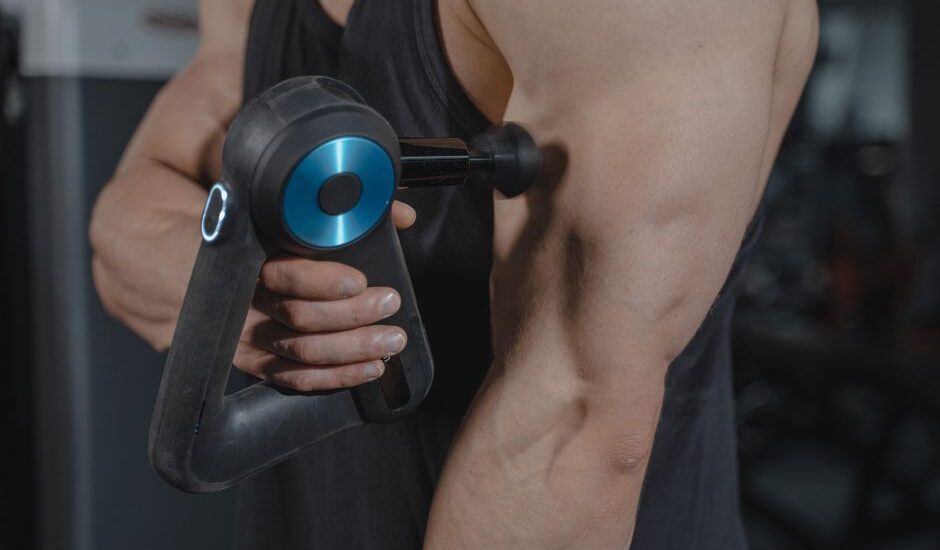
Percussive therapy uses rapid, repetitive pulses (usually 1,200–3,200 percussions per minute) delivered via a handheld device. The head moves back and forth—typically 10–16mm per stroke—striking the muscle tissue. This action aims to increase blood flow, reduce muscle tension, and temporarily relieve soreness. It’s not breaking up scar tissue or “releasing” fascia in the way some marketing claims suggest. Instead, the benefits are mostly neurological and circulatory: the brain interprets the stimulus, which can temporarily reduce pain perception and improve range of motion.
Clinical research backs some outcomes. A 2020 systematic review in the National Library of Medicine found that vibration and percussive therapy can reduce delayed-onset muscle soreness (DOMS) by up to 30% at 24–48 hours post-exercise compared to rest. However, effects on long-term injury recovery or strength gains are limited. For most users, the real-world benefits are short-term: less soreness, a sense of looseness, and sometimes improved mobility for a few hours post-use.
The Three Most Measurable Benefits (With Real Numbers)
To move past vague claims, let’s break down the benefits that actually have quantifiable evidence behind them:
- Reduced muscle soreness: Percussive therapy can decrease perceived muscle soreness by 20–30% at 24–48 hours after intense workouts. This is measured by self-reported pain scales and, in some studies, by pressure pain thresholds.
- Temporary range of motion improvements: After a 2–5 minute session, most users experience a 5–12 degree increase in joint flexibility (e.g., hamstring or shoulder mobility). The effect usually lasts 30–90 minutes.
- Increased local circulation: Doppler ultrasound studies show blood flow to the treated area can increase by 20–40% for up to 30 minutes post-treatment, which may support recovery but won’t “flush out toxins” as some myths suggest.
What percussive therapy does not reliably do: cure chronic pain, heal injuries, or substitute for a full warm-up or stretching routine. It’s a supportive tool, not a standalone fix.
How Percussive Therapy Compares to Other Recovery Tools
Foam rollers, static stretching, and massage balls are the usual alternatives. Percussive therapy stands out for speed and user control—you can target a muscle for 60–120 seconds and feel immediate relief, whereas foam rolling often requires 5–10 minutes for similar effects. Percussive devices also deliver higher peak forces (up to 60 pounds in some cases), whereas foam rollers rarely exceed 20–25 pounds of bodyweight pressure unless you actively push hard. However, the broad contact area of a roller can be better for large muscle groups, and some people find the jarring sensation of percussion uncomfortable, especially on bony areas or sensitive tissue.
Static stretching delivers longer-term flexibility gains but doesn’t offer the same acute pain relief. Massage balls can dig into trigger points more precisely, but require awkward body positions and can’t match the rapid, rhythmic stimulation of a percussive tool. Ultimately, the best choice depends on your sensitivity, body size, and whether you want a quick fix or a longer, more meditative session.
Related Guides
- Electric Foot Baths Worth Buying: Features, Benefits, and Top Picks
- Vibration Therapy vs Percussion Therapy: Which Is Right for You?
- Can Light Therapy Glasses Improve Your Sleep?
- Do Blue Light Glasses Really Offer Benefits?
- Electric Eye Massager Benefits: What Science and Users Reveal
- How Do Red Light Therapy Devices Work? The Science Explained
- Browse all Educational Guides →
How the Main Percussive Therapy Approaches Compare
| Approach | Amplitude (mm) | Force Output (lbs) | Noise Level (dB) | Battery Life (hours) |
|---|---|---|---|---|
| High-amplitude, pro-grade | 14–16 | 40–60 | 65–75 | 2–3 |
| Compact, travel-friendly | 8–10 | 15–25 | 50–60 | 2–4 |
| Entry-level, basic | 8–12 | 10–20 | 60–70 | 1.5–2.5 |
| Quiet, low-force | 8–10 | 8–15 | 40–50 | 3–5 |
| Multi-head, full-coverage | 10–14 | 30–45 | 65–80 | 1–2 |
Beginner’s pre-purchase checklist
- Measure your grip strength—some high-amplitude tools weigh over 2.5 lbs and can cause hand fatigue.
- Check the amplitude (stroke length) in millimeters—if you want deep-tissue impact, look for 14mm or more.
- Compare noise levels—if you’ll use the device at night or in shared spaces, stay under 60dB.
- Assess battery life—aim for at least 2 hours if you use it multiple times per week.
- Test attachment heads—if possible, ensure the set includes both a broad and a pointed head for versatility.
- Review return policies—some devices feel too aggressive or too weak; a 30-day return window is ideal.
- Check maximum force output—if you’re athletic or heavily muscled, make sure the device can deliver at least 30 lbs of stall force.
What Actually Matters: Amplitude, Force, and Noise
Three specs—amplitude, force, and noise—determine the real-world experience more than any marketing claim. Amplitude (stroke length) dictates how deep the pulses penetrate. Anything under 10mm feels gentle, while 14mm+ provides a deep, thudding sensation that’s more effective for dense muscle groups like quads or glutes. Force output (sometimes called stall force) measures how much pressure the device can handle before stalling. Entry-level picks may stall at 10–15 lbs, which can be frustrating if you press hard. Pro-grade tools withstand 40–60 lbs before slowing down.
Noise matters for home use. Devices range from 40dB (quiet library) to 80dB (loud vacuum). If you’re sharing a space, a quiet model is worth the trade-off in power. Battery life is less critical—most sessions last 2–5 minutes per muscle group, so even 2 hours of charge covers weeks of typical use. Prioritize the right force and amplitude for your needs, and don’t overpay for features you won’t use.
Who Should (and Shouldn’t) Use Percussive Therapy
Percussive therapy is best for healthy adults dealing with post-exercise soreness, stiffness after long periods of inactivity, or those who want a quick warm-up before activity. It’s not recommended for anyone with deep vein thrombosis, advanced osteoporosis, recent fractures, or open wounds. People with nerve conditions, joint replacements, or pregnancy should consult a healthcare provider before use. The devices are not toys—misuse can worsen bruising or aggravate existing injuries. If you’re in doubt, err on the side of caution and use the lowest setting on fleshy, non-bony areas.
For most people, percussive therapy is safe when used as directed, but it’s not a substitute for medical care or professional massage when dealing with complex pain or injury.
Common Mistakes That Limit the Benefits
The biggest mistake is overusing the device—long sessions (10+ minutes on one spot) can cause soreness or bruising. Two minutes per muscle group is usually enough. Another common error: using high settings on sensitive areas (neck, joints, bony prominences), which can lead to discomfort or even nerve irritation. Some users skip the warm-up and go straight to max intensity, which increases the risk of pain or rebound tightness. Finally, neglecting to clean the attachment heads can lead to skin irritation or infection, especially after sweaty workouts. Consistent, moderate use on large muscle groups yields better results than aggressive, sporadic pounding.
FAQ: Percussive Therapy’s Benefits and Practicalities
How long should you use a percussive therapy device on each muscle group?
Most evidence and manufacturer recommendations suggest 1–2 minutes per muscle group is sufficient. Exceeding 5 minutes on one area increases the risk of tenderness or bruising, especially on sensitive tissue. For daily use, shorter sessions are safer and just as effective.
Is percussive therapy better than foam rolling for muscle recovery?
Percussive therapy offers faster, more targeted relief and is easier for hard-to-reach areas, while foam rolling covers larger muscle groups and may provide more sustained flexibility gains. For acute soreness, percussive tools excel; for overall mobility, foam rolling still has a place.
Can percussive therapy help with chronic pain or injuries?
It can temporarily reduce pain perception but is not a treatment for underlying injuries or chronic conditions. In some cases, aggressive use can worsen symptoms. Always consult a clinician for persistent pain or if you have a diagnosed injury.
What amplitude and force should you look for in a device?
If you want deep muscle impact, look for at least 14mm amplitude and 30+ lbs of stall force. Lower specs are fine for gentle relaxation or use on smaller muscle groups. These numbers are typically listed in device specs; higher isn’t always better—match to your comfort and needs.
How noisy are percussive therapy devices, and does it matter?
Noise levels range from 40dB (quiet) to over 80dB (loud). If you plan to use the device in a shared space or late at night, aim for models under 60dB. High noise can be distracting and may limit when and where you use the tool.
What are the most common issues or complaints after buying?
Common complaints include devices being too weak or too aggressive, short battery life, uncomfortable handle design, and excessive noise. Some users regret not checking return policies or trying the device before buying. Consider these factors to avoid buyer’s remorse.
Where to Find Credible Research and Standards
For those wanting to dive deeper into the science, the Physio-Pedia platform compiles research summaries on manual therapy and vibration modalities. It’s a practical resource for understanding what’s evidence-based versus marketing hype.
Should You Add Percussive Therapy to Your Routine?
If you want a convenient tool for post-workout soreness, quick warm-ups, or occasional muscle tightness, percussive therapy is worth considering. The biggest gains come from matching the device’s specs to your needs and using it consistently but moderately. Don’t expect it to fix structural injuries or chronic pain—but for everyday relief and flexibility, it’s one of the most efficient recovery tools available.orto find the right fit for your routine and budget.
Last updated: June 2026 · Editorial standards