
9 min read
Microcurrent facial treatments are generally considered safe for most healthy adults when used as directed, but there are important exceptions, risks, and limitations you need to know before starting. Safety depends on how the device delivers current, your personal health history, and how strictly you follow usage guidelines. This guide unpacks what’s actually known about microcurrent facial safety, what the research (and regulators) say, and how to weigh the risks versus benefits for your situation.
What “Safe” Means for Microcurrent Facials — and What It Doesn’t
“Safe” in the context of microcurrent facials means the treatment is unlikely to cause harm in healthy users when used according to instructions. These devices send low-level electrical currents (typically 150–800 microamps) through facial muscles and skin. At these levels, the current is far below what’s used in medical electrotherapy, and most people report only a mild tingling or no sensation at all.
However, “safe” does not mean risk-free or universally appropriate. Microcurrent is not suitable for everyone. People with implanted electrical devices (like pacemakers), epilepsy, active skin infections, or who are pregnant should not use these devices unless specifically cleared by a healthcare provider. The FDA classifies home-use microcurrent facial devices as low-risk (Class I or II), but this does not mean there’s zero risk — especially if you have underlying health issues or use the device incorrectly.
How Microcurrent Facial Devices Actually Work
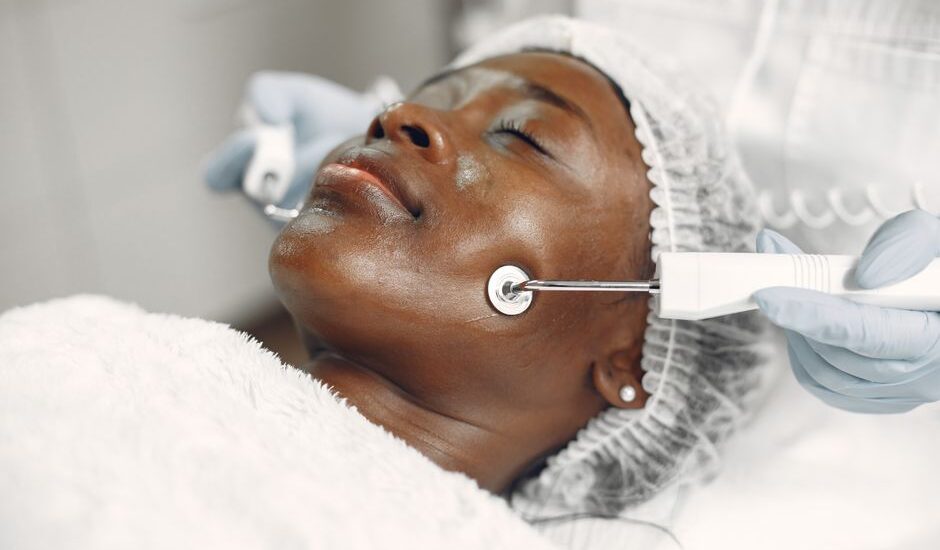
Microcurrent facial devices deliver a very low electrical current (measured in microamps, μA) via metal probes or pads. The current is designed to mimic your body’s natural bioelectricity, with the aim of stimulating facial muscles and supporting cellular energy production (ATP synthesis). Most consumer devices use a current range of 150–400 μA, which is a fraction of what’s used in clinical physiotherapy.
The electrical pathways target either superficial skin layers or deeper facial muscles, depending on probe placement and device design. The sensation is generally mild — you may feel a slight tingling, but you should not experience pain, muscle twitching, or burning. Sessions typically last 5–20 minutes, with most manufacturers recommending no more than 1–3 sessions per week.
What Clinical Research and Regulators Actually Say About Safety
Clinical studies on microcurrent facial devices are generally small, but adverse events are rare and usually mild (such as temporary skin redness or tingling). The U.S. Food and Drug Administration has cleared several home-use microcurrent devices for facial stimulation, requiring that they meet basic safety and labeling standards. However, the FDA does not independently test these devices for long-term effects or guarantee their efficacy for cosmetic results.
Peer-reviewed clinical trials—such as those published in journals like the Journal of Cosmetic and Laser Therapy—report very few serious side effects, but they also note that people with electrical implants, pregnancy, epilepsy, or open wounds were excluded from studies. That means safety for these groups is unproven, not guaranteed. Most dermatologists and estheticians consider microcurrent safe for healthy adults, but recommend avoiding use on broken skin, active acne, or areas with metal implants (such as dental work) without medical advice.
Internationally, regulatory standards vary. The European Union also recognizes microcurrent facial devices as low-risk, but users are still advised to check for CE marking (which indicates conformity with health, safety, and environmental protection standards).
Real-World Risks: Who Should Avoid Microcurrent Facials?
While adverse reactions are rare for most users, some groups face significantly higher risks. Microcurrent devices should be avoided or used only under medical supervision in the following cases:
- Implanted Medical Devices: Pacemakers, cochlear implants, neurostimulators, and similar devices can malfunction if exposed to microcurrent. This is a strict contraindication.
- Epilepsy or Seizure Disorders: Electrical stimulation may potentially trigger seizures. Most manufacturers warn against use in these populations.
- Pregnancy: There is no established safety data for pregnant users. Most authorities recommend against use during pregnancy.
- Active Skin Conditions: Open wounds, recent surgery, active infection, or severe acne can be aggravated by microcurrent. Wait until skin is fully healed.
- Metal Implants in the Face: Dental work (fillings, implants), facial plates, or wires can theoretically conduct current. While rare, discomfort or interference is possible.
For healthy users, risks are mainly minor and temporary — mild redness, tingling, or a metallic taste. If you have any doubt about your suitability, consult a healthcare provider before trying microcurrent.
How the Main Types of Microcurrent Facial Devices Compare
Not all microcurrent devices are created equal. They differ in current strength, probe design, user interface, and safety features. Here’s how the main categories stack up for home users:
| Device Type | Typical Current (μA) | Probe/Pad Design | Safety Features | Session Duration |
|---|---|---|---|---|
| Handheld Dual-Probe Device | 150–400 | Metal ball or rod probes | Auto shut-off, current limiter | 5–15 min |
| Wearable Mask-Style Device | 200–350 | Flexible pads or mesh | Timer, low-battery warning | 10–20 min |
| Targeted Spot-Treat Wand | 100–250 | Single-point tip | Manual power control | 3–8 min |
| Salon-Grade Multi-Output System | 400–800 | Multiple electrode pads/probes | Professional monitoring | 30–60 min |
Specifications that actually matter
Current Output (μA)
Look for a device with a clearly stated current range, ideally between 150–400 μA for home use. Devices operating above 400 μA approach levels used in medical electrotherapy, which can increase the risk of discomfort or adverse effects. More isn’t always better; higher current does not guarantee better results and can raise safety concerns.
Probe or Pad Material
High-quality stainless steel or medical-grade silicone probes are less likely to cause skin irritation or allergic reactions. Lower-quality metals may corrode or trigger contact dermatitis, especially if used with conductive gels containing fragrances or dyes.
Session Timer & Auto Shut-Off
A built-in session timer (typically 5–20 minutes) and automatic shut-off feature help prevent overuse, which can cause skin irritation or muscle fatigue. This is especially important if you’re new to microcurrent therapy or prone to distraction during self-care routines.
Adjustable Intensity Levels
You want a device with at least 3–5 intensity settings. This allows you to start at a lower current and gradually increase as your skin adapts, minimizing the risk of stinging or discomfort. Fixed-output devices offer less flexibility and can be too strong for sensitive users.
Battery Safety and Power Supply
Rechargeable lithium batteries are common, but look for devices with overcharge protection and clear low-battery indicators. Faulty batteries can overheat, especially if left charging unattended. Devices powered by disposable batteries should have a secure compartment to prevent corrosion.
What Can Go Wrong? Real User Mistakes and How to Avoid Them
Most safety issues with microcurrent facials arise from user error rather than device failure. The most common mistakes include:
- Skipping the conductive gel: This can cause stinging, burns, or ineffective current delivery. Always use a water-based gel to ensure even current flow and protect your skin.
- Overusing the device: More frequent or longer sessions do not mean faster results. Overuse can lead to skin irritation, muscle twitching, or fatigue. Stick to the recommended schedule (typically no more than 3 times per week).
- Using on broken or infected skin: Applying current to open wounds, acne cysts, or rashes can worsen irritation and delay healing.
- Ignoring contraindications: Always check the manual and consult a professional if you have medical implants, epilepsy, or are pregnant.
- Improper cleaning: Failing to clean probes after each use can introduce bacteria to the skin, leading to breakouts or infection.
Most devices include clear instructions and warnings — read them closely before use. If you experience persistent redness, burning, or discomfort, stop and consult a healthcare provider.
Related Guides
How Does Microcurrent Compare to Other At-Home Facial Treatments?
Microcurrent is often compared to other at-home facial devices such as LED light therapy, radiofrequency (RF), and ultrasonic wands. Each technology has its own safety profile:
- LED Light Therapy: Uses non-thermal light at specific wavelengths (typically 415–850 nm) to target skin cells. Generally considered very safe, with the main risks being eye exposure and mild skin dryness.
- Radiofrequency (RF): Delivers heat deep into the skin to stimulate collagen. Risks include burns, especially if used incorrectly or on darker skin tones. RF is not suitable for those with metal implants or certain skin conditions.
- Ultrasonic Devices: Use high-frequency sound waves to enhance product absorption. Low risk for most users, but not recommended for use over broken skin or for those with pacemakers.
Compared to these, microcurrent offers a good balance of safety and potential mild toning effects for most healthy adults. However, the risk profile increases if you have any health conditions that make you sensitive to electrical stimulation.
For a deeper dive into device safety and regulatory status, the British Heart Foundation and other national health bodies provide additional information on electrical stimulation and contraindications.
FAQ: Microcurrent Facial Treatment Safety
Can you use microcurrent facial devices every day?
Most manufacturers and skin professionals recommend using microcurrent devices no more than 2–3 times per week. Daily use can increase the risk of skin irritation, redness, or muscle fatigue, especially if sessions exceed 15–20 minutes. Always follow the specific guidelines for your device.
Is microcurrent safe for people with dental implants or fillings?
Dental fillings and implants made of metal can theoretically conduct current, causing mild discomfort or a metallic taste. While serious complications are rare, it’s best to avoid direct probe contact with these areas and start with the lowest intensity setting. If you have extensive dental work, consult your dentist or physician before use.
What’s the risk of burns or electric shock from microcurrent facials?
Burns and shocks are extremely uncommon with reputable home-use devices operating in the 150–400 μA range. These risks increase only if you skip conductive gel, use a damaged device, or ignore safety warnings. Always inspect your device for wear before each session and discontinue use if you notice any damage.
How long does post-treatment redness or tingling last?
Mild redness or tingling after a microcurrent facial usually resolves within 15–60 minutes. Persistent irritation, swelling, or pain is not normal and should prompt discontinuation and medical review. Most people experience no lasting after-effects with proper use.
Microcurrent vs. LED light therapy — which is safer for sensitive skin?
LED light therapy is generally considered safer for sensitive skin, as it does not use electrical current and has a lower risk of irritation. Microcurrent may cause tingling or mild redness in sensitive users, especially if the intensity is set too high. For those with very reactive skin, LED is often a better starting point.
Is there a warranty or return policy for microcurrent facial devices?
Most reputable manufacturers offer a limited warranty (typically 1 year) and a return window (often 30–60 days). Check before purchase, as coverage varies. Retain proof of purchase and register your device if required to activate warranty support.
Your Bottom Line: Should You Try Microcurrent Facials?
Microcurrent facial treatments are low-risk for most healthy adults and can be a safe addition to your at-home skincare routine — provided you use them correctly and understand the limitations. They’re not a fit if you have electrical implants, epilepsy, are pregnant, or have active skin conditions. For everyone else, focus on devices with clear current specs, safety features, and adjustable settings. Read the manual, start slow, and listen to your skin. If you want to see what’s available, compare today’s deals or view options tailored for home use. For those who want a professional-grade experience,on salon-style systems — but remember, safety always comes first. When in doubt, check with your healthcare provider before starting any new device-based treatment.
Last updated: June 2026 · About our research