
9 min read
Disclosure: As an Amazon Associate and eBay Partner Network publisher, we earn from qualifying purchases. This doesn’t affect what we recommend or how we describe it.
Most electric facial cleansing brushes promise a deeper clean and smoother skin, but the real differences come down to brush motion, bristle material, and how well the device matches your skin’s needs. The best brush for oily, acne-prone skin is not the same as what works for sensitive or mature skin. With prices ranging from under $30 to well over $200, and features like sonic oscillation, silicone heads, and app integration, it’s easy to overpay for tech you’ll never use—or worse, buy a device that irritates your skin. Understanding which specs actually matter helps you sidestep marketing fluff and choose a brush that genuinely improves your skincare routine.
What Actually Cleans Your Skin: Oscillation vs. Rotation vs. Sonic Vibration
Most electric facial cleansing brushes fall into three primary motion categories: rotating, oscillating, and sonic vibration. Each motion type impacts both how thoroughly the brush cleans and its potential to irritate skin.
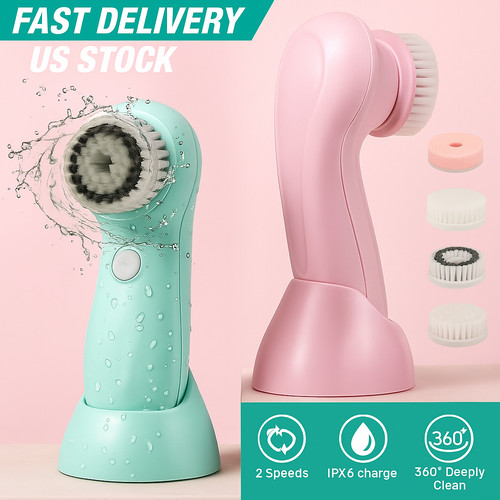
- Rotating brushes use a single head that spins 360°. They physically scrub the skin, which removes surface debris and some makeup efficiently. However, rotation can tug at delicate facial skin, especially at higher speeds, and may aggravate sensitive or acne-prone skin after repeated use.
- Oscillating brushes move the brush head back and forth, often at rates between 200–400 oscillations per second. This motion is gentler than full rotation and less likely to stretch or damage skin. Many dermatologists recommend oscillation for daily cleansing, especially on combination or normal skin types.
- Sonic vibration brushes vibrate at very high frequencies—typically 7,000–10,000 pulsations per minute. Instead of scrubbing, these brushes agitate the cleanser and water, helping to dislodge dirt and oil from pores without abrasive friction. Sonic brushes are generally safest for sensitive, aging, or rosacea-prone skin, provided the bristle material is also gentle.
The cleaning effectiveness isn’t just about movement; bristle density, shape, and material also play a role. Nylon bristles are common, but silicone brush heads—especially those with rounded touchpoints—are gaining popularity for their nonporous, hypoallergenic properties and easier cleaning.
How the Options Compare: Electric Facial Cleansing Brush Types
| Type | Motion | Bristle Material | Waterproof Rating | Battery Life | Price |
|---|---|---|---|---|---|
| Rotating nylon brush | 360° rotation | Nylon | IPX5–IPX7 | 7–14 days | $ |
| Oscillating nylon brush | 200–400 oscillations/sec | Nylon | IPX6–IPX7 | 10–20 days | $$ |
| Sonic silicone brush | 7,000–10,000 pulsations/min | Silicone | IPX7 | Up to 60 days | $$$ |
| Dual-head (nylon + silicone) | Oscillation + vibration | Nylon & silicone | IPX6–IPX7 | 15–30 days | $$ |
| Travel mini (compact sonic) | 5,000–8,000 pulsations/min | Silicone | IPX7 | 30–45 days | $ |
Note on pricing: the $ symbols are relative tiers within this comparison — $ is the cheapest of the bunch, $$$ the priciest. Live listings (and exact prices) appear further on.
Who Should Choose Which Brush Type?
Your skin type, sensitivity, and daily routine matter more than the number of brush speeds or Bluetooth features. Here’s how to match brush type to real-world needs:
- Oily or acne-prone skin: Oscillating nylon brushes can provide enough mechanical cleaning to remove excess sebum and help prevent clogged pores. Look for models with bristle density of at least 0.06 mm diameter and replace heads every 3–4 months to avoid bacterial buildup.
- Sensitive, dry, or aging skin: Sonic silicone brushes are less abrasive, with touchpoints as small as 0.5 mm. These are less likely to cause microtears or exacerbate redness. If you have rosacea or eczema, stick to low-speed settings (below 8,000 pulsations/min) and limit use to 2–3 times per week.
- Frequent travelers or gym users: Travel mini sonic brushes weigh as little as 60 grams and fit in a palm. These often charge via USB and can last up to 45 days per charge, making them hassle-free for on-the-go cleansing.
- Combination skin or varied routines: Dual-head brushes offer flexibility—use the nylon side for deep cleaning and the silicone side for gentle exfoliation. These are ideal if your skin’s needs change with the seasons or hormonal cycle.
Regardless of the brush, always choose a device with at least IPX6 waterproofing. This ensures safe use in the shower and easy cleaning of the device itself.
Related Guides
- Our guide to How to Charge an Electric Heating Pad: A Step-by-Step Guide
- Our guide to Electric Foam Rollers That Are Actually Worth Buying
- Electric Heating Pads Worth Trying for Effective Pain Relief
- Electric Nail Files Worth Trying for Salon-Quality Results at Home
- Our guide to Electric Nasal Irrigators That Actually Work: A No-Nonsense Guide
- Electric Eye Massager Benefits: What Science and Users Reveal
- Browse all Buying Guides →
The Spec Sheet: What Numbers Actually Matter
Forget marketing buzzwords—these are the measurable specs that actually affect daily use and long-term skin health:
- Oscillation/vibration rate: For sonic brushes, 7,000–10,000 pulsations/min is standard. Higher isn’t always better—extremely high frequencies can irritate sensitive skin. For oscillating brushes, 200–400 oscillations/sec is optimal for cleaning without over-exfoliation.
- Bristle diameter: Nylon bristles under 0.07 mm are softer and less abrasive. Silicone touchpoints under 0.5 mm diameter are best for gentle cleansing.
- Waterproof rating: IPX7 allows full submersion, ideal if you want to clean the brush thoroughly under running water.
- Battery life: Sonic silicone brushes often claim up to 60 days on a single charge (using 1–2 minutes per day), while rotating models may need charging every 10–14 days.
- Charging method: USB-C or magnetic charging is more reliable and less prone to water damage than micro-USB ports.
- Timer and zone guidance: Built-in timers (typically 60–90 seconds) and zone prompts help prevent over-cleansing, which can damage the skin barrier.
Some premium brushes offer app integration, tracking your cleansing habits and providing reminders. These features are useful only if you’re likely to use them; otherwise, they add cost without real benefit.
Real-World Cleaning: What the Research Says
Clinical studies suggest that electric facial cleansing brushes can remove more particulate matter and makeup residue than hand washing alone. A 2017 review in PubMed-indexed dermatology journals found that oscillating and sonic brushes improved skin texture and reduced pore congestion after 4–6 weeks of regular use, provided users avoided overuse. However, over-cleansing—especially with stiff bristles or high-speed rotation—can disrupt the skin’s acid mantle, leading to increased dryness and sensitivity. The American Academy of Dermatology recommends limiting use to once daily or a few times per week, especially if you notice redness or irritation.
Hygiene is critical. Nylon heads should be replaced every 3–4 months, while silicone brushes can last up to a year with regular cleaning. Nonporous silicone is less likely to harbor bacteria, making it a better choice if you’re prone to breakouts or skin infections.
For those with active acne, eczema, or rosacea, consult with a dermatologist before introducing any mechanical cleansing device. While these brushes can enhance cleansing, they are not a substitute for targeted treatments or gentle skincare routines.
For more on the science behind skin cleansing, see the American Academy of Dermatology’s guidance on facial cleansing.
Common Mistakes: How to Avoid Damaging Your Skin
Even the best electric facial cleansing brush can cause problems if used incorrectly. These are the most common pitfalls:
- Pressing too hard: Let the brush glide over your skin—don’t apply pressure. Excess force can cause microtears and redness.
- Using harsh cleansers: Avoid exfoliating scrubs or acids when using a brush. Stick to mild, non-foaming cleansers to prevent over-stripping your skin’s natural oils.
- Overusing the device: Daily use is safe for most people with normal/oily skin, but sensitive or dry skin types should limit use to 2–3 times per week.
- Neglecting brush hygiene: Rinse heads thoroughly after each use and disinfect weekly. Replace nylon heads every 3–4 months; silicone heads last longer but still require regular cleaning.
When to Skip the Brush Altogether
Electric cleansing brushes aren’t for everyone. If you have active cystic acne, open wounds, severe rosacea, or eczema flares, mechanical cleansing can worsen inflammation and delay healing. In these cases, gentle hand cleansing and non-abrasive cloths are safer. Likewise, if your skin is consistently dry, flaky, or highly sensitive, even the softest silicone brush may be too much.
FAQs: Electric Facial Cleansing Brushes
How often should you replace a nylon brush head?
Most manufacturers recommend replacing nylon brush heads every 3–4 months to prevent bacterial buildup and maintain effective cleaning. If you notice bristles bending or discoloration earlier, swap them out sooner for best results.
Sonic silicone vs. oscillating nylon: Which is better for sensitive skin?
Sonic silicone brushes are typically gentler due to their soft, nonporous touchpoints and high-frequency vibration that lifts debris without harsh scrubbing. Oscillating nylon brushes clean more deeply but can irritate sensitive or compromised skin if used too often or with stiff bristles.
Is a waterproof rating of IPX5 enough for shower use?
IPX5 protects against splashing water but does not guarantee safe submersion. For full shower or bath use, look for at least IPX7, which allows the device to be submerged up to 1 meter for 30 minutes.
How long does a typical charge last on a sonic silicone brush?
Most sonic silicone brushes offer between 30 and 60 days of use per charge, assuming daily cleansing sessions of 1–2 minutes. Battery life can vary depending on speed settings and whether you use additional features like timers or app connectivity.
What’s the risk of over-cleansing with an electric brush?
Over-cleansing—using a brush too often or for too long—can strip the skin’s natural oils, leading to dryness, irritation, and increased sensitivity. Always follow the device’s timer (usually 60–90 seconds) and monitor your skin for signs of redness or tightness.
Are electric cleansing brushes compatible with all cleansers?
Most brushes work best with gentle, non-exfoliating cleansers. Avoid using products with physical scrubs, microbeads, or high concentrations of acids, as these can increase the risk of irritation when combined with mechanical action.
What should you do if the brush causes breakouts or irritation?
Discontinue use immediately and allow your skin to recover. Clean and disinfect the brush head, and consider switching to a softer bristle or silicone head. If irritation persists, consult a dermatologist before resuming use.
Where to Find the Right Electric Facial Cleansing Brush for You
Once you know your preferred brush type and the features that matter for your skin, focus on the buying profile that matches your needs. For deep cleaning on a budget, a rotating nylon brush with IPX7 waterproofing and a 7–14 day battery is a solid starting point. If you want the gentlest, lowest-maintenance option for sensitive skin, a sonic silicone brush with a 60-day battery and magnetic charging is worth the premium.
- Check current prices on oscillating and sonic options for all skin types
- View options for travel-friendly and compact brushes
- Compare today’s deals on dual-head and premium silicone models
The Bottom Line: Don’t Buy More Brush Than You Need
Electric facial cleansing brushes can upgrade your skincare routine, but only if you match the device to your skin’s real needs—not the latest gadget trend. Focus on motion type, bristle material, waterproofing, and battery life over flashy features. For most people, a sonic silicone brush with true IPX7 waterproofing and a 1–2 month battery is the safest, lowest-maintenance bet. If your skin is resilient and you want a deeper clean, oscillating nylon brushes offer great value—just don’t overdo it. Buy smart, use gently, and your skin will thank you.
Last updated: June 2026 · About our research