Disclosure: As an Amazon Associate and eBay Partner Network publisher, we earn from qualifying purchases. This doesn’t affect what we recommend or how we describe it.
7 min read
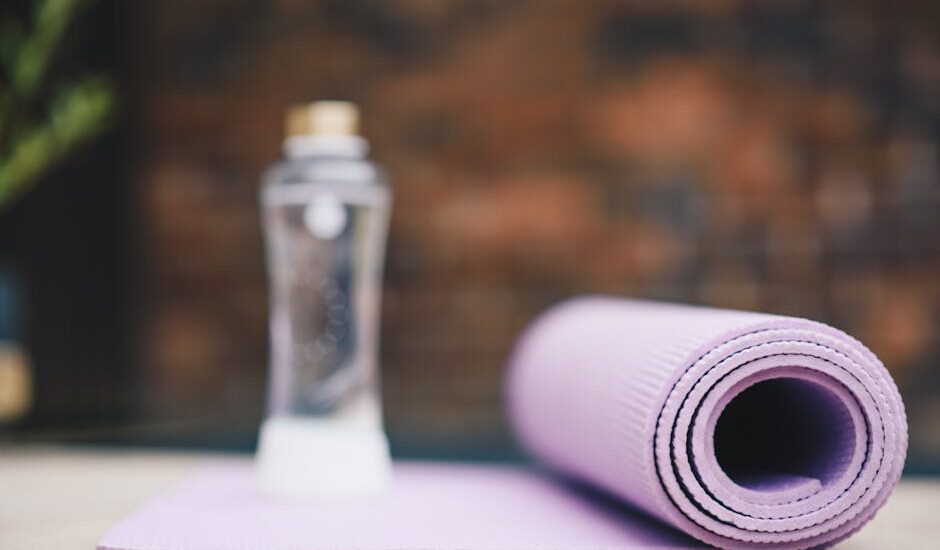
Every fitness mat—whether you use it for yoga, Pilates, HIIT, or stretching—accumulates more than just sweat. Oils from your skin, bacteria, shoe debris, and even cleaning product residues can build up, affecting not just hygiene but also grip and mat longevity. The most important thing to know: not all mats can be cleaned the same way, and using the wrong method can degrade materials, reduce cushioning, or even void a warranty. This guide unpacks exactly how to clean fitness mats based on material, frequency, and real-world use—so you can maintain a safe, odor-free workout surface without damaging your investment.
Why Your Cleaning Method Should Match Your Mat Material
The material of your fitness mat isn’t just a label—it determines how the mat responds to moisture, cleaning agents, and physical scrubbing. For example, closed-cell PVC mats resist water absorption and can handle diluted soap, while natural rubber mats are sensitive to oils and harsh chemicals. EVA foam mats, often found in thicker exercise or gym flooring, can warp or degrade if soaked or exposed to alcohol-based sprays. Using a generic approach risks permanent damage or a slippery surface that undermines safety.
Here’s a quick breakdown of common fitness mat materials and what that means for cleaning:
- PVC (Polyvinyl Chloride): Durable, non-porous, resists water and most mild cleaning agents.
- TPE (Thermoplastic Elastomer): Non-toxic, slightly more sensitive than PVC, best cleaned with diluted soap and water.
- Natural Rubber: Absorbs water, can break down with essential oils or vinegar, requires gentle, pH-neutral cleaners.
- EVA Foam: Lightweight, porous, should never be soaked—use damp cloth only.
- Polyurethane Top Layer: High-grip “performance” mats often have PU surfaces; these stain easily and require no-oil, non-abrasive cleaners.
How Often Should You Clean Your Fitness Mat?
Frequency depends on usage, sweat level, and whether you share your mat. For solo, low-sweat activities like yoga, a weekly wipe-down may suffice. If you do hot yoga, HIIT, or share mats in a gym, daily cleaning is ideal. The CDC recommends cleaning shared exercise equipment after each use to reduce the risk of skin infections. For home mats, a deep clean every 2-4 weeks prevents buildup that simple wipes can’t address.
How the Main Cleaning Methods Compare
| Approach | Best For | Cleaning Agent | Dry Time | Ease of Use | Price |
|---|---|---|---|---|---|
| Quick Surface Spray | Post-workout wipe-down | Diluted soap or mat spray | 5–15 min | Very easy | $ |
| Deep Hand Wash | Monthly maintenance | Mild soap + water | 1–2 hrs | Moderate | $ |
| Machine Wash (if allowed) | Soft, fabric-backed mats | Mild detergent | 6–24 hrs | Easy | $$ |
| Disinfectant Wipe | Gym/shared mats | Approved disinfectant | 10–30 min | Very easy | $ |
| Spot Cleaning | Stains/odor patches | Baking soda paste | 30–60 min | Moderate | $ |
Pricing context: $, $$, and $$$ are relative ratings against the other products listed above, not absolute dollar ranges. Live current prices follow below.
Step-by-Step: How to Clean Your Fitness Mat Safely
- Check the care instructions. Most mats have a care tag or manufacturer’s page specifying what cleaning agents and methods are safe. Following this avoids voiding warranties or damaging materials.
- Shake off debris. Take your mat outside and shake or brush off dust, grit, and hair before applying any liquid cleaner. This prevents abrasive particles from scratching the surface during cleaning.
- Mix a suitable cleaning solution. For PVC or TPE, combine 2–3 drops of mild dish soap in 500 ml of warm water. For natural rubber, use only plain water or a pH-neutral cleanser. Avoid vinegar, essential oils, or alcohol-based cleaners unless specifically recommended for your mat type.
- Wipe down both sides. Dampen a soft cloth or sponge in your solution and wring it out thoroughly. Wipe one side of the mat, paying attention to areas with visible sweat marks or stains, then repeat on the other side.
- Rinse with a clean, damp cloth. Remove any soap residue with a water-only wipe. This step is crucial—leftover soap can make mats slippery and attract more dirt.
- Dry thoroughly before rolling. Hang the mat over a shower rod or lay it flat on a clean, dry towel. Avoid direct sunlight for natural rubber or PU mats, as UV light can degrade materials. Ensure both sides are completely dry before storing to prevent mildew.
What Not to Do: Common Cleaning Mistakes That Ruin Mats
Several well-intentioned cleaning habits actually shorten the lifespan of fitness mats. Soaking a mat in a bathtub, for example, can cause foam or natural rubber to absorb water, leading to warping or breakdown. Using bleach, hydrogen peroxide, or undiluted alcohol may kill bacteria but will also strip color, degrade texture, and make the surface brittle. Avoid abrasive brushes or scouring pads—these can create micro-tears, reducing grip and increasing the risk of slips. Finally, never put a mat in a dryer unless the care label explicitly says it’s safe—high heat can shrink, crack, or melt most materials.
Related Guides
- Our guide to Smart Ring vs Fitness Band: Which Wearable Is Right for You?
- Vibration Plate vs Balance Board: Which Is Right for Your Fitness Goals?
- The Best Acupressure Mats Worth Trying for Home Wellness
- Our guide to Elliptical Machine vs Treadmill: Which Is Better for Your Fitness Goals?
- Browse all Educational Guides →
- Healthy Cooking Appliances Pensioners Can Get for Free
- Our guide to Anti-Fatigue Mats for Kitchen 2026: Our Top Picks
When to Replace Instead of Clean
Even the best cleaning routine can’t save a mat that’s past its prime. Persistent odors after thorough washing, visible cracks or flaking, loss of grip, or permanent deformation are signs it’s time to replace. Most frequently used mats (e.g., daily HIIT or hot yoga) last 12–18 months with regular care; low-traffic mats may last 2–4 years. If you notice black spots (potential mold) that don’t disappear with cleaning, replacement is safer than risking skin irritation or infection. For more on when to upgrade, see what’s available in the latest mat options.
Choosing the Right Cleaning Supplies: What Actually Works?
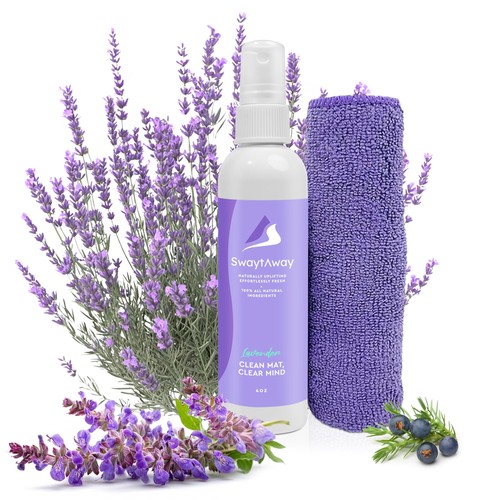
For most mats, a soft microfiber cloth or non-abrasive sponge is ideal. Avoid paper towels, which can leave lint or break apart. Mat-specific sprays generally use a mix of water, mild surfactants, and sometimes essential oils—check that these are compatible with your mat (especially if it’s natural rubber or PU). For disinfecting, use only wipes or sprays approved for fitness equipment, as per EPA guidelines on disinfectants. For spot cleaning, a paste of baking soda and water can lift stains without harsh chemicals. Always prioritize pH-neutral and residue-free formulas for long-term mat health.
Need to restock supplies? Compare today’s deals on mat-safe cleaners and accessories.
FAQs: Cleaning Fitness Mats
How often should I deep clean my fitness mat?
For home use, a deep clean every 2–4 weeks is sufficient for most mats, unless you sweat heavily or share the mat. In shared or high-traffic environments, weekly deep cleans are safer. Daily surface wipes are recommended after every use to keep bacteria in check.
Can I use disinfectant wipes on all mat types?
No—many disinfectant wipes contain alcohol or bleach, which can degrade natural rubber, PU, and some TPE mats. Always check your mat’s care instructions and choose wipes specifically labeled as safe for fitness equipment or the material of your mat.
Is machine washing safe for any fitness mats?
Only a minority of mats—typically those with a fabric or microfiber top layer and no foam or rubber base—are machine washable. Most foam, PVC, and rubber mats should never go in a washing machine, as agitation and prolonged soaking can cause warping or breakdown.
How long does it take for a mat to dry after cleaning?
Surface wipe-downs usually dry in 5–30 minutes, depending on material and airflow. Deep cleaning or machine washing can require 6–24 hours for full drying, especially for thicker mats. Always allow complete drying before rolling or storing to prevent mildew.
What’s the difference between quick sprays and deep washing?
Quick sprays or wipes remove sweat and surface bacteria after each use but don’t address deep-seated oils or odors. Deep washing—using soap and water or a soaking method (if allowed)—removes embedded grime and extends mat life. Both approaches are important; sprays for daily hygiene, deep cleans for long-term care.
What if my mat still smells after cleaning?
Persistent odors often signal bacteria or mildew trapped deep in the mat’s material, especially if it’s foam or porous rubber. If a second thorough cleaning (including spot treatment with baking soda) doesn’t resolve the smell, it may be time to replace the mat. Mats with permanent odor are also more likely to harbor bacteria.
Are there health risks to not cleaning my mat regularly?
Yes—unclean mats can harbor bacteria, fungi, and viruses, increasing the risk of skin infections, athlete’s foot, and other issues. The CDC highlights the importance of regular cleaning for shared fitness equipment to prevent transmission of infectious agents.
Final Take: Clean Smarter, Not Harder
The key to safe, effective mat cleaning is matching your method to your mat material and workout habits. Avoid harsh chemicals, over-soaking, and abrasive tools—these do more harm than good. Regular wipe-downs and monthly deep cleans keep your workout surface hygienic and grippy, while extending its usable life. If you’re due for a new mat or want to upgrade your cleaning kit, see what’s available from current options before your next sweat session.
Last updated: June 2026 · How we research and evaluate