7 min read
Disclosure: As an Amazon Associate and eBay Partner Network publisher, we earn from qualifying purchases. This doesn’t affect what we recommend or how we describe it.
Acupressure mats aren’t just a single-use wellness gimmick—they’re bought by three very different types of people. Some are looking for a budget-friendly way to try acupressure at home, hoping for pain relief or better sleep without a pricey spa visit. Others want a premium self-care ritual with memory foam and luxury features, more in line with high-end wellness brands. And then there are the skeptics: people who want to see if the research on acupressure stacks up, but don’t want to waste money on a mat that turns out to be cheap plastic. Choosing the right mat comes down to matching your comfort preferences, willingness to pay for extra features, and how much you care about brand reputation versus pure function.
Top picks at a glance
- ProsourceFit Acupressure Mat and Pillow Set — the most popular budget pick
- WTHN Acupressure Mat Set with Carry Case and Memory Foam Pillow — the premium wellness brand option
Why the feel of an acupressure mat matters more than you think
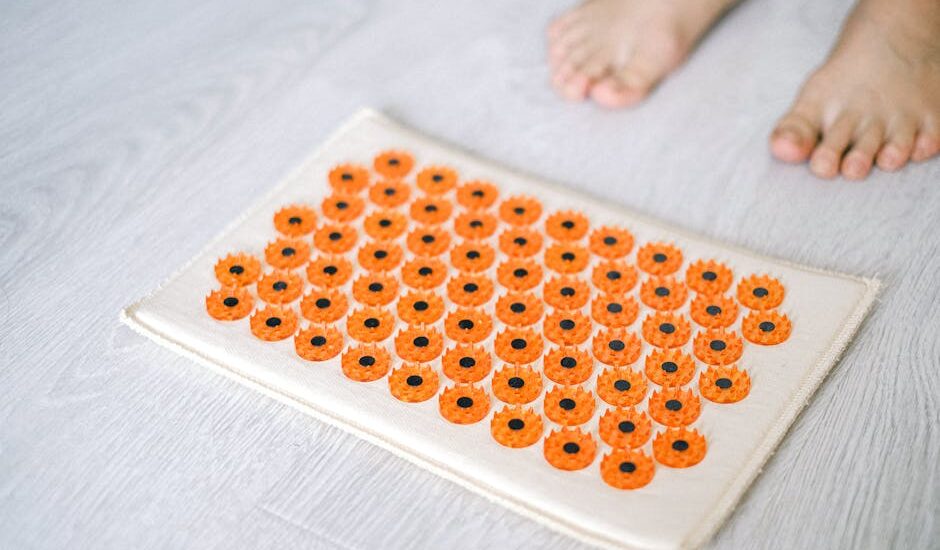
Most acupressure mats look similar at first glance: fabric pads covered with hundreds of plastic spikes. But the material under those spikes—foam density, cover fabric, even pillow shape—changes the experience dramatically. For example, the ProsourceFit Acupressure Mat and Pillow Set uses a basic foam core, while the WTHN Acupressure Mat Set with Carry Case and Memory Foam Pillow advertises a memory foam pillow, which molds to your neck and shoulders. That difference isn’t just marketing: memory foam can reduce the initial ‘ouch’ factor, making the mat usable for longer sessions or for people with sensitive skin. If you’re new to acupressure mats and worried about discomfort, the underlying material may be the deciding factor—not just the number of spikes.
Side-by-side comparison: Budget vs premium acupressure mats

Pictured: ProsourceFit set
| Product | Condition | Price | Best For | Mat & Pillow Material | Portability Features |
|---|---|---|---|---|---|
| ProsourceFit Acupressure Mat and Pillow Set |
Open Box | $ | Budget shoppers, first-time users | Standard foam, cotton cover | — |
 WTHN Acupressure Mat Set with Carry Case and Memory Foam Pillow WTHN Acupressure Mat Set with Carry Case and Memory Foam Pillow |
Used | $$$ | Premium comfort, gift buyers | Memory foam pillow, luxe fabric | Carry case included |
Pricing key: $ marks the budget tier, $$ the mid-range, $$$ the premium picks. Tiers are relative to the products in this comparison; actual prices update live below.
What most buying guides get wrong about acupressure mat features
Many guides focus solely on the number of spikes or the overall mat size. But those numbers don’t tell you much about comfort or usability. In practice, a mat with 6,000 spikes isn’t always better than one with 4,000—if the spikes are too sharp or the foam is too thin, you’ll use it less. The ProsourceFit set offers a standard foam core and pillow, which is fine for short daily sessions or for people who want a simple, low-commitment mat. The WTHN set brings a memory foam pillow and a softer, higher-end fabric, which can make a real difference for anyone planning longer sessions or using the mat for relaxation before bed.
Another overlooked feature is portability. The WTHN set includes a carry case, making it easier to travel with or store discreetly. If you want to take your mat to the office or on trips, this is a genuine advantage. The ProsourceFit set doesn’t include a case, so you’d need to roll it up and stash it as is.
How we shortlisted the best acupressure mats
For this guide, selection focused on a few key criteria: mat and pillow material (standard foam vs memory foam), included accessories (carry case, pillow), brand reputation, and the overall value for the price tier. Product listings were reviewed for details on foam density, fabric type, and the presence of extras like a carry case. We compared listed specs side by side and prioritized options that clearly stated their construction and comfort features. Unbranded mats, listings with missing specs, and bundles that didn’t include both mat and pillow were left out—these often obscure what you’re actually getting or cut corners on materials.
This list is for adults looking for a home acupressure solution that balances cost, comfort, and convenience. It’s not for anyone seeking a medical device for treating diagnosed conditions—acupressure mats are not a substitute for medical advice or therapy. If you need targeted pain relief for a specific medical issue, consult a healthcare professional before purchasing.
Related Guides
- How to Clean Fitness Mats: A Step-by-Step Guide
- Weighted Vests vs Wrist and Ankle Weights: Which Is Right for You?
- Sleep Apnea Mouthpieces That Work: What to Know Before You Buy
- Smart Bathroom Scales That Sync Seamlessly With Your iPhone
- How to Choose the Right Adjustable Shower Chair for Seniors
- Our guide to How to Clean an Orthopedic Pillow: A Step-by-Step Guide
Total cost of ownership
Sticker price isn’t the only cost with acupressure mats. Here are the ongoing or hidden costs to keep in mind:
- Replacement covers: Over time, the fabric cover can wear out, especially with daily use. Expect to replace it every 1-2 years if you want to keep the mat hygienic; replacement covers typically run $10-$20 when available.
- Cleaning supplies: Mats should be spot-cleaned or hand-washed. If you use the mat daily, plan on gentle detergents ($5-$10/year) to avoid degrading the spikes or foam.
- Travel accessories: Only the WTHN set includes a carry case. If you want to travel with the ProsourceFit set, a third-party yoga mat bag ($10-$15) may be needed.
- Replacement pillow (if lost or damaged): Some brands sell the pillow separately, but not all. Replacing just the pillow can cost $15-$30, depending on material.
- Potential for early replacement: Cheaper mats with thin foam may lose support after a year of heavy use, especially for heavier users. Plan for possible full replacement every 12-24 months if durability is a concern.
Acupressure mat FAQs: What real buyers ask
How long does an acupressure mat last with daily use?
Most mats will last 1-2 years with daily 10-30 minute sessions, assuming you follow care instructions and avoid washing in a machine. Mats with denser foam cores and reinforced fabric covers, like those found in higher-end sets, may last longer before compressing or tearing.
Is the WTHN set worth the extra price over the ProsourceFit set?
If you value a memory foam pillow, softer fabric, and the convenience of a carry case, the WTHN set justifies its higher price—especially for gift buyers or those planning longer sessions. However, if you just want to try acupressure without a big upfront investment, the ProsourceFit set covers the basics for less.
Can I use these mats for targeted neck or back pain?
Both mats include a pillow designed for neck and upper back positioning. However, acupressure mats are not medical devices, and their effects on pain are not guaranteed. For persistent or severe pain, consult a healthcare provider. See Mayo Clinic for more on complementary therapies.
Are these mats easy to clean?
Both mats have removable covers for spot-cleaning. Most manufacturers recommend hand-washing and air-drying to preserve the spikes and foam. Machine washing can damage the mat or cause the spikes to detach, so stick to gentle cleaning for longest life.
Do acupressure mats work for everyone?
Acupressure mats are generally safe for most adults, but not everyone finds them comfortable. People with sensitive skin, certain skin conditions, or poor circulation should check with a doctor before use. The sensation can be intense at first, so it’s best to start with short sessions and a thin shirt until you adjust. For background on safety, see guidance from the National Center for Complementary and Integrative Health.
What if I want to travel with my mat?
The WTHN set includes a carry case for easy transport and storage. If you choose the ProsourceFit set, you’ll need to purchase a separate bag or roll it up and secure it with straps. Consider the size of the mat and your typical luggage space before planning to take it on the road.
The verdict: Which acupressure mat is right for you?
If you’re primarily concerned with cost and just want to try acupressure at home, the ProsourceFit set gives you a pillow and mat at the lowest price tier. It’s a sensible pick for first-timers or those who only use a mat occasionally. For those who want a more luxurious experience—softer fabric, memory foam support, and a carry case for travel—the WTHN set is the clear upgrade. Both options cover the basics, but the right choice depends on your comfort preferences, travel needs, and willingness to pay for premium extras. If neither set fits your needs—say, you have a medical condition, want a mat for a child, or prefer a device with clinical backing—skip the mat and look for a product designed specifically for your situation.
If you want to browse more options or check the latest deals, see the full range of acupressure mats here.


Last updated: July 2026 · How we research and evaluate