
9 min read
Disclosure: As an Amazon Associate and eBay Partner Network publisher, we earn from qualifying purchases. This doesn’t affect what we recommend or how we describe it.
Weighted vests and wrist or ankle weights can cost anywhere from $20 to $150, but the price isn’t the only thing that separates them. The way extra weight is distributed on your body changes not just how your workout feels, but which muscles are loaded, how your joints respond, and even your risk of injury. Understanding these differences will help you pick the right tool for your training, whether you’re aiming to build strength, boost endurance, or just make daily movement more challenging.
Spot the difference between how vests and limb weights load your body
The main distinction isn’t just where the weights go—it’s how they change your body’s mechanics. Weighted vests position the load over your torso, close to your center of mass. This means the extra weight is distributed evenly, making it less likely to throw off your balance or strain your joints. In contrast, wrist and ankle weights place resistance further from your body’s core. That increases leverage on your joints, especially during swinging or dynamic movements, and can quickly ramp up the challenge for smaller stabilizing muscles.
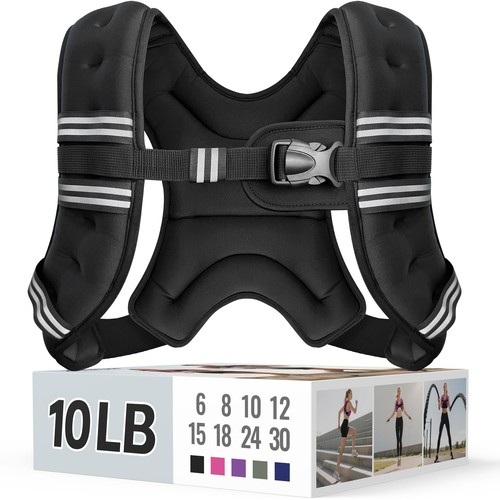
For example, a 10 lb vest adds 10 pounds to your total body weight, but you’ll barely notice it when walking or squatting—your legs and core take the brunt, not your wrists or ankles. A pair of 2.5 lb ankle weights may sound light, but on your lower legs, they create significant torque with each step, making even basic movements much tougher on your knees and hips.
Choose the right tool for your workout style
Your intended use should drive your choice. Weighted vests are ideal for exercises that involve the whole body or large muscle groups: walking, running, hiking, bodyweight squats, lunges, or even push-ups. They’re also the default recommendation for people looking to increase calorie burn or bone-loading safely in daily movement, since the load is central and doesn’t disrupt your natural gait.
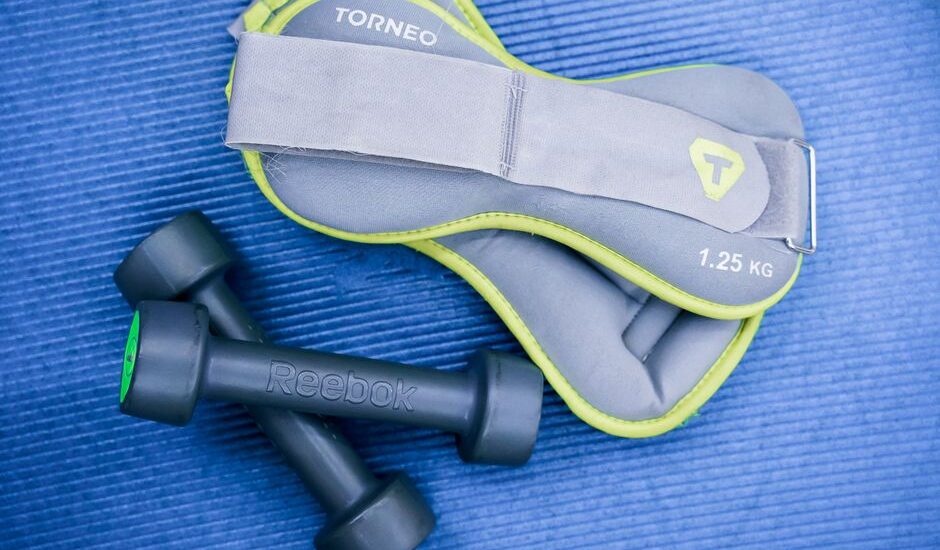
Wrist and ankle weights, on the other hand, shine in targeted strength or rehab work. Want to make arm raises, leg lifts, or physical therapy routines more challenging? Small increments of weight at the ends of your limbs can provide just enough resistance to fatigue specific muscles without overloading your whole body. However, they’re generally not recommended for running or long walks, as they can strain joints and alter your movement patterns in ways that increase injury risk.
How the options compare: Weighted vest vs wrist and ankle weights
| Category | Typical Weight Range | Primary Use | Impact on Joints | Adjustability | Price |
|---|---|---|---|---|---|
| Weighted Vest | 10–60 lbs | Full-body conditioning, walking, calisthenics | Lower (load is central) | Often adjustable in 2–5 lb increments | $$–$$$ |
| Ankle Weights | 1–10 lbs per pair | Leg lifts, rehab, low-impact strength | Higher (stress on knees, hips) | Some models adjustable, but usually fixed | $–$$ |
| Wrist Weights | 0.5–5 lbs per pair | Arm raises, light cardio, rehab | Higher (stress on wrists, elbows) | Mostly fixed; few adjustable options | $–$$ |
$ / $$ / $$$ indicates budget / mid-range / premium relative to the picks above. Check live listings further down for current prices.
Dial in the right weight: What numbers actually matter?
For weighted vests, most users start with 5–10% of their body weight. For example, a 150 lb person would use a 10–15 lb vest for walking or bodyweight training. Vests with removable weights (usually in 2–5 lb increments) offer more flexibility, letting you fine-tune the challenge as you progress or switch activities. Some vests go up to 60 lbs, but anything above 20–30 lbs is typically reserved for advanced strength training, not casual use.
Ankle and wrist weights rarely exceed 5 lbs per limb—and for good reason. Even at 2–3 lbs, the leverage effect on joints is substantial. For rehab or targeted strength, start with 1–2 lbs and only increase if you can maintain perfect form. Using heavier weights on your wrists or ankles for dynamic movements (like running) is not recommended, as it can increase injury risk.
Always prioritize control and comfort over maximum weight. If a product doesn’t specify the exact weight per piece (not just the total set), that’s a red flag. You want to know exactly how much resistance you’re adding, especially for limb weights.
See what’s available
Not all weighted vests or limb weights are created equal. For versatile training, look for vests with weight pockets allowing at least 10–20 lbs of adjustment. For ankle and wrist weights, choose models with secure closures (Velcro or buckle) and soft, sweat-resistant materials. Check current prices to see which options offer adjustable weights and comfortable fits in your price range.
Don’t make these mistakes: Common pitfalls when choosing your weight
It’s easy to overestimate how much extra weight you need. Jumping straight to a 20 lb vest or 5 lb ankle weights can lead to poor form, joint pain, or even acute injury. Many buyers also overlook fit—vests that shift or bounce, or limb weights that slide around, can cause chafing or restrict circulation. Always check the actual dimensions and user-adjustable features before buying.
Another common error: using ankle or wrist weights for high-impact cardio, thinking it will boost calorie burn. Instead, it often just stresses your knees or elbows. Save limb weights for controlled strength moves or rehab; use a vest for loaded walking or bodyweight training.
Related Guides
- Weighted Vest vs Wrist and Ankle Weights: Which Is Right for Your Workout?
- Weighted Blankets for Anxiety: What to Look For and Our Top Picks
- Ankle Braces vs Compression Socks: What’s the Real Difference?
- Weighted Blanket vs Cooling Blanket: Which Is Right for You?
- Weighted Blankets for Kids: What Parents Need to Know Before Buying
Red flags in listings to walk past
- No stated weight per piece: Some listings only mention the combined total weight for a set, hiding the actual weight of each vest, wrist, or ankle piece. This makes it impossible to know what you’re really buying.
- “One size fits all” claims: Weighted vests or limb weights marketed as universal often fit poorly, either sagging or pinching. Look for specific sizing or adjustable straps.
- Unbranded stock photos: Product images that don’t show real people using the weights—or use obvious stock photos—can signal a drop-shipper with generic, low-quality goods.
- No closure detail: Listings that don’t specify how the weights attach (Velcro, buckles, etc.) often hide poor design. Secure closures are essential for comfort and safety, especially during movement.
- No mention of materials: If the product description doesn’t state what the vest or weights are made of (e.g., neoprene, nylon, iron shot), you may end up with uncomfortable, sweat-absorbing, or even leaky gear.
Affiliate picks: Compare today’s deals
If you want the most flexibility, opt for an adjustable weighted vest with removable weights and a padded, sweat-resistant liner. For limb weights, prioritize those with double-closure straps and a weight range that starts at 1 lb per piece. Compare today’s deals to find models that match your workout needs and budget.
Clinical context: What the research says about safety and effectiveness
Peer-reviewed research consistently finds that weighted vests can increase energy expenditure and bone-loading during walking or stair climbing, making them a popular tool for both fitness and osteoporosis prevention. However, studies also show that using wrist or ankle weights during aerobic exercise tends to increase joint stress—especially at the knee and elbow—without significantly boosting calorie burn compared to vests or unweighted movement.
One major exercise science journal notes that limb weights are best reserved for slow, controlled strength moves or rehabilitation, not dynamic activity. For most people, a properly-fitted weighted vest is safer and more versatile for general fitness, while limb weights fill a niche for targeted strengthening under supervision.
View options
If you’re ready to add resistance to your routine, focus on fit, adjustability, and comfort. View options to see which weighted vests or limb weights offer the most user-friendly features and reliable build quality.
FAQ: Real answers about weighted vests vs wrist and ankle weights
How much weight should I start with in a vest or limb weights?
For vests, most people start with 5–10% of their body weight (e.g., 10–15 lbs for a 150 lb person). For ankle or wrist weights, 1–2 lbs per limb is usually enough for most strength or rehab routines. Always prioritize form and comfort over maximum load.
Are ankle weights or a vest better for walking?
A weighted vest is usually the better choice for walking. It distributes weight centrally, minimizing stress on your knees and hips. Ankle weights can increase joint strain and risk of injury when used for extended walking or running.
Can I use wrist or ankle weights for running?
It’s generally not recommended. The extra weight on your extremities increases torque on your joints and can alter your natural movement, raising the risk of injury. For running, a light weighted vest is a safer way to add resistance.
How long does a typical weighted vest or ankle weight last?
With regular use, a quality weighted vest or pair of limb weights can last 2–5 years. Longevity depends on materials (nylon and neoprene last longer than cheap cotton), closure system, and how often you wash or adjust them.
Which is better for bone health: weighted vest or ankle weights?
A weighted vest is generally superior for bone-loading activities like walking or stair climbing. It allows you to add meaningful resistance in a way that loads your spine and hips, which is important for maintaining bone strength.
What should I check before buying to ensure a good fit?
Look for clear sizing information and adjustable straps or closures. For vests, ensure the weight pockets are evenly distributed and the vest doesn’t ride up or restrict breathing. For limb weights, check that the strap system prevents slipping and doesn’t cut into your skin.
Is there a warranty or return policy to look for?
Most reputable sellers offer a 30–90 day return window and some form of product warranty. Avoid buying from listings that offer no returns or warranty, as this often signals lower build quality or poor customer support.
Bottom line: Which should you choose?
If your goal is to safely increase the challenge of walking, hiking, or full-body strength work, a weighted vest with adjustable load is almost always the best investment. For targeted rehab or arm/leg strengthening, light wrist or ankle weights have their place—but only in small increments and with controlled movements. Don’t be tempted by the highest weight or lowest price; prioritize fit, adjustability, and how the load will actually affect your body. The right choice will help you train harder, not just heavier.


Last updated: July 2026 · About our research