8 min read
Disclosure: As an Amazon Associate and eBay Partner Network publisher, we earn from qualifying purchases. This doesn’t affect what we recommend or how we describe it.
Weighted blankets for anxiety are not one-size-fits-all. If you’re an anxious sleeper looking for the most established name in the space, a college student on a tight budget, or someone who wants plush, hotel-level comfort, the right blanket makes a real difference. The five options below span a wide range of materials, weights, and price tiers—each with strengths for a different kind of buyer.
Top picks at a glance
- Gravity Weighted Blanket 15 lb Cotton — the most established brand option
- YNM Weighted Blanket 68 x 48 Inches — the best-known budget alternative
- Calmforter Weighted Comfort Blanket — the plush comfort-focused pick
- Hammacher Anxiety Relieving Weighted Body Blanket Large 16 lb — the heavy-duty premium choice
How these weighted blankets compare at a glance

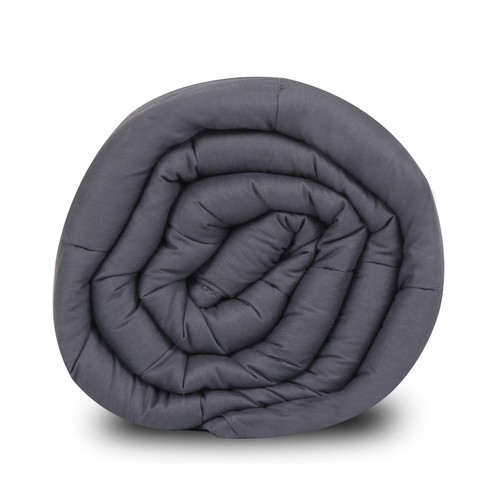
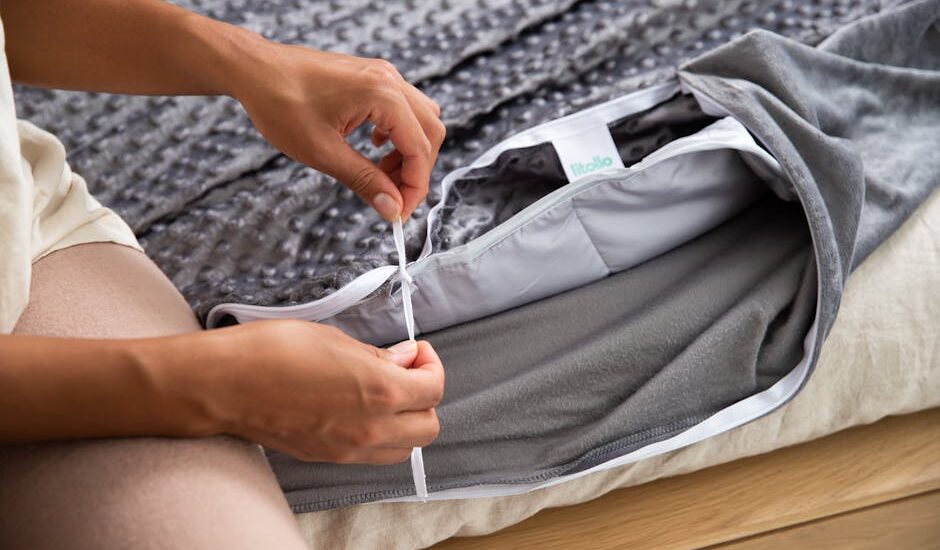
Pictured: Gravity 15 lb
| Product | Condition | Price | Best For | Weight | Material/Feel |
|---|---|---|---|---|---|
| Gravity Weighted Blanket 15 lb Cotton |
New With Tags | $ | Established brand, classic cotton | 15 lb | 100% Cotton cover |
 YNM Weighted Blanket 68 x 48 Inches YNM Weighted Blanket 68 x 48 Inches |
Pre-Owned | $$ | Budget-friendly, larger coverage | — | — |
 Calmforter Weighted Comfort Blanket Calmforter Weighted Comfort Blanket |
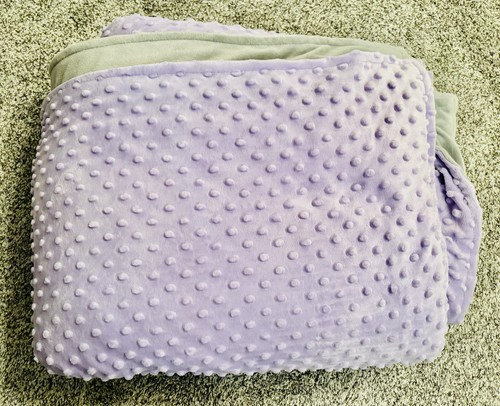
Pre-Owned | $$$ | Plush, comfort-focused | — | Plush, soft fabric |
 Hammacher Anxiety Relieving Weighted Body Blanket Large 16 lb Hammacher Anxiety Relieving Weighted Body Blanket Large 16 lb |
New Without Tags | $$ | Heavier, premium feel | 16 lb | Large size, premium build |
 Tranquility 12 Pound Weighted Blanket Tranquility 12 Pound Weighted Blanket |
New With Tags | $ | Entry-level, lowest price | 12 lb | — |
Pricing context: $, $$, and $$$ are relative ratings against the other products listed above, not absolute dollar ranges. Live current prices follow below.
Related Guides
Finding the right weighted blanket for your needs
The differences between these weighted blankets go beyond simple weight. Each brand targets a specific kind of user, and the material, size, and intended feel all influence which one suits you best.
- Gravity 15 lb: If you want the original, well-known weighted blanket experience, the Gravity Weighted Blanket 15 lb Cotton is the most established name in the category. Its 15-pound weight is a middle ground that works for most adults, and the cotton cover appeals if you prefer a cooler, breathable feel. This is a blanket you can leave on the bed year-round without worrying about overheating.
- YNM blanket: The YNM Weighted Blanket 68 x 48 Inches is a step up in size compared to most budget options, making it a strong pick for anyone who wants more coverage (such as restless sleepers or those who toss and turn). While the exact weight isn’t specified here, YNM is known for a wide range of options, and the pre-owned status keeps the price reasonable.
- Calmforter blanket: The Calmforter Weighted Comfort Blanket is the plushest option on this list. If you’re looking for a blanket that feels almost like a luxury comforter—soft, cozy, and substantial—this is where to start. The price reflects its premium materials and comfort-focused design.
- Hammacher weighted blanket: At 16 pounds and with a large body size, the Hammacher Anxiety Relieving Weighted Body Blanket Large 16 lb is the best match for users who want a heavier, more enveloping experience. The premium build and new-without-tags condition make it a strong contender for long-term use.
- Tranquility 12 lb: The Tranquility 12 Pound Weighted Blanket is the most affordable way to try a weighted blanket from a recognized brand. At 12 pounds, it suits lighter adults, teens, or anyone who wants a gentle introduction to weighted sleep.
What sets each brand apart?
The Gravity 15 lb and Tranquility 12 lb are both new with tags, offering peace of mind if you prefer unused bedding. The Gravity blanket’s cotton shell is ideal if you sleep hot, while Tranquility is best for those watching every dollar. In contrast, the Calmforter blanket stands out for plushness—its comfort-focused build is designed to mimic a high-end comforter, which matters if you prioritize tactile softness over breathability.
The YNM blanket’s larger 68 x 48 inch dimensions mean better coverage for people who move around at night or want to share. Hammacher’s 16 lb option is the heaviest listed, so if you want the deepest pressure (often preferred by larger adults or those seeking a more enveloping feel), it’s the clear winner on weight alone.
Why weight and material matter for anxiety relief
Research into weighted blankets suggests that the sensation of deep pressure stimulation—essentially, evenly distributed weight—can help some people feel calmer and sleep more soundly. While no blanket can treat anxiety on its own, many users report that the right weight (often 7-12% of body weight) feels comforting, not restrictive. For more on the science behind this, see the Anxiety and Depression Association of America.
Material plays a role as well. Cotton covers (like the Gravity 15 lb) are cooler and wick moisture better, while plush fabrics (like the Calmforter blanket) provide a cozier, warmer feel. If you sleep hot, steer toward cotton or lighter weights. If you crave warmth and softness, plush and higher weights make sense.
How we selected these weighted blankets
For this guide, selection focused on five key criteria: brand recognition (to ensure a baseline of quality and consumer trust), available weight (12-16 lb, which covers the most common adult needs), cover material (cotton for breathability, plush for coziness), overall size (standard single to larger body coverage), and price tier. Each blanket listed here is a named, recognizable product with a clear track record or a distinct value proposition.
We compared manufacturer specs, listed features, and market positioning. Pre-owned options were included if the brand is well-known and the listing is in good enough condition to be comparable to new. Excluded: unbranded weighted blankets, listings with missing or unclear specs, and any bundle deals that might obscure the core product. If you have severe sensory sensitivities, allergies to certain fabrics, or need a machine-washable option for daily use, these picks may not be ideal—look for hypoallergenic or specialty medical-grade options instead.
Total cost of ownership
Weighted blankets are a one-time purchase for most users, but a few hidden costs can add up over time:
- Replacement covers: If your blanket doesn’t have a removable cover (or if you want a spare), expect to spend $20–$40 annually for a quality replacement, especially for cotton or plush fabrics.
- Washing and care: Most weighted blankets are not machine-dryable. Professional laundering or extra trips to a laundromat can run $5–$15 per wash if your home machine isn’t up to the task.
- Wear and tear: With nightly use, internal stitching or weighted fill can shift, especially in pre-owned or lower-cost models. Repairs or eventual replacement may be needed every 2–4 years.
- Accessories: Some users add a duvet cover for easier washing or to match room decor—plan on $15–$30 for a decent one.
These costs are generally low compared to the initial outlay, but worth factoring in if you want your blanket to last or stay looking new.
FAQ: Smart questions about weighted blankets for anxiety
How much weight should I choose for a weighted blanket?
Most research and manufacturer guidance suggests a blanket that is roughly 7–12% of your body weight. For adults, this often means 12–15 pounds, but preferences vary—some find lighter or heavier blankets more comfortable. If you’re between sizes, start on the lighter side to avoid feeling restricted.
Is the Gravity 15 lb better than the Tranquility 12 lb for hot sleepers?
Yes, if breathability is your top concern, the Gravity 15 lb’s cotton cover is more likely to stay cool and wick moisture, while the Tranquility 12 lb’s material is less specified and may sleep warmer. Both are affordable, but Gravity’s established name and material give it an edge for hot sleepers.
Can I machine wash these blankets?
Many weighted blankets can be spot cleaned, but full machine washing depends on the size and your washer’s capacity. Smaller weights (like 12 lb) may fit in a standard machine, while heavier options (15–16 lb) often require commercial washers. Always check the care tag before washing.
Are pre-owned weighted blankets a good value?
Pre-owned options like the YNM blanket or Calmforter blanket can offer significant savings, especially for premium brands. However, check for signs of wear, shifting fill, or missing covers—these can affect comfort and longevity. New with tags options provide more peace of mind but at a higher price.
How long does a weighted blanket typically last with regular use?
A well-made weighted blanket should last 2–4 years with nightly use, longer if rotated or used less frequently. Stitching and fill material are common failure points over time, especially if the blanket is washed often or exposed to heavy wear.
Do weighted blankets actually help with anxiety?
While many people report feeling calmer and sleeping better under a weighted blanket, results are individual and not guaranteed. Clinical studies suggest a modest benefit for some users, likely due to deep pressure stimulation’s calming effect. For in-depth information, see the Mental Health Foundation. Weighted blankets are not a replacement for professional anxiety treatment.
The bottom line: Who should choose which weighted blanket?
If you want the classic, most trusted experience, the Gravity 15 lb is the safest bet. For maximum plush comfort, the Calmforter blanket is unmatched. The Hammacher weighted blanket is the go-to for those seeking the heaviest, most premium feel, while the YNM blanket offers budget-friendly, larger coverage. The Tranquility 12 lb is ideal for those on a tight budget or anyone lighter in weight. Always match blanket weight and fabric to your personal preferences—and consider ongoing care costs to get the most value from your purchase.
Ready to compare more options or check current deals? Browse all weighted blankets for anxiety.
Last updated: July 2026 · Editorial standards