
8 min read
Disclosure: As an Amazon Associate and eBay Partner Network publisher, we earn from qualifying purchases. This doesn’t affect what we recommend or how we describe it.
You’re standing in a gym, staring at a row of exercise bikes. On the left: a classic upright bike, with a narrow seat and pedals right below you. On the right: a recumbent bike, with a wide chair-like seat and pedals way out in front. Both promise a solid cardio workout — but which one actually fits your body, your goals, and your living room? This guide breaks down the real-world differences between upright and recumbent bikes, cutting past the marketing fluff to help you make a decision you’ll actually be happy with six months from now.
Upright vs Recumbent: What Actually Changes Your Workout?
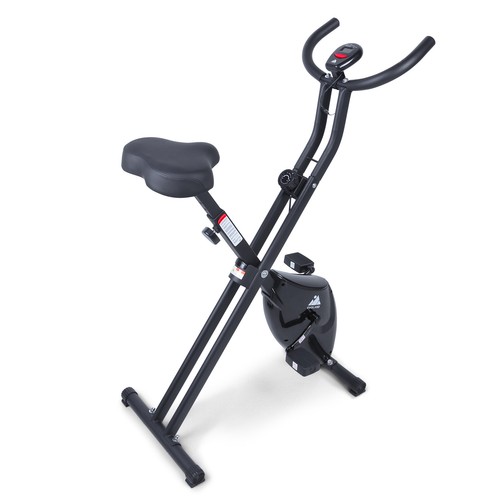
The distinction between upright and recumbent bikes isn’t just about comfort or aesthetics. The design of each bike changes how your muscles are engaged, the stress on your joints, the calories you burn, and even how likely you are to stick with your routine. Upright bikes position your body similarly to a traditional bicycle: seat above pedals, torso leaning slightly forward, hands on handlebars. Recumbent bikes shift you into a reclined position, with a backrest and pedals in front of your hips.
This shift in posture isn’t cosmetic — it translates to real biomechanical differences. Upright bikes tend to work your core and upper body more, mimicking the balance and muscle engagement of outdoor cycling. Recumbent bikes, in contrast, focus almost exclusively on the lower body and minimize load on the lower back and wrists. The right choice comes down to your priorities: intensity, joint health, comfort, or space constraints.
How the Two Bike Types Compare Side by Side
| Category | Body Position | Muscle Emphasis | Typical Footprint | Weight Capacity (lbs) | Price |
|---|---|---|---|---|---|
| Upright Bike | Vertical, slight forward lean | Quads, glutes, core, some upper body | 3.5-4.5 ft x 1.5-2 ft | 250–350 | $$ |
| Recumbent Bike | Reclined, supported back | Quads, glutes, hamstrings (lower body only) | 5-6 ft x 2-2.5 ft | 275–400 | $$$ |
Pricing key: $ marks the budget tier, $$ the mid-range, $$$ the premium picks. Tiers are relative to the products in this comparison; actual prices update live below.
Which Muscles Work Harder on Each Bike?
Upright bikes engage a wider range of muscles. Because you support your upper body with your arms and core, you’ll feel extra activation in your abdominal muscles and lower back. Standing on the pedals — possible on most upright models — further increases quad, glute, and calf recruitment, approaching the effort of actual cycling or spin classes. Expect your heart rate to climb faster at the same resistance level compared to a recumbent.
Recumbent bikes isolate the lower body. The seat and backrest support your torso, removing core stabilization from the equation. Pedaling in the horizontal plane shifts emphasis to your quadriceps and hamstrings, with less involvement from your calves. For those with lower back or wrist discomfort, this setup minimizes potential pain triggers. But if you’re chasing maximum calorie burn or functional core strength, the upright has a clear edge.
Compare today’s dealsComfort and Accessibility: Who Benefits Most from Each Bike?
Recumbent bikes are often recommended for people with limited mobility, chronic back pain, or balance issues. The wide, bucket-style seat (typically 16-24 inches across) and low step-through height make getting on and off far easier than with an upright. The reclined position also reduces pressure on the tailbone and wrists, a common complaint with narrow upright seats.
However, upright bikes take up less floor space and can be tucked into tighter rooms. If you’re short on square footage, a compact upright (as little as 3.5 feet long) may be the only option. Many upright models also offer a broader range of resistance levels (up to 25+ settings), which is ideal for interval training or higher-intensity rides.
See what’s availableSpace, Noise, and Maintenance: Practical Realities at Home
Recumbent bikes are longer — most require at least 5 feet of length, versus 3.5 to 4.5 feet for typical uprights. Their wider frame (often 2 feet or more) also means you’ll need a clear area around the bike to safely get on and off. Upright bikes, with their smaller footprint, can often fit in bedrooms or smaller apartments where a recumbent simply won’t go.
Both types run quietly if they use magnetic resistance (the norm for quality models), but upright bikes with fan-based resistance can generate 60–70 dB — roughly the sound of a conversation. Maintenance is similar: check the drive belt every 12–18 months and tighten pedals as needed. Recumbent bikes, with more moving seat parts, may require occasional lubrication of the seat-slider rails.
Check current pricesRelated Guides
- Upright vs Recumbent Bike: Key Differences Explained
- Elliptical Machine vs Recumbent Bike: Which Is Better?
- Ankle Braces vs Compression Socks: What’s the Real Difference?
- Elliptical Bike vs Air Bike: Which Cardio Machine Is Right for You?
- Our guide to Humidifiers vs Dehumidifiers: What’s the Real Difference?
- Resistance Bands vs Tubes: What’s the Real Difference for Your Workout?
Clinical Perspective: Joint Impact and Safety Concerns
For users with osteoarthritis, knee replacements, or spinal issues, recumbent bikes are often considered safer due to the reclined posture and reduced joint loading. A leading sports medicine authority notes that recumbent designs help minimize lumbar strain and allow those with balance problems to exercise with lower risk of falls. Upright bikes, while still low-impact compared to treadmills, can stress the lower back and wrists — especially if the seat or handlebars are misadjusted.
One caveat: recumbent bikes can encourage a slouched posture if the backrest isn’t properly adjusted, which may aggravate certain hip or back conditions. Upright bikes, if set up with good ergonomics (seat height at hip level, knees slightly bent at bottom of pedal stroke), can be used safely by most healthy adults. Always check with a physical therapist if you have active injuries or significant mobility limitations.
Common mistakes to avoid
- Underestimating the space required for a recumbent bike — many buyers find their chosen model can’t fit through doorways or in their intended room.
- Choosing an upright bike with a seat that’s too narrow or unpadded, leading to discomfort and poor adherence after a few sessions.
- Ignoring weight capacity — exceeding the posted limit (typically 250–400 lbs) can damage the frame or void the warranty.
- Neglecting adjustability — a bike without enough seat or handlebar range may force you into awkward positions, risking joint pain.
- Assuming all resistance systems are silent — fan-based uprights can be much noisier than magnetic-resistance recumbents, which matters in shared spaces.
Frequently Asked Questions
Which bike burns more calories: upright or recumbent?
Upright bikes generally burn more calories per hour because they engage your core and upper body, increasing overall effort. At moderate intensity, you might burn 400–600 calories per hour on an upright, compared to 350–500 on a recumbent, depending on body weight and resistance. However, the difference shrinks if you maintain the same heart rate and resistance.
How much space do I need for a recumbent bike?
Most recumbent bikes require a footprint of at least 5 feet by 2 feet, plus extra clearance for getting on and off safely. If you’re planning to use it in a small room, measure doorways and available floor area carefully before buying. Some larger models may need up to 6 feet in length.
Is an upright or recumbent bike better for knee problems?
Recumbent bikes are typically preferred for users with knee issues, as the reclined position reduces joint load and allows for a smoother, more controlled pedal motion. Upright bikes can be used safely with proper seat adjustment, but may aggravate pain if your form is off or resistance is too high. Always consult a healthcare provider if you have significant knee concerns.
Can I get a high-intensity workout on a recumbent bike?
Yes, but it requires more deliberate effort. Recumbent bikes can offer resistance levels up to 25 or more, but because you can’t stand on the pedals, maximum output is generally lower than with uprights. For interval training or simulated hill climbs, upright bikes offer more flexibility and intensity.
What is the average weight limit for these bikes?
Most upright bikes have weight limits between 250 and 350 lbs, while recumbent bikes often support 275 to 400 lbs due to their larger, more stable frame. Exceeding these limits can damage the bike and void warranties, so always check specifications before purchase.
Upright vs recumbent bike — which is better for seniors?
For most seniors, recumbent bikes are safer and more comfortable, thanks to the supportive seat, lower step-over height, and reduced risk of falling. Upright bikes can work well for active older adults with good balance and no significant joint pain, but may cause discomfort for those with back, hip, or wrist issues.
How often do these bikes need maintenance?
Both types are low-maintenance. Expect to check belt tension and lubricate moving parts every 12–18 months with regular use. Recumbent bikes with sliding seats may need periodic rail lubrication. Always follow the manufacturer’s maintenance schedule to maximize lifespan.
Bottom Line: Which Bike Makes Sense for You?
If you want a more intense, full-body workout with a smaller footprint, an upright bike is the better fit — provided you don’t have significant back or joint issues. If comfort, safety, and accessibility matter most, especially for longer rides or rehab, the recumbent bike is hard to beat. Either way, prioritize a model with the right adjustability, resistance range, and weight capacity for your needs. Measure your space, try both if possible, and choose the type you’ll actually use. That’s the difference that counts.


Last updated: July 2026 · Editorial standards