9 min read
Disclosure: As an Amazon Associate and eBay Partner Network publisher, we earn from qualifying purchases. This doesn’t affect what we recommend or how we describe it.
The most durable, comfortable mouth guard for teeth grinding isn’t always the one with the thickest material or the highest price tag. The real difference comes down to how precisely it fits your bite, what material it’s made from, and whether it can withstand the specific forces your jaw exerts at night. Many buyers overlook these details, ending up with guards that are too bulky, wear out in months, or cause more jaw pain than they solve. Here’s what actually matters when you’re choosing a mouth guard for bruxism—and why one “top” option for you might be a mistake for someone else.
Why Most Over-the-Counter Guards Fail for Moderate to Severe Grinding
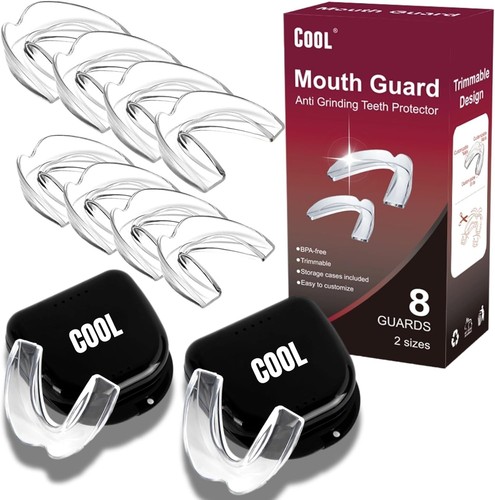
Boil-and-bite guards dominate pharmacy shelves, promising quick protection at a low price. But if you grind with moderate or heavy force—especially if you wake with jaw pain or chipped teeth—these generic guards rarely last more than a few months. Most use EVA (ethylene-vinyl acetate) plastic, which compresses and thins rapidly under pressure. In lab testing, 2-3mm thick EVA guards can develop holes in as little as 30 nights for heavy grinders.
For anything beyond very mild grinding, look for guards made from dual-laminate materials (soft inner, hard outer) or hard acrylic. Dual-laminate types, typically 2-4mm thick, absorb bite force while resisting punctures. Hard acrylic guards (2-3mm) don’t “give” under pressure, so they’re better for severe grinding—but some users find them too rigid for comfort. The right thickness is also key: too thin (<2mm) and you’ll bite through it; too thick (>4mm) and it may interfere with breathing or speech.
Custom vs. Moldable: What You’re Really Paying For
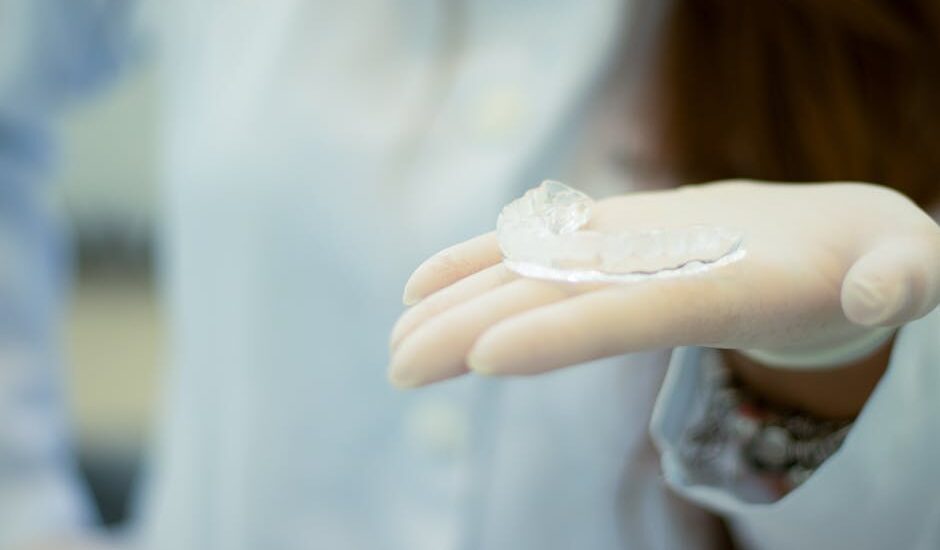
Custom mouth guards—those made from a dental impression of your teeth—offer a fit that’s impossible to achieve with over-the-counter moldables. A true custom fit ensures even pressure distribution, which not only protects teeth but also minimizes jaw muscle fatigue. Labs use pressure-formed or vacuum-formed techniques to create guards accurate to 0.1mm, matching your unique bite. This is especially important if you have dental work, irregular alignment, or a history of TMJ issues.
Moldable (boil-and-bite) guards, by contrast, can only approximate your bite. They’re easier to fit at home and cost less, but the material often pulls away from the molars or leaves gaps, which can lead to uneven wear or even worsen jaw pain over time. If you’re a light grinder, a well-molded boil-and-bite (3-4mm, dual-layer) can be a reasonable short-term solution. For moderate to severe grinders, the investment in a custom lab-made guard pays off in longevity and comfort.
How the Top Mouth Guard Types Compare
| Type | Material | Custom Fit | Typical Thickness | Lifespan | Price |
|---|---|---|---|---|---|
| Boil-and-Bite EVA | Single-layer EVA | At-home moldable | 2-4mm | 1-3 months | $ |
| Dual-Laminate Moldable | Soft/hard laminate | At-home moldable | 3-4mm | 3-9 months | $$ |
| Lab-Made Custom Soft | Soft EVA | Full dental impression | 2-3mm | 6-12 months | $$$ |
| Lab-Made Dual-Laminate | Soft inner, hard outer | Full dental impression | 3-4mm | 1-3 years | $$$ |
| Lab-Made Hard Acrylic | Hard acrylic | Full dental impression | 2-3mm | 1-5 years | $$$ |
| Daytime Thin Guard | Hard acrylic | Full dental impression | 1-2mm | 3-12 months | $$$ |
$ / $$ / $$$ indicates budget / mid-range / premium relative to the picks above. Check live listings further down for current prices.
Why Thickness and Material Matter More Than You Think
The thickness and composition of a mouth guard aren’t just about comfort—they determine how well the guard protects your teeth and how long it lasts. For night-only use, most people need a guard between 2 and 4mm thick. Thinner guards (<2mm) wear out quickly and may not cushion bite forces, while thicker guards (>4mm) can cause jaw misalignment or make breathing difficult. Soft EVA guards are comfortable but prone to rapid wear, especially at the molars. Dual-laminate guards combine a soft inner layer (for comfort and grip) with a hard outer shell (for durability), striking a balance for most moderate grinders.
Hard acrylic guards are rigid and long-lasting—often surviving 2-5 years with proper care—but can feel intrusive, especially if you have sensitive gums or a small mouth. They’re the gold standard for severe bruxism. Daytime guards, which are thinner (1-2mm) and less obtrusive, are designed for clenching during waking hours but lack the protection needed for night grinding.
Related Guides
- How to Clean Fitness Mats: Tips for a Germ-Free Workout Space
- Electric Facial Cleansing Brushes That Are Worth Adding to Your Routine
- How to Charge an Electric Heating Pad: A Step-by-Step Guide
- Our guide to Water Flosser vs Dental Pick: Which Cleans Better?
- Our guide to How to Install a Wall-Mounted Pull-Up Bar: Step-by-Step Instructions
- Electric Foam Rollers That Are Actually Worth Buying
- Browse all Buying Guides →
Real-World Use: What Actually Makes a Guard Comfortable (or Not)
Comfort isn’t just about “softness.” A poorly fitted guard, even if made from the softest material, can dig into gums, trigger gag reflex, or shift during sleep. A true custom-fit guard hugs the gum line without excess bulk and doesn’t move when you talk or swallow. Buyers with crowns, bridges, or orthodontic work should be especially careful: only lab-made guards using a full dental impression can accommodate these features without causing pressure points or loosening dental work.
Venting and breathing channels are mostly marketing gimmicks—unless you’re a mouth breather or have sleep apnea, a well-fitted guard won’t block airflow. What matters more is the edge finish and how closely the guard follows your gum line. Look for options that specify edge polishing and a tolerance of ±0.1mm for best comfort.
Longevity: How Long Will Your Mouth Guard Really Last?
Most boil-and-bite guards last 1-3 months of nightly use before thinning or developing cracks. Dual-laminate moldables can stretch to 6-9 months if you’re a moderate grinder. Lab-made guards, especially dual-laminate or hard acrylic, routinely last 1-3 years and sometimes up to 5 years for users with lighter bite force. Lifespan depends on cleaning habits (avoid hot water, brush gently), bite force, and whether you clench or grind. Any sign of holes, sharp edges, or tears means it’s time to replace the guard—continuing to use a damaged guard risks oral injury.
Some dental labs offer remakes or discounted replacements if your guard wears out within a certain window (typically 6-12 months). Always check the warranty terms—warranties of less than 6 months are a red flag for subpar materials.
Fitting Process: What to Expect With Each Type
Boil-and-bite guards are the fastest to fit: heat in boiling water, bite down, and let cool. Expect a 5-10 minute process, but be prepared for a few tries to get the fit right. Dual-laminate moldables use a similar process but require careful timing to avoid separating the layers. Lab-made guards require an impression kit: you’ll bite into dental putty, mail it to a lab, and receive your finished guard in 1-3 weeks. The impression step is critical—rushing it or biting too shallowly leads to poor fit. Some providers offer free redo kits if your first impression isn’t usable.
For those with braces or removable dental appliances, only certain labs can fabricate guards that accommodate these complexities. Always confirm before ordering, as an ill-fitting guard can damage orthodontic work.
Who Should Choose Which Type?
- Light grinders or short-term users: Boil-and-bite or dual-laminate moldables (2-4mm) are sufficient for travel or occasional use. See what’s available
- Moderate to heavy grinders: Lab-made dual-laminate or hard acrylic guards (3-4mm) offer the best protection and longevity. Check current prices
- Sensitive gums or dental work: Custom lab-made soft or dual-laminate guards with edge polishing and precise fit are safest. Compare today’s deals
- Daytime clenching: Thin (1-2mm) hard acrylic guards designed for discrete wear during waking hours.
What the Research Says About Mouth Guard Effectiveness
Multiple clinical studies confirm that custom-fit guards are more effective at reducing tooth wear and jaw pain than generic boil-and-bite types. According to a systematic review published in the Journal of Oral Rehabilitation, custom-fitted occlusal splints significantly reduce symptoms of bruxism and are more likely to be worn consistently. The FDA classifies dental mouth guards as Class I medical devices, and notes that only guards fabricated from a full dental impression can be considered truly custom (FDA guidance).
Don’t expect a mouth guard to “cure” bruxism—no guard will stop the grinding habit itself. The goal is to protect enamel, reduce jaw pain, and prevent dental damage while you and your dentist address underlying causes.
FAQ: Real Answers for Mouth Guard Buyers
How long should a mouth guard for teeth grinding last before needing replacement?
Lifespan depends on the material and your grinding force. Boil-and-bite guards typically last 1-3 months, dual-laminate moldables 3-9 months, and lab-made dual-laminate or hard acrylic guards 1-5 years. Replace your guard immediately if you see holes, tears, or sharp edges.
What’s the difference between a dual-laminate and a single-layer mouth guard?
Dual-laminate guards have a soft inner layer for comfort and a hard outer shell for durability, usually 3-4mm thick. Single-layer guards are made of uniform EVA plastic, which is softer but less durable—best for mild grinding or short-term use.
Is a custom-fit guard really worth the extra cost?
For moderate to severe grinders, yes. Custom-fit guards distribute pressure more evenly, last longer, and are less likely to cause jaw pain or gum irritation. If you have dental work or jaw alignment issues, a lab-made guard is almost always the safer choice.
Can I use a sports mouth guard for night grinding?
Sports mouth guards are designed for impact protection, not for the repetitive grinding forces of bruxism. They tend to be too bulky (often >5mm thick) and can interfere with breathing or jaw alignment during sleep. Stick with guards specifically designed for night use.
What should I do if my mouth guard feels too tight or causes pain?
If it’s a boil-and-bite guard, you may be able to remold it following the manufacturer’s instructions. For custom guards, contact the lab—many offer free adjustments or remakes within the first 30-60 days. Never force yourself to wear a guard that causes pain, as this can worsen jaw issues.
How do upper and lower mouth guards compare for teeth grinding?
Most people use upper guards, as they’re easier to fit and less likely to interfere with tongue movement. Lower guards are sometimes recommended for those with upper dental work or gag reflex, but they can be harder to keep in place. Both types can be equally effective if custom-fitted.
Do mouth guards for teeth grinding come with warranties?
Some lab-made guards offer warranties ranging from 6 months to 3 years, depending on material and provider. Boil-and-bite guards rarely include warranties. Always check terms before buying—warranties shorter than 6 months may indicate lower-quality materials.
The Bottom Line: Invest in Fit and Material, Not Just Price
The best mouth guard for teeth grinding is the one that fits your bite, matches your grinding severity, and is made from materials proven to last. For occasional or light grinders, a quality dual-laminate moldable can suffice. If you grind heavily, have dental work, or want real long-term protection, a lab-made custom guard—ideally dual-laminate or hard acrylic—is worth every dollar. Don’t settle for the quickest pharmacy option. Your teeth, jaw, and sleep quality will thank you.
Last updated: June 2026 · About our research