
9 min read
Disclosure: As an Amazon Associate and eBay Partner Network publisher, we earn from qualifying purchases. This doesn’t affect what we recommend or how we describe it.
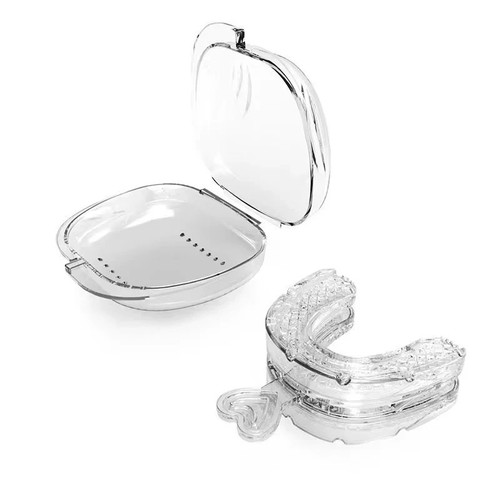
The single most important thing to know about sleep apnea mouthpieces is that not all devices work the same way — and choosing the wrong type for your mouth, breathing habits, or jaw shape can mean wasted money and sleepless nights. The two dominant categories, mandibular advancement devices (MADs) and tongue retaining devices (TRDs), address sleep apnea differently, come with distinct pros and cons, and vary widely in comfort, adjustability, and durability. This guide cuts through vague marketing claims to compare the top sleep apnea mouthpiece types, explain who each suits best, and detail the technical specs that actually matter for real-world use.
Why the type of mouthpiece matters more than the brand
For most people searching for the top sleep apnea mouthpieces, the real decision isn’t between one brand and another — it’s about which design approach matches your anatomy and sleep style. MADs physically shift your lower jaw forward to open your airway; TRDs hold your tongue in place to prevent it from blocking airflow. Both can work, but they feel radically different in your mouth, and not everyone can tolerate both types.
If you have significant dental work, loose teeth, or TMJ issues, some mouthpieces may be off-limits. If you breathe mostly through your mouth or nose, that also changes which style will be comfortable and effective. The wrong fit can mean jaw pain, dry mouth, or even making your sleep worse. Understanding these distinctions is the key to making a smart choice — not just picking the most-hyped option online.
How the main sleep apnea mouthpiece types compare
| Type | Best for | Breathing Compatibility | Adjustability | Lifespan (months) | Price |
|---|---|---|---|---|---|
| Custom-fit MAD | Long-term, high-comfort use | Mouth & nose | 0–10mm (1mm steps) | 12–36 | $$$ |
| Boil-and-bite MAD | First-time users, budget | Mouth & nose | 0–7mm (fixed or 1–2mm steps) | 6–12 | $ |
| TRD (tongue-retaining) | No teeth, dental work | Nose only | Minimal (suction strength) | 6–12 | $$ |
| Hybrid MAD-TRD | Mixed mouth/tongue blockage | Mouth & nose | 0–8mm (multi-point) | 12–24 | $$$ |
| Mini MAD | Smaller jaws, gag reflex | Mouth & nose | 0–5mm (fixed) | 6–12 | $$ |
Note on pricing: the $ symbols are relative tiers within this comparison — $ is the cheapest of the bunch, $$$ the priciest. Live listings (and exact prices) appear further on.
Which mouthpiece profile fits your needs?
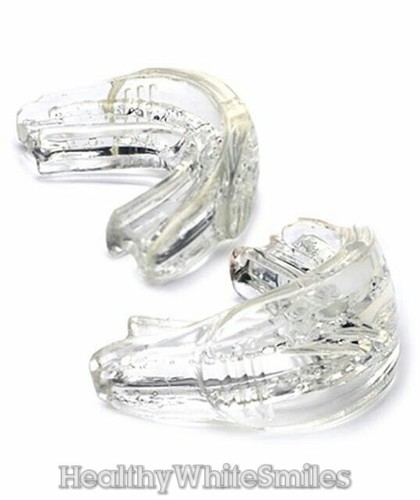
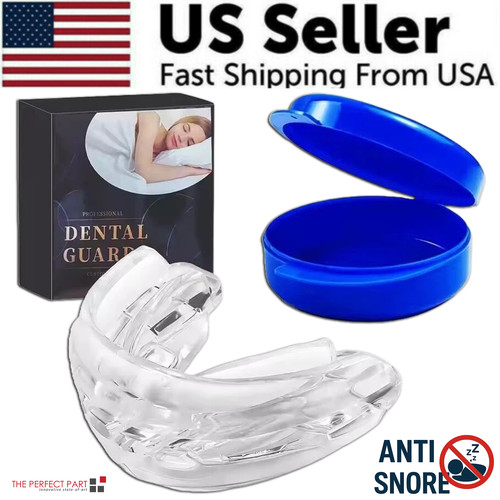
Most people with mild to moderate obstructive sleep apnea (OSA) start with a boil-and-bite mandibular advancement device (MAD) because it’s affordable, widely available, and easy to fit at home. These work by moving your lower jaw slightly forward — usually between 2 and 7mm, sometimes adjustable in 1mm increments — to keep your airway open. If you have dental crowns, bridges, or missing teeth, a tongue retaining device (TRD) is often safer, since it doesn’t rely on your teeth for anchoring. Instead, it gently holds your tongue forward using suction. TRDs are also a fallback for people who can’t tolerate the jaw pressure or bite changes of a MAD.
Custom-fit MADs, often made from dental impressions, offer the best comfort and durability — some last up to three years and can be adjusted in fine steps up to 10mm. They’re a significant investment but make sense for nightly, long-term use. Hybrid mouthpieces combine elements of both MADs and TRDs, aiming to address complex airway issues (like both tongue and jaw collapse), but tend to be bulkier and pricier. Mini MADs target users with smaller mouths or strong gag reflexes, trading off adjustability and lifespan for a slimmer profile.
Common pitfalls: what most buyers get wrong
One of the most frequent mistakes is buying a mouthpiece that isn’t compatible with your breathing pattern. TRDs require you to breathe through your nose — if you’re congested or have chronic nasal issues, they can be unusable. On the flip side, MADs can make mouth breathing easier but may dry out your mouth or worsen TMJ pain if you have jaw problems. Too many buyers also overlook adjustability: a non-adjustable device may seem cheap, but if you can’t dial in the jaw advancement, it’s more likely to be uncomfortable or ineffective.
Lifespan is another overlooked factor. Entry-level devices often need replacing every 6 to 12 months, especially if you grind your teeth or clean them aggressively. Custom-fit and hybrid options, although pricier upfront, can last 2–3 times longer. Don’t forget: even the best device is useless if it doesn’t fit your mouth. Ill-fitting mouthpieces are the top reason for early abandonment and wasted money.
Compare today’s dealsClinical realities: what the evidence actually says about effectiveness
Oral appliances — the umbrella term covering both MADs and TRDs — are well-established as a treatment for mild to moderate OSA, but they aren’t a cure-all. According to the American Academy of Dental Sleep Medicine, MADs reduce apnea episodes by 50% or more in about 60–70% of users with mild to moderate OSA. TRDs are effective for fewer people, but are invaluable for those who can’t use a MAD due to dental or jaw limitations. Both types are less effective for severe OSA, where CPAP remains the gold standard.
Comfort and long-term adherence matter as much as clinical efficacy. Studies show that users who can adjust their device in 1mm increments are more likely to stick with therapy and see real improvements in sleep quality, daytime alertness, and even blood pressure. If you’re struggling with side effects — jaw pain, dental movement, or excessive salivation — that’s a sign your device needs refitting or you should try another type.
View optionsSpecifications that actually matter
Jaw advancement range
This is the maximum distance (in millimeters) the device can move your lower jaw forward. Effective devices offer at least 5–10mm of advancement, ideally adjustable in 1mm steps. Too little movement may not open your airway enough; too much can cause pain or joint issues.
Breathing port size
If you’re a mouth breather, look for a device with a breathing port of at least 8–10mm diameter. Smaller ports can restrict airflow, especially if you have nasal congestion. Some devices are sealed (for nose breathers only), while others have large, open channels for mouth breathing.
Material thickness
The thinnest effective devices use 2–3mm thick medical-grade thermoplastics. Thicker mouthpieces (4mm or more) may feel bulky, especially for users with smaller jaws or sensitive gag reflexes. Thinner materials improve comfort but may wear out faster with heavy grinding.
Suction strength (TRDs)
For tongue retaining devices, suction strength determines how firmly your tongue is held in place. Look for adjustable suction (via bulb or slit opening) to avoid numbness or soreness. Too strong, and you’ll wake up with a sore tongue; too weak, and the device won’t work.
FDA clearance or certification
While not every mouthpiece is regulated, devices with FDA clearance for sleep apnea have met specific safety and efficacy standards. This is especially important for long-term use, as unregulated devices may use subpar materials or lack essential safety features.
Related Guides
- Sleep Apnea Mouthpieces That Actually Work
- Our guide to Adjustable Bed vs Wedge Pillow: Which Is Better for Better Sleep?
- Our guide to How to Clean CPAP Masks: A Practical Guide for Better Sleep Hygiene
- Our guide to Aromatherapy Diffusers for Better Sleep: Our Top Recommendations
- Can Light Therapy Glasses Improve Your Sleep?
Real-world use: fitting, cleaning, and side effects
Getting a good fit is the single most important factor in whether a sleep apnea mouthpiece works for you. Boil-and-bite models can be remolded 1–3 times, but custom-fit devices use dental impressions for precision. If you experience jaw soreness, headaches, or shifting teeth after a week of use, stop and consult a dentist. Cleaning is non-negotiable: most require daily rinsing and weekly deep cleaning with non-abrasive tablets. Skipping this step leads to bacteria buildup, foul odors, and faster material degradation.
Expect an adjustment period of 2–4 weeks. Mild drooling, sore teeth, or jaw fatigue are common at first but should fade. If side effects persist, it’s a signal to try a different advancement setting or switch to another profile. Never force a device to fit — this is the fastest route to dental damage or wasted money.
See what’s availableFrequently asked questions about sleep apnea mouthpieces
How long does a typical sleep apnea mouthpiece last?
Most boil-and-bite or TRD devices last 6–12 months with nightly use, while custom-fit and hybrid mouthpieces can last up to 2–3 years. Lifespan depends on cleaning habits, grinding, and material thickness — heavy bruxism can shorten any device’s usable life.
Can I use a sleep apnea mouthpiece if I have dental crowns or missing teeth?
TRD (tongue retaining) devices are generally safer for people with extensive dental work, loose teeth, or missing molars, since they don’t rely on your bite for stability. MADs require healthy teeth to anchor the device securely, so check with your dentist before using one.
Which is better for mouth breathers: MAD or TRD?
MADs are almost always the better choice for mouth breathers, as many include large breathing ports (8–10mm) to allow airflow even if your nose is congested. TRDs seal around the tongue and block mouth airflow, so they’re only suitable for people who can breathe comfortably through their nose.
How much jaw advancement is usually needed for effectiveness?
Clinical studies suggest that most users need at least 5mm of lower jaw advancement to see a significant reduction in apnea episodes. The ideal range is typically 5–10mm, but some people need more or less depending on their anatomy and severity of obstruction.
Are these mouthpieces covered by insurance or HSA/FSA accounts?
Custom-fit oral appliances prescribed by a dentist are sometimes covered by insurance or eligible for HSA/FSA reimbursement. Over-the-counter boil-and-bite or TRD devices usually are not, but check your specific plan for details before purchasing.
What should I do if my mouthpiece causes jaw pain or teeth shifting?
Persistent jaw pain or noticeable tooth movement is a red flag. Stop using the device and consult a dentist experienced in dental sleep medicine. You may need a different adjustment setting, a different device type, or a custom-fitted solution to avoid permanent damage.
The bottom line: match the mouthpiece to your anatomy, not the marketing
The best sleep apnea mouthpiece for you isn’t the one with the flashiest box or most aggressive claims — it’s the one that fits your mouth, matches your breathing style, and delivers enough adjustability to stay comfortable and effective over months of use. Start by deciding between MAD and TRD based on your dental health and how you breathe at night. Prioritize fit, adjustment range, and lifespan over hype. And if you’re unsure, consult a dentist familiar with dental sleep devices. A well-chosen mouthpiece can transform your nights, but the wrong one is just uncomfortable plastic in a drawer.

Last updated: July 2026 · About our research