9 min read
Disclosure: As an Amazon Associate and eBay Partner Network publisher, we earn from qualifying purchases. This doesn’t affect what we recommend or how we describe it.
Nighttime restlessness, light sleepers worn down by racing thoughts, and parents desperate for a smoother bedtime routine all converge on one question: does using an aromatherapy diffuser actually make a difference for sleep? For many, the answer hinges on more than just a pleasant scent — it’s about humidity, runtime, sound, and even how much light the device emits. If you’re searching for the best aromatherapy diffuser for sleep, the options are overwhelming, but the real distinctions come down to a handful of specs and details that most buying guides skip or gloss over.
What most buying guides get wrong about diffusers for sleep
Typical reviews focus on fragrance intensity or tank size, but for sleep, two features matter far more: runtime and light control. A diffuser that runs dry at 2 a.m. or blasts a bright LED can sabotage your sleep even if it fills the room with calming scents. Most models on the market quote a maximum runtime of 6–12 hours, but that’s often only on intermittent mode, and actual performance can vary by up to 20% based on room humidity and oil viscosity. Light output can also be an issue: many popular models default to a cycling color mode or a bright standby light, which can disrupt melatonin production. If you’re sensitive to light (and most people are, even if they don’t realize it), look for a diffuser with a true “lights-off” mode — not just a dim setting.
How the options compare — the real-world trade-offs
| Type | Best For | Max Runtime (hrs) | Water Capacity (ml) | Noise Level (dB) | Price |
|---|---|---|---|---|---|
| Large-capacity ultrasonic | All-night coverage, large bedrooms | 10–14 | 400–500 | 25–32 | $$$ |
| Compact ultrasonic | Small rooms, portable use | 4–8 | 80–150 | 28–36 | $ |
| Nebulizing (waterless) | Pure scent, quick saturation | 2–5 | — | 36–45 | $$$ |
| Evaporative fan-based | Immediate effect, minimal mist | 2–6 | 10–40 (pad or wick) | 35–50 | $$ |
| Hybrid humidifier-diffuser | Dry climates, added humidity | 8–24 | 500–1000 | 30–40 | $$$ |
Pricing key: $ marks the budget tier, $$ the mid-range, $$$ the premium picks. Tiers are relative to the products in this comparison; actual prices update live below.
Related Guides
- Our guide to Aromatherapy Diffusers for Better Sleep
- Adjustable Beds vs Wedge Pillows: Which Is Better for Better Sleep?
- Our guide to How to Clean CPAP Masks: A Practical Guide for Better Sleep Hygiene
- Our guide to Smart Sleep Masks With Bluetooth: What to Know Before You Buy
- Our guide to Portable Sleep Sound Machines for Restful Nights Anywhere
The spec almost nobody talks about: light output and sleep hygiene
Many diffusers double as nightlights, but for sleep, this is a double-edged sword. Blue and white LEDs, even at low brightness, suppress melatonin and can delay sleep onset by up to 30 minutes, according to Sleep Foundation research. If you’re sensitive to light, prioritize diffusers with a full “dark mode” or the ability to turn off all indicator lights. Some units require holding a button for several seconds to deactivate LEDs, so check that this feature is both present and easy to use. For children’s rooms, a gentle amber or red light (under 50 lux) is less disruptive, but total darkness is still best for deep sleep.
Why runtime and mist output matter more than tank size
The biggest tank isn’t always the best for sleep. What matters is whether the diffuser can maintain a steady output for 7–9 hours (a typical sleep cycle) without needing a refill. Ultrasonic models with a 400–500 ml tank usually run 10–14 hours on intermittent mode (30 seconds on, 30 seconds off), but only 6–8 hours on continuous. Nebulizers, which use pure oil without water, have shorter runtimes (2–5 hours), but deliver a much stronger scent. If you’re prone to waking up from dryness, a hybrid humidifier-diffuser with a 1-liter capacity can run up to 24 hours, but these units are bulkier and cost more. For most bedrooms, a true all-night diffuser means at least 300 ml capacity and a programmable shutoff timer.
Ultrasonic, nebulizing, or evaporative — which is best for sleep?
Ultrasonic diffusers are the most common, using high-frequency vibrations to disperse a fine mist. They’re quiet (typically 25–35 dB), energy-efficient, and double as mini-humidifiers. Their downside: mineral buildup can clog the disc, and they require regular cleaning (every 2–3 days for nightly use). Nebulizing diffusers skip water entirely, atomizing pure essential oil into the air. These deliver the strongest scent and avoid introducing humidity (useful if you live in a damp climate), but they’re louder (36–45 dB), burn through oil quickly, and cost more upfront. Evaporative diffusers use a fan to blow air over a pad or wick soaked in oil. They’re simple, with few parts to clean, but tend to be louder and deliver less consistent scent coverage overnight.
For most people, ultrasonic wins for sleep: it’s quiet, offers long runtimes, and provides a gentle mist that won’t overpower a small room. Nebulizers are best if you want pure, undiluted scent and don’t mind refilling oil frequently or a bit more noise. Evaporative models are rarely ideal for sleep unless you need something ultra-simple or travel-friendly.
Total cost of ownership
Sticker price is just one piece of the puzzle. Here’s what else you’ll pay for over a year of nightly use:
- Essential oils: High-quality sleep blends run $10–$25 per 15 ml bottle. With ultrasonic diffusers, expect to use 2–4 drops per night (one bottle lasts 2–3 months). Nebulizers use 10–20 drops per night, going through a bottle in 2–3 weeks.
- Replacement filters/discs: Ultrasonic models often need a new ceramic disc every 6–12 months ($8–$15 each). Hybrid units may require both disc and filter replacement.
- Cleaning supplies: Regular cleaning (every few days) is essential to prevent mold. White vinegar and cotton swabs add a few dollars a month, but skipping this risks device failure and health issues.
- Electricity: Ultrasonic diffusers draw 10–20 watts; running nightly adds up to about $2–$4/year on your power bill. Nebulizers and fan-based models are similar, but large humidifier combos can be higher.
- Accessory pads or wicks: Evaporative models require fresh pads every 2–4 weeks ($5–$10 per pack).
Factor these recurring costs into your buying decision — especially if you plan to use your diffuser every night for sleep.
Who benefits most from a sleep-focused diffuser?
Light sleepers, shift workers, and parents of young children are the most likely to see a difference from a well-chosen diffuser. For adults with dry nasal passages or mild snoring, the added humidity from an ultrasonic or hybrid device can be a real benefit. Those living in humid climates, or with asthma triggered by moisture, may fare better with a nebulizing model (no added water vapor). If you share a room, consider a diffuser with adjustable output so the scent isn’t overwhelming for others. And if you travel often, look for a compact ultrasonic or small evaporative model — both fit in a carry-on and have spill-resistant designs.
Common mistakes — and how to avoid them
Two missteps trip up most first-time buyers. First: underestimating cleaning. Any device that holds water is prone to mold and bacterial growth if not cleaned every few days. This isn’t just a maintenance hassle; it can directly impact your respiratory health and the device’s lifespan. Second: ignoring light and noise. Some diffusers hum or gurgle, and many have bright LEDs that can undo the benefits of a calming scent. Always check the decibel rating (aim for under 35 dB for sleep) and test the shutoff-light function before relying on the diffuser for nightly use.
Affiliate picks — which buying profile fits your sleep needs?
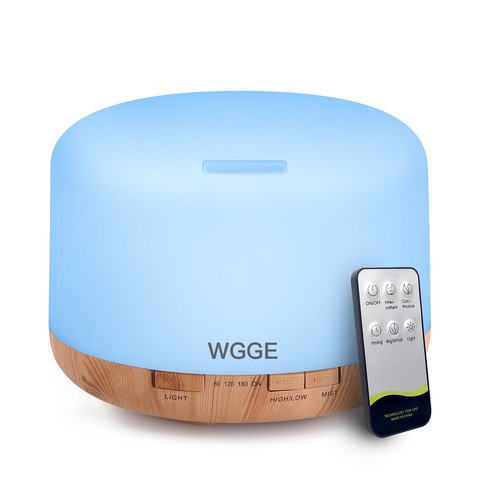
- All-night option for large bedrooms: Choose a large-capacity ultrasonic diffuser with a 400–500 ml tank and at least 10-hour intermittent runtime. Check current prices
- Pure scent, no humidity: Opt for a nebulizing (waterless) diffuser if you live in a damp area or want the strongest effect in a short time. View options
- Budget pick for small rooms: A compact ultrasonic model runs 4–8 hours and is easy to clean — ideal for single sleepers or travel. Compare today’s deals
FAQs — what real buyers ask about aromatherapy diffusers for sleep
How long should a diffuser run overnight for best sleep results?
For most adults, a runtime of 7–9 hours covers a full night’s sleep. Choose a diffuser with a timer and auto shut-off to avoid running dry before morning. Intermittent modes (on/off cycling) extend runtime and are often less overpowering than continuous mist.
Ultrasonic vs. nebulizing diffusers — which is better for sleep?
Ultrasonic diffusers are quieter (typically 25–35 dB), deliver a gentle mist, and add humidity, making them ideal for most bedrooms. Nebulizing diffusers provide a stronger scent without humidity but have shorter runtimes (2–5 hours) and run louder (36–45 dB). For all-night use and minimal disruption, ultrasonic usually wins for sleep.
Can the light on a diffuser disrupt sleep?
Yes — even dim blue or white LEDs can affect your body’s melatonin production and delay sleep onset. Look for models with a “lights-off” mode or the option to disable indicator lights completely. For maximum sleep quality, total darkness is best.
How often should I clean my diffuser if I use it every night?
Clean the water tank and internal components every 2–3 days for ultrasonic models to prevent mold and bacteria buildup. Nebulizing and evaporative models also require regular cleaning, though less frequently. Always follow the manufacturer’s instructions for safe and thorough cleaning.
What noise level is considered quiet enough for sleep?
Diffusers rated under 35 dB are generally quiet enough for most sleepers and comparable to a soft whisper. Anything above 40 dB can be noticeable in a silent bedroom, especially for light sleepers. Nebulizing and fan-based models tend to be louder than ultrasonic types.
Is there a warranty or return risk with most diffusers?
Most reputable diffusers offer a 1-year limited warranty, but coverage varies. Watch for return policies that require original packaging or have restocking fees. Frequent issues include pump failure, LED malfunction, and mineral buildup — check user reviews for patterns before buying.
Where to get more information on sleep and aromatherapy safety
For a deeper dive into the science behind essential oils, sleep, and device safety, see the National Center for Complementary and Integrative Health and their resources on aromatherapy. For practical sleep improvement tips, the Sleep Foundation offers research-backed advice and troubleshooting guides.
Bottom line: The best aromatherapy diffuser for sleep comes down to your sensitivity to light, sound, and humidity — not just tank size or scent strength. Prioritize a model with quiet operation (under 35 dB), true “lights-off” capability, and a runtime that matches your sleep schedule. If you get those right, you’ll wake up to more than just a nice-smelling bedroom — you’ll finally get the rest you need.



Last updated: June 2026 · About our research