Disclosure: As an Amazon Associate and eBay Partner Network publisher, we earn from qualifying purchases. This doesn’t affect what we recommend or how we describe it.
Key Differences in Mechanism and Application
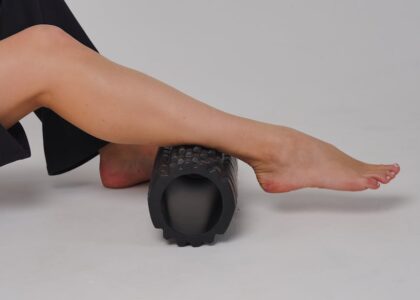
Percussion massagers and foam rollers are fundamentally different in their design and application. A percussion massager uses a motor to deliver rapid, targeted pulses to specific areas, providing deep-tissue stimulation. This can be particularly effective for breaking up knots and boosting circulation in localized spots. In contrast, a foam roller requires you to use your body weight to apply pressure, making it ideal for larger muscle groups and promoting overall flexibility.Shopping new with fast Prime shipping? Amazon usually has the best stock.
Shop on Amazon →How the Options Compare
| Feature | Percussion Massager | Foam Roller |
|---|---|---|
| Mechanism | Motorized, delivers rapid pulses | Manual, uses body weight for pressure |
| Target Areas | Specific, deep tissue areas | Broad muscle groups |
| Portability | Varies by model, generally portable | Highly portable, lightweight |
| Cost Range | Typically $100 – $400 | Typically $10 – $50 |
| Noise Level | Moderate to high, depending on model | Silent |
| Ease of Use | Requires minimal effort | Requires physical effort and technique |
Clinical Insights on Muscle Recovery
Percussion massagers and foam rollers have both been studied for their effects on muscle recovery. Percussion massagers, with their ability to deliver high-frequency pulses, are often recommended for reducing delayed onset muscle soreness (DOMS) post-exercise. Research indicates that the vibrations help increase blood flow, potentially speeding up recovery times. Foam rollers, on the other hand, are well-regarded for their ability to improve flexibility and reduce muscle stiffness. Studies suggest that regular use can increase range of motion and decrease muscle tightness over time.Choosing Based on Your Fitness Goals
Your choice between a percussion massager and a foam roller should align with your fitness goals and lifestyle. If your primary focus is on deep tissue relief and targeting specific muscle groups, a percussion massager might be the better choice. It’s particularly useful for athletes or individuals who engage in intense workouts and need precise recovery tools. Conversely, if you’re looking for a versatile, low-cost option to improve overall muscle flexibility and manage general soreness, a foam roller could be more suitable.Common Mistakes When Using These Tools
Using a percussion massager or foam roller incorrectly can lead to discomfort or even injury. For percussion massagers, avoid applying excessive pressure, especially around bony areas, as this can cause bruising. It’s essential to start with the lowest setting to gauge your comfort level. With foam rollers, a common mistake is rolling too quickly, which can reduce the effectiveness of the session. Instead, use slow, controlled movements and pause on tender spots to help release tension.Who Should Consider a Percussion Massager?
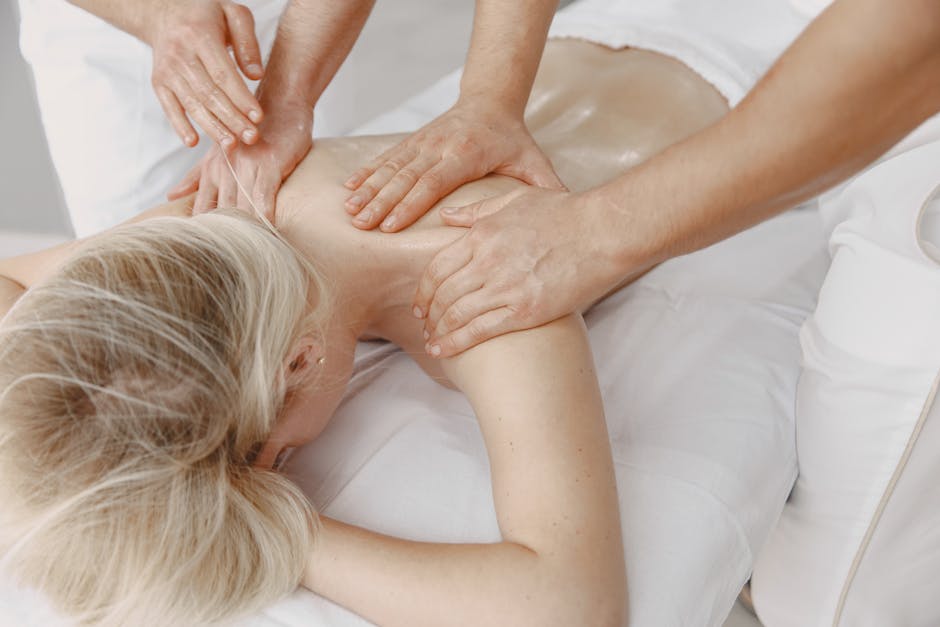
If you frequently experience deep muscle soreness or engage in high-intensity workouts, a percussion massager could be highly beneficial. It’s particularly effective for targeting specific problem areas, such as the lower back or shoulders, where knots tend to develop. Additionally, if you prefer a tool that requires minimal physical effort, the automated nature of percussion massagers makes them an attractive option.Who Should Consider a Foam Roller?
Foam rollers are ideal for individuals seeking an affordable, all-purpose tool for muscle maintenance. They’re particularly beneficial for beginners or those who incorporate yoga or pilates into their routines, as they help improve flexibility and balance. Foam rollers are also great for those who travel frequently, given their lightweight and portable nature.Related Guides
Shopping new with fast Prime shipping? Amazon usually has the best stock.
Compare Options on Amazon →FAQs About Percussion Massagers vs. Foam Rollers
Can a percussion massager replace a foam roller?
While a percussion massager can offer deep tissue relief similar to a foam roller, it doesn’t fully replace the benefits of rolling. Foam rollers provide a broader pressure that can aid in flexibility and overall muscle maintenance, which may not be as effectively achieved with a percussion massager alone.
Is it safe to use a percussion massager every day?
Generally, it’s safe to use a percussion massager daily, but it’s important to listen to your body. If you experience discomfort or bruising, consider reducing the frequency or intensity. Always start with the lowest setting and gradually increase as needed.
How long should I use a foam roller on each muscle group?
A typical foam rolling session should last about 1-2 minutes per muscle group, focusing on slow, controlled movements. Spending too long on a single area can lead to irritation or bruising, so it’s important to balance duration with comfort.
Do percussion massagers help with muscle recovery?
Yes, percussion massagers can aid in muscle recovery by increasing blood flow and reducing muscle tightness. They are particularly effective for addressing specific tension spots and can help alleviate soreness after intense physical activity.
Are foam rollers effective for lower back pain?
Foam rollers can be effective for relieving tension in the lower back, but caution is necessary. It’s crucial to avoid direct rolling on the spine; instead, focus on the muscles surrounding the lower back to alleviate discomfort.
What should I look for in a percussion massager?
When selecting a percussion massager, consider factors such as the amplitude (typically 10-16mm), speed settings (ranging from 1,200 to 3,200 RPM), battery life (at least 2-3 hours), and noise level (preferably under 60dB for quieter operation).
In conclusion, both percussion massagers and foam rollers have their place in a well-rounded muscle recovery routine. Your choice should reflect your specific needs, whether it’s deep tissue relief or broad muscle maintenance. By understanding the distinct benefits and limitations of each tool, you can make a decision that best supports your fitness journey. Check current prices or Compare today’s deals to find the option that suits you best.