Disclosure: As an Amazon Associate and eBay Partner Network publisher, we earn from qualifying purchases. This doesn’t affect what we recommend or how we describe it.
10 min read
Infrared saunas for home use promise spa-level relaxation and recovery, but the difference between a sweatbox and a daily habit you’ll actually use often comes down to details that rarely make it into product listings. The most important factor isn’t just “infrared” versus “traditional” — it’s the specific wavelength range, heater coverage, and how safely and comfortably the unit fits into your real living space. Before you spend thousands (or even hundreds) on a home infrared sauna, you need to know what specs actually impact your experience, which trade-offs matter, and which “premium” features are worth paying for — and which are just marketing.
What Sets Infrared Saunas Apart from Traditional Home Saunas
Infrared saunas use panels that emit infrared light (typically in the 600–1400nm range), which penetrates your skin and heats your body directly, rather than heating the air around you. This leads to lower air temperatures inside the cabin — typically 110–140°F (43–60°C) compared to 170–200°F (77–93°C) in conventional steam or rock saunas. For home users, this means you can stay inside longer, sweat more comfortably, and install a unit in spaces where high-heat, high-humidity setups would be impractical or unsafe.
But not all infrared saunas are created equal. The type of infrared (near, mid, far), the number and placement of heaters, and the actual cabin build quality all determine whether you get a gentle, even heat or end up with cold spots and a disappointing experience. And while marketing often touts “full spectrum” or “carbon panels,” the real differences are measurable — and not always in the ways you’d expect.
Amazon is the simplest path when you want the newest model, Prime shipping, and a no-questions-asked return window.
Shop Top-Rated Saunas →How the Top Home Infrared Sauna Profiles Compare
Below you’ll find a side-by-side comparison based on the most common buying priorities — from the budget single-seater to the full-featured multi-person sauna, and options tailored for portability or tech integration. This is not a list of brands, but a breakdown of what you can expect at each tier.
| Profile | Capacity | Heater Type & Coverage | Wavelength Range | Footprint (Typical) | Setup Ease | Price Range |
|---|---|---|---|---|---|---|
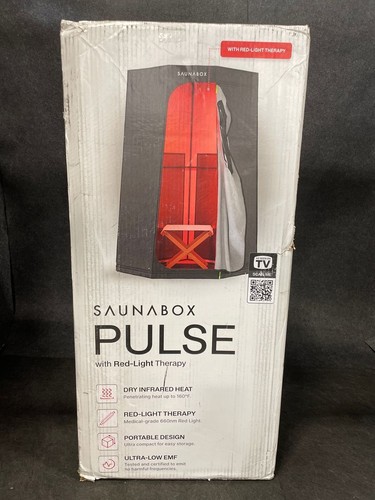
| Entry-level portable | 1 person (seated) | Carbon fiber, 3–5 panels | Far infrared (700–1200nm) | 32″ x 35″ x 40″ | 10–15 min, plug-in | $200–$400 |
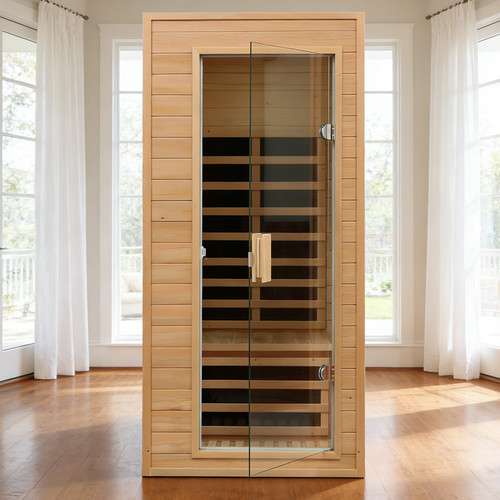
| Compact indoor cabin | 1–2 person (upright) | Carbon/ceramic, 5–8 panels | Far or full spectrum (650–1400nm) | 36″ x 40″ x 75″ | 1–2 hours, tools needed | $1,200–$2,500 |
| Full-featured 2–3 person | 2–3 person (upright) | Full spectrum, 8–12 panels (walls, floor, bench) | Near, mid, far (600–1400nm) | 60″ x 44″ x 75″ | 2–4 hours, 2-person assembly | $2,500–$4,500 |
| Tech-integrated/Smart | 1–2 person | Full spectrum, app controls, chromotherapy | Customizable (600–1400nm) | Varies, typically compact | 1–2 hours, app setup | $3,000–$6,000 |
| Outdoor-rated | 2–4 person | Ceramic/Carbon, weatherproof shell | Far infrared (800–1200nm) | 72″ x 50″ x 80″ | 4+ hours, pro install recommended | $4,000–$7,000 |
Infrared Wavelengths: What Matters for Home Use
Infrared is split into near (NIR, 700–1400nm), mid (MIR, 1400–3000nm), and far (FIR, 3000nm+). Most home saunas use far infrared, which is well-studied for inducing sweating at lower air temperatures. Some “full spectrum” models add near and mid-IR panels, which can penetrate slightly deeper into tissue — but the clinical evidence for additional benefits (like wound healing or pain relief) is still emerging and often overhyped in marketing.
If you’re mainly seeking relaxation, deep sweating, and cardiovascular effects, a sauna with strong, even far infrared output (700–1200nm) is typically sufficient. If muscle recovery or targeted pain relief is a priority, consider a model with at least some near-infrared output in the 800–950nm range. Be wary of units that advertise “full spectrum” without specifying the actual wavelengths or the number of panels dedicated to each type — the effect is only as good as the coverage and intensity.
Heater Placement and Coverage: Why It Changes the Experience
Panel placement determines whether you get a consistent, enveloping heat or end up with cold feet and a hot back. The minimum for a decent experience: panels on both side walls, the back wall, and (ideally) under the bench or at floor level. Some entry-level units skimp on floor or calf heaters, which means your lower body stays noticeably cooler, reducing the overall effect.
For two- and three-person cabins, look for at least 8–12 panels, with coverage on all sides and the floor. Multi-panel setups also reduce “hot spots” — areas where you feel uncomfortably close to a single high-output panel. Carbon fiber panels tend to provide a gentler, broader heat, while ceramic rods heat up faster but can create more localized intensity. The best units balance both, but carbon-dominant builds are usually more comfortable for long sessions.
Build Quality, EMF Levels, and Safety Considerations
Home infrared saunas should use hypoallergenic woods (often Canadian hemlock or cedar, both naturally mold-resistant), and all electrical components should be ETL or CE certified for safety. Low-EMF claims are common, but not all units are equal: look for independent test results showing EMF levels below 2 mG at the bench, not just at the panel surface. Higher EMF exposure isn’t proven harmful in short-term use, but if you’re sensitive or plan to use your sauna daily, this spec is worth checking.
Ventilation is another overlooked detail. A good infrared sauna includes adjustable vents and a door that seals well but doesn’t trap stale air. Poor venting leads to stuffiness, especially in smaller units. If you have respiratory sensitivities, prioritize models with easily cleanable vents and avoid units with heavy chemical finishes or synthetic glues.
Real-World Space and Power Requirements
Most single- and two-person infrared saunas run on standard 110–120V household outlets (drawing 1200–1800 watts), but three-person and outdoor units may require 240V or dedicated circuits. Always check your breaker capacity — a 15-amp circuit is usually sufficient for smaller units, but larger cabins can trip breakers if shared with other appliances.
Sauna footprints vary widely: a seated portable may fit in a large closet (about 32″ x 35″), while a 2–3 person cabin will need a dedicated 5′ x 4′ area with at least 80″ of ceiling clearance. Outdoor models require flat, weatherproof surfaces and should be at least 6″ from walls or fences for ventilation and maintenance access. Factor in assembly — some units require two people and a few hours, while portables set up in under 15 minutes.
Which Features Are Worth Paying For — And Which Aren’t
Chromotherapy (colored LED lights) and Bluetooth speakers are common add-ons, but only matter if you’ll actually use them. The more meaningful upgrades: adjustable temperature controls (preferably digital, with at least 1°F increments), timer functions, and removable benches for easier cleaning. Some tech-integrated models offer app-based scheduling and remote start, useful if you want your sauna preheated before you step in — but these features add hundreds to the price and sometimes complicate setup.
Warranty terms are another differentiator: look for at least 3 years on the heaters and electronics, and 5 years or more on the cabin shell. Shorter warranties often signal lower build quality. If EMF is a concern, check for independent reporting — not just “low EMF” claims.
Related Guides
- Infrared Heating Pads That Are Actually Worth Buying
- Air Purifiers vs Humidifiers: Which One Does Your Home Really Need?
- Infrared Thermometer vs Ear Thermometer: Which Is More Accurate?
- Top Electric Nail Files Worth Trying for Salon-Quality Results at Home
- Forehead vs Temple Infrared Thermometers: Which Is More Accurate?
- The Best Acupressure Mats Worth Trying for Home Wellness
- Browse all Buying Guides →
Common Mistakes First-Time Buyers Make
- Underestimating space: Many buyers assume a “two-person” sauna fits two adults comfortably; in reality, most are snug for one and tight for two. Always check the internal bench width (at least 45″ for two people to sit without bumping knees).
- Ignoring power needs: Plugging a 15-amp sauna into a circuit shared with a fridge or microwave will almost always trip the breaker.
- Chasing “full spectrum” without details: Units advertising all three IR types sometimes use small, underpowered NIR bulbs that add negligible benefit. Look for actual wattage and panel count for each wavelength.
- Neglecting EMF and build materials: Cheaper units may use plywood or MDF, which off-gas under heat. Solid wood is always preferable for health and longevity.
- Expecting “detox” miracles: Infrared saunas are excellent for relaxation and temporary relief from muscle soreness, but claims about heavy metal detox or dramatic weight loss are not supported by clinical evidence.
Who Should Choose Which Sauna Profile?
- Budget or small-space users: Entry-level portables work for occasional use but lack the full-body coverage and comfort of a cabin. Great for testing if sauna use fits your routine. Check current prices
- Apartment dwellers: Compact indoor cabins (1–2 person) balance space, performance, and ease of setup. Most run on standard outlets and fit in a spare room or large bathroom. View options
- Families or daily users: Full-featured 2–3 person cabins offer the best experience for regular use. The upfront cost is higher, but heater coverage, durability, and comfort justify it for frequent sessions. Compare today’s deals
- Tech enthusiasts: Smart saunas with app integration and custom light/heat settings appeal if you like data and automation. Only worth it if you’ll use these features regularly.
- Outdoor installations: Weatherproof models are necessary for patios or backyards. They require more setup and budget, but are the only safe option for year-round outdoor use.
Amazon is the simplest path when you want the newest model, Prime shipping, and a no-questions-asked return window.
Compare Options →Frequently Asked Questions About Home Infrared Saunas
What is the typical temperature range for a home infrared sauna?
Most home infrared saunas operate between 110°F and 140°F (43–60°C). This is lower than traditional saunas but still effective for inducing sweating and relaxation, thanks to the direct body heating effect of infrared wavelengths.
How much electricity does an infrared sauna use?
Single- and two-person infrared saunas typically draw 1200–1800 watts, or about the same as a hair dryer. If you use it for 30 minutes a day, expect around 0.6–0.9 kWh per session — roughly $0.10–$0.20 per use, depending on local rates.
Are low-EMF saunas really safer?
Low-EMF designs reduce your exposure to electromagnetic fields, which some users prefer for peace of mind. There’s no strong clinical evidence that typical sauna EMF levels are harmful, but if you’re sensitive or cautious, look for units independently tested below 2 mG at the bench.
Can I install a home infrared sauna in an apartment?
Yes, many compact saunas are designed for apartments and run on standard 110–120V outlets. Always check the dimensions and ensure you have enough ceiling clearance (at least 75″), and avoid models requiring special wiring unless your building allows electrical modifications.
How long does it take to assemble a home infrared sauna?
Portable units set up in about 10–15 minutes, while cabin-style saunas (1–3 person) typically take 1–4 hours with two people and basic tools. Larger outdoor models may require professional installation, especially if wiring upgrades are needed.
Do infrared saunas help with muscle recovery or pain?
Some studies suggest that regular infrared sauna use may support temporary relief from muscle soreness and joint stiffness. The benefits are most pronounced when sessions are consistent and the sauna provides even, full-body coverage. Always consult with your healthcare provider if you have underlying health conditions.
Is there a difference between carbon and ceramic heaters?
Yes. Carbon heaters provide a softer, more evenly distributed heat, ideal for longer sessions. Ceramic rods heat up faster and create more intense, localized warmth. Many mid- and high-end units use a mix of both for optimal comfort and efficiency.
Can I use a home infrared sauna every day?
Most home infrared saunas are designed for daily use, provided you stay hydrated and listen to your body. Daily sessions are common among enthusiasts, but it’s wise to start with shorter durations and gradually increase as tolerated. If you have any chronic medical conditions, consult a healthcare provider before establishing a daily routine.
How do I keep an infrared sauna clean and hygienic?
Wipe down benches and panels after each use with a damp cloth, and periodically deep clean with a mild, non-toxic cleaner. Removable benches and easy-to-access vents make cleaning much easier. Avoid harsh chemicals, as sauna heat can intensify chemical odors.
Final Take: What Matters Most When Buying a Home Infrared Sauna
The best home infrared sauna is the one you’ll actually use — comfortably, safely, and consistently. Focus on real specs: wavelength range (ideally 700–1200nm for far IR), panel count and placement, build quality, and how well the unit fits your available space and power supply. Don’t get distracted by flashy features you’ll never use, and beware of “miracle” claims. The right sauna can deliver years of relaxation and recovery — but only if you match the profile to your real needs and environment.
Related Guides