Disclosure: As an Amazon Associate and eBay Partner Network publisher, we earn from qualifying purchases. This doesn’t affect what we recommend or how we describe it.
9 min read
Most people assume the biggest difference between adjustable and fixed dumbbells is just convenience or price. In reality, the choice you make affects everything from the way you train to the safety of your workouts and the space you need to dedicate. The best option for you depends less on generic “versatility” and more on the specific weights you’ll actually use, how quickly you need to change loads, and what you value in feel and longevity. Here’s what actually matters when deciding between adjustable dumbbells and fixed pairs—and how to avoid common mistakes that lead to regret (or worse, injury). For more detail, see Adjustable vs. Fixed Dumbbells: Which Is Right for You?.
How Adjustable and Fixed Dumbbells Change Your Workouts
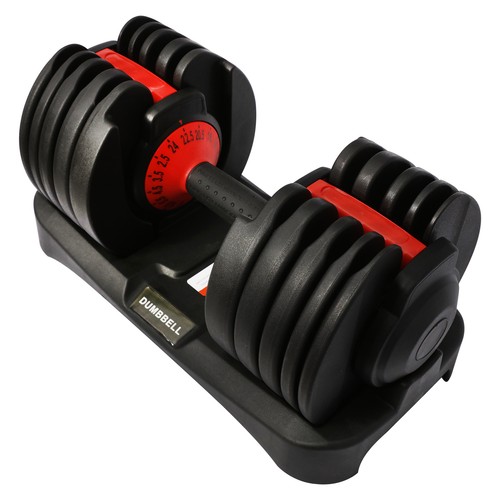
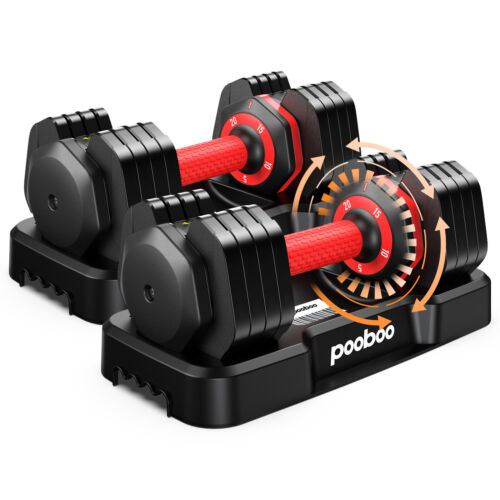
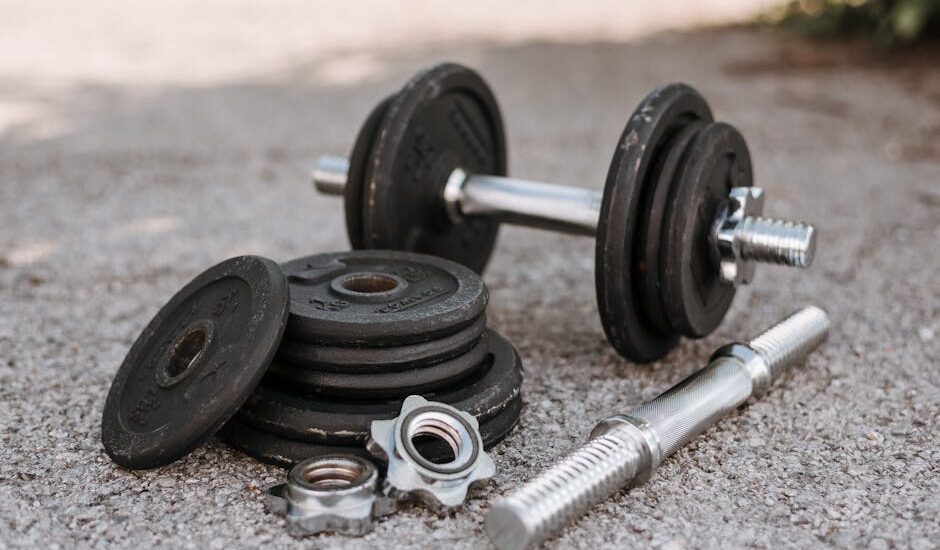
Adjustable dumbbells give you a range of weights in a single set. Most home-use models cover a span from around 2.5–5 lbs (1–2 kg) per increment up to a maximum of 50–90 lbs (22–41 kg) per dumbbell. Changing the weight can take anywhere from a couple of seconds (with twist-dial or selector-pin systems) to a minute or more (with plate-and-collar designs). Fixed dumbbells, on the other hand, are individual pairs at a set weight—5 lbs, 10 lbs, 15 lbs, and so on, typically in 2.5–5 lb increments. For more detail, see ISO 20957-4:2016 Stationary training equipment — Part 4: Strength training benches and free-standing equipment.
The practical differences go far beyond storage. With fixed dumbbells, you can perform drop sets or supersets instantly, with no fiddling between weights. Adjustable dumbbells force you to pause and adjust between sets unless you buy multiple pairs. For rapid-fire circuits or group workouts, fixed is simply faster. But for solo lifters with limited space, adjustables can provide up to 15–20 pairs’ worth of range in the footprint of a single pair. Compare today’s deals on both types if you know your available space and typical weight range needs.
If you’ve narrowed your shortlist and want new stock with free returns, Amazon is the practical choice.
Shop Adjustable & Fixed Options →How the Options Compare for Real-World Use
| Buying Profile | Weight Range & Increments | Space Required | Change Time | Durability & Feel | Typical Cost (Pair/Set) |
|---|---|---|---|---|---|
| The quick-change tech-integrated option | 5–52.5 lbs, 2.5–5 lb increments | ~1 sq ft | 5–10 seconds | Plastic/metal; moving parts can wear | $250–$400 |
| The all-metal plate-and-collar pick | 5–100 lbs, 2.5–5 lb increments | ~1.5 sq ft | 30–60 seconds | All metal; most durable | $100–$250 |
| The premium gym-feel fixed set | 5–100 lbs, fixed increments | ~8–20 sq ft for full set | Instant | Solid, gym feel; no moving parts | $600–$2,000 for full set |
| The basic hex/cast iron fixed option | 5–50 lbs, fixed increments | ~6–12 sq ft | Instant | Basic feel; can chip/rust | $250–$800 for full set |
Where Adjustable Dumbbells Make Sense (and Where They Don’t)
Adjustable dumbbells are a smart solution if you’re tight on space, train alone, and rarely need to switch weights in the middle of a set. They’re ideal for home users who do full-body routines, progressive overload, or want a wide range without dedicating an entire wall to racks. However, the adjustment mechanism is a real trade-off. Twist-dial and selector-pin models are quick, but can feel less solid during dynamic lifts (think snatches or fast curls) and are more prone to wear. Plate-and-collar adjustables are sturdier but slow to change and often awkward for one-handed adjustments.
Another overlooked issue: Most adjustable dumbbells max out at 50–90 lbs. If you anticipate outgrowing that range—say, for heavy presses or rows—you’ll either need to supplement with fixed dumbbells or invest in a commercial-style adjustable (which costs more and takes up more space). View options for different maximum weight ranges if you plan to lift heavy long-term.
What You Gain (and Lose) With Fixed Dumbbells
Fixed dumbbells offer speed, reliability, and the “gym feel” that many home users miss. There’s zero setup—just grab and lift. This is essential for drop sets, supersets, or any workout where you want to minimize rest. The solid construction (steel or iron, often with a thick rubber or urethane coating) means they last for decades and are less likely to break if dropped. Handles are often contoured or knurled for grip, and the balance is consistent across every weight.
The downside: cost and space. A full set covering 5–50 lbs in 5-lb increments is 10 pairs, which can take up 6–12 linear feet on a rack and easily run $600–$800 (sometimes more for higher-end coatings or commercial-grade builds). If you need only a few pairs for specific exercises, fixed dumbbells can be economical and space-efficient. But once you want full range, both the footprint and investment climb fast. Check current prices on sets sized for your actual workout needs.
Common Mistakes When Choosing Between Adjustable and Fixed
Many buyers choose based solely on price or assume adjustables are “just as good” for all uses. The most common regrets:
- Underestimating how often you’ll want to change weights mid-workout. If you do circuits, HIIT, or train with a partner, the adjustment time becomes a bottleneck.
- Expecting adjustables to be as rugged as fixed dumbbells. Most twist/pin models use plastic components and can be damaged if dropped from even 12–18 inches.
- Buying a fixed set with gaps in the weight increments (e.g., only 5, 15, and 25 lbs), which limits progression and forces awkward jumps.
- Ignoring handle diameter and knurling. Adjustable models often have thicker, straight handles; fixed dumbbells may have more ergonomic shapes and grippier knurling, which matters for longer sets or sweaty hands.
- Assuming all adjustables are compact. Some plate-and-collar adjustables are nearly twice as long as fixed dumbbells at the same weight, which can interfere with exercises like curls or presses.
Specs That Actually Matter—And Why Most Reviews Miss Them
Don’t get distracted by marketing claims about “space-saving” or “advanced design”—focus on numbers that impact real training:
- Increment size: 2.5–5 lbs is ideal for most users. Larger jumps can stall progress, especially in isolation lifts.
- Maximum weight per dumbbell: If you plan to bench or row over 50 lbs per hand, many adjustables won’t cut it—look for models that reach 80–100 lbs or supplement with fixed pairs.
- Handle diameter: Fixed dumbbells often use 28–32 mm handles, while adjustables may be 35 mm or more. Thicker handles challenge grip and may feel awkward for smaller hands.
- Adjustment speed: For twist/pin adjustables, 5–10 seconds is typical; plate-and-collar types can take up to a minute.
- Drop safety: Most adjustables are not rated for dropping. If you train to failure or do dynamic lifts, fixed is safer.
- Storage footprint: A full fixed set (5–50 lbs) can take 6–12 sq ft plus a rack; most adjustables occupy less than 1.5 sq ft, but may need a stand for convenience.
Who Should Choose Which? Real-Life Scenarios
For most home users, the best choice comes down to your training style and available space:
- Small apartment, solo workouts: Adjustable dumbbells with quick-change mechanisms are ideal. You’ll get the most range in the least space, and adjustment speed isn’t a problem.
- Shared home gym or partner workouts: Fixed dumbbells shine, especially if you want to train together or do fast-paced circuits without waiting for a single pair to be reset.
- Heavy lifters, power athletes: Fixed dumbbells or all-metal plate/collar adjustables that reach 80–100 lbs per hand. Twist/pin adjustables often max out too low and aren’t designed for repeated drops.
- Budget-conscious, limited needs: Buy a couple of fixed pairs in the weights you use most. This is more durable and cost-effective than buying a full adjustable set if you rarely change loads.
- Progressive overload or rehab: Adjustables with 2.5-lb increments allow finer progression, which is critical for slow, safe strength gains.
If you’ve narrowed your shortlist and want new stock with free returns, Amazon is the practical choice.
Compare Adjustable & Fixed Options →Frequently Asked Questions About Adjustable vs Fixed Dumbbells
Are adjustable dumbbells as durable as fixed dumbbells?
Generally, no. Fixed dumbbells are solid pieces of metal, often with a rubber or urethane coating, and can withstand drops and heavy use for decades. Adjustable dumbbells, especially those with plastic parts or moving mechanisms, are more prone to wear, misalignment, or breakage if dropped. All-metal plate-and-collar adjustables are the exception, but even these can loosen over time.
What weight range do most home users actually need?
For general fitness, most home users benefit from a range of 5–50 lbs per hand, in 5-lb increments. If you plan to do heavy presses or rows, consider options that go up to 80–100 lbs. The right range depends on your exercises—compound lifts require heavier weights, while isolation moves need smaller increments.
How fast can you change weights on adjustable dumbbells?
Quick-change adjustable dumbbells (twist or pin selector) typically let you switch weights in 5–10 seconds per hand. Plate-and-collar types take longer—usually 30–60 seconds as you manually add or remove plates and tighten collars. Fixed dumbbells have no change time; you simply grab the pair you want.
Do adjustable dumbbells feel the same as fixed dumbbells?
No. Adjustable dumbbells often have longer handles and a different balance, especially at lower weights. Some users find them less comfortable for exercises like curls or overhead presses. Fixed dumbbells have a consistent, compact feel and are generally more ergonomic for long sets or heavy lifts.
Can you drop adjustable dumbbells safely?
Most adjustable dumbbells (except for all-metal plate-and-collar types) are not designed to be dropped. Doing so can damage the mechanism, cause plates to loosen, or even break plastic components. Fixed dumbbells, especially those with rubber or urethane coatings, are built to handle occasional drops from short heights.
Are fixed dumbbells worth the higher cost and space?
If you train frequently, use a wide range of weights, or value speed and reliability, fixed dumbbells are often worth the investment. They last longer, feel better, and make fast-paced workouts more practical. However, if space or budget is tight, adjustables give you the most versatility for the money.
How much space do you really need for a full set of fixed dumbbells?
A full rack of fixed dumbbells covering 5–50 lbs (in 5-lb increments) typically requires 6–12 linear feet depending on rack style and dumbbell design. Some compact vertical racks save space but may limit accessibility. Adjustable dumbbells usually fit on a single stand or tray, taking up less than 1.5 square feet.
What handle diameter is most comfortable for most users?
Most fixed dumbbells use handles between 28–32 mm, which suits most hand sizes and feels familiar for longer sets. Adjustable dumbbells often have thicker handles (up to 35 mm or more), which can challenge grip endurance and feel awkward, especially for users with smaller hands.
Bottom Line: Which Wins for Most Home Gyms?
If you’re training solo in a small space and want maximum versatility, quick-change adjustable dumbbells are tough to beat. But if you care about durability, workout speed, or plan to lift heavy, fixed dumbbells are a better long-term investment—even if you start with just a few pairs. Don’t be swayed by marketing hype; focus on the weights you’ll actually use, the way you train, and the specs that matter for your body and space. Prioritize feel, safety, and progression over the illusion of saving space or money, and you’ll avoid the most common regrets.