Disclosure: As an Amazon Associate and eBay Partner Network publisher, we earn from qualifying purchases. This doesn’t affect what we recommend or how we describe it.
9 min read
The difference between waking up refreshed or groggy can come down to a single number: your bedroom’s humidity level. Most people sleep best when the air holds between 40% and 60% relative humidity. Dipping below that, especially during winter or in air-conditioned rooms, leads to dry sinuses, scratchy throats, and static shocks. But not every humidifier suits every bedroom—or every sleeper. The right choice depends on room size, maintenance effort, noise tolerance, and even local water quality. Here’s how to cut through the marketing haze and choose a humidifier that will actually improve your sleep, not add new hassles. For more detail, see Consumer Reports humidifier buying guide.
Why Bedroom Humidity Matters More Than You Think
Dry air does more than just chap your lips. Low humidity (under 30%) can worsen allergies, irritate nasal passages, and disrupt sleep for both adults and children. Chronic dryness can also impact skin health and increase the risk of nosebleeds, especially during winter. On the other hand, too much moisture (above 60%) creates a breeding ground for dust mites, mold, and bacteria—all of which can trigger allergies and asthma. That’s why a humidifier isn’t just about comfort; it’s about maintaining a healthy, stable environment for restorative sleep.
Want a quick browse of available options? Browse the range →
Which Humidifier Technology Fits Your Bedroom?
Every humidifier adds moisture to the air, but the way it does so—and the trade-offs involved—vary widely. Here’s how the main types stack up for bedroom use:
- Ultrasonic humidifiers use high-frequency vibrations to create a cool mist. They’re nearly silent (usually under 35 decibels), energy-efficient, and available in compact sizes. However, they can disperse minerals from hard water into the air, leaving fine white dust on surfaces unless you use distilled water or a built-in demineralization cartridge.
- Evaporative humidifiers draw air through a wet wick filter, releasing cool, invisible vapor. They self-regulate (won’t over-humidify the room) and are less likely to spread mineral dust, but the fan adds white noise—typically 35–50 decibels at low settings. Filters need replacing every 1–3 months, depending on water quality and usage.
- Warm mist (steam) humidifiers boil water to produce steam. They kill most bacteria and mold, making them a good fit for those with allergies, but they use more electricity and can get hot to the touch—a safety concern in kids’ bedrooms. These models are also louder than ultrasonics, often reaching 40–50 decibels.
For most bedrooms, ultrasonic or evaporative models strike the best balance of quiet operation and safety. If you have very hard tap water, consider an evaporative model or plan on using distilled water to prevent mineral buildup.
How the Options Compare: Bedroom Humidifier Profiles
| Buying Profile | Best For | Output (ml/hr) | Noise Level (dB) | Tank Size (L) | Filter/Cartridge | Typical Price Range |
|---|---|---|---|---|---|---|
| Ultrasonic, compact | Small bedrooms, light sleepers | 100–200 | 28–35 | 1–2 | Optional demineralization | $25–$60 |
| Evaporative, mid-size | Medium rooms, allergy-prone | 200–300 | 35–45 | 2–4 | Wick filter (replace 1–3 mo.) | $40–$100 |
| Warm mist, safety auto-off | Colder climates, severe dryness | 250–400 | 40–50 | 2–3 | No filter | $35–$90 |
| Large tank, multi-night | Skip daily refills, big rooms | 250–500 | 30–45 | 4–6 | Depends on type | $60–$150 |
| Tech-integrated (humidistat, app) | Precise control, smart home users | 100–350 | 30–42 | 2–4 | Varies | $80–$200 |
Room Size and Output: Matching Specs to Your Space
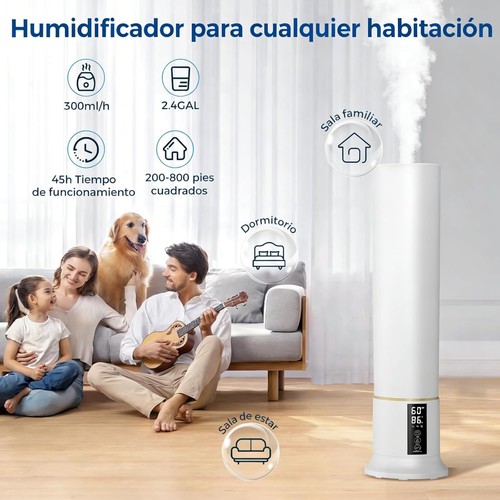
Humidifier performance is tied directly to your bedroom’s square footage and ceiling height. Underpowered models (under 100 ml/hr output) won’t make a dent in dryness in rooms over 150 sq ft, while oversized units can oversaturate smaller spaces, causing condensation on windows and walls. Here’s a practical rule of thumb:
- Up to 150 sq ft (small bedroom): Look for 100–200 ml/hr output, 1–2 L tank.
- 150–300 sq ft (medium bedroom): 200–350 ml/hr output, 2–4 L tank.
- 300+ sq ft (large master): 300–500 ml/hr output, 4+ L tank.
Some manufacturers list “coverage area” in square feet, but these estimates assume optimal (often unrealistic) room conditions. Output in milliliters per hour is a more reliable metric—compare it directly against your room’s needs. If you want to avoid refilling daily, look for a tank that matches your nightly runtime at the desired output rate.
Noise: What Decibel Ratings Mean for Sleep Quality
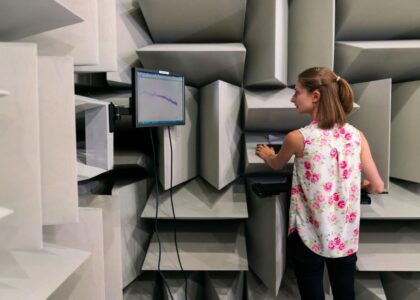
Even “quiet” humidifiers can produce a persistent hum, gurgle, or fan noise that disrupts sensitive sleepers. Here’s how decibel levels translate in a bedroom setting:
- 25–30 dB: Faint, nearly inaudible—comparable to a whisper from across the room.
- 30–40 dB: Soft white noise—most people adjust quickly, but very light sleepers may notice.
- 40–50 dB: Noticeable fan or bubbling sound—can mask outside noise but may annoy some users.
Ultrasonic models typically run below 35 dB. Evaporative and warm mist models are louder, especially at higher output settings. If night-time silence is a top priority, check manufacturer specs for decibel ratings, and consider reading user reviews for real-world sleep feedback.
Maintenance: What It Really Takes to Keep a Humidifier Safe
Every humidifier requires regular cleaning to prevent mold, bacteria, and mineral buildup. Here’s what you’re signing up for with each type:
- Ultrasonic: Needs weekly cleaning of the tank and base. If using hard tap water, expect visible white dust unless you use distilled water or a demineralization cartridge (replace every 1–2 months).
- Evaporative: Wick filter must be replaced every 1–3 months (about $5–$15 each). Tank and base need weekly cleaning. Less white dust, but filters can harbor bacteria if neglected.
- Warm mist: Mineral scale builds up quickly on the heating element, especially with hard water. Requires descaling (with vinegar or citric acid) every 1–2 weeks. No filter to replace.
Skip models that don’t allow full access to the tank and base for scrubbing. Mold can grow in hidden crevices. Look for wide tank openings (at least 3 inches) and simple, tool-free disassembly. If you’re not prepared to clean weekly, a humidifier may do more harm than good.
Related Guides
- Adjustable Foot Stools for Seniors: How to Choose the Right One
- How to Choose a Menstrual Cup: A Practical Guide for First-Time Buyers
- EMS Device vs TENS: Which Should You Choose?
- Pulse Ox vs SpO2: Which Should You Choose?
- Where Should You Place an Air Purifier in Your Bedroom?
- Browse all Educational Guides →
Hard Water, Filters, and the “White Dust” Problem
Hard tap water contains minerals—mainly calcium and magnesium—that can be aerosolized by ultrasonic humidifiers, settling as fine white dust on furniture and electronics. This isn’t just a cosmetic issue; inhaled particles can irritate sensitive lungs over time. Evaporative models trap most minerals in their wick filter, minimizing airborne dust. If you have hard water (over 120 ppm), your options are:
- Use distilled or demineralized water (adds about $1 per gallon, but eliminates dust and scale).
- Choose an evaporative humidifier, budget for regular filter changes.
- Use a demineralization cartridge (for ultrasonic models), but know it won’t remove all minerals.
Check your local water report or use a test strip to measure hardness. If you notice visible scale in your kettle or white residue on surfaces, assume your tap water is hard enough to cause issues.
Don’t Ignore Safety Features—Especially for Kids’ Rooms
For bedrooms used by children or elderly adults, certain safety features are non-negotiable. Warm mist models should have automatic shutoff if tipped or when the tank runs dry—scalding burns from hot steam are a real risk. Night-light functions can soothe children, but should be dimmable or switchable to avoid sleep disruption. Always check for BPA-free plastics and certification (UL, ETL, or similar) to ensure electrical safety.
When Smart Features Actually Matter
Some humidifiers offer built-in humidistats (digital or analog) to maintain a target humidity automatically, shutting off when the set point is reached. Others connect to smartphone apps or smart home systems, allowing remote monitoring and scheduling. These features matter most if you want precise control over bedroom humidity (e.g., to avoid mold risk) or plan to integrate with other smart devices. However, many “smart” models still require manual cleaning and refilling—don’t let app control distract from real maintenance needs.
Common Mistakes to Avoid When Choosing a Bedroom Humidifier
- Overestimating coverage area: Manufacturer claims are often optimistic. Focus on output (ml/hr) and tank size for your actual room size.
- Ignoring cleaning requirements: Neglected humidifiers can harbor mold and bacteria, making air quality worse. Factor in your willingness to clean weekly.
- Choosing the wrong type for your water: Hard water and ultrasonic humidifiers rarely mix unless you use distilled water or a cartridge.
- Prioritizing features over fundamentals: A humidifier with night lights, timers, and app control won’t matter if it’s too loud or a pain to maintain.
Ready to Choose? Here’s How to Narrow Your Options
Start with your room size and noise tolerance, then factor in your local water quality and willingness to clean. If you want a plug-and-play option for a small bedroom, a compact ultrasonic is quiet and affordable—just plan on using distilled water if you have hard tap water. For medium or larger rooms, or if you’re allergy-prone, an evaporative model with a replaceable wick filter is a safer bet. Warm mist models suit cold climates and severe dryness, but aren’t ideal for children’s rooms due to hot surfaces. If you crave minimal effort, a large tank model (4+ liters) reduces refill frequency, but still needs weekly cleaning.
Check current prices for compact bedroom-friendly options, or view options for larger tank and smart-feature models.
FAQs: Real-World Questions About Choosing a Bedroom Humidifier
What humidity level should I aim for in my bedroom?
The ideal bedroom humidity is between 40% and 60% relative humidity. Levels below 30% can cause dryness and irritation, while levels above 60% increase the risk of mold and dust mites. Use a digital hygrometer to monitor and adjust as needed.
Is it safe to leave a humidifier running overnight?
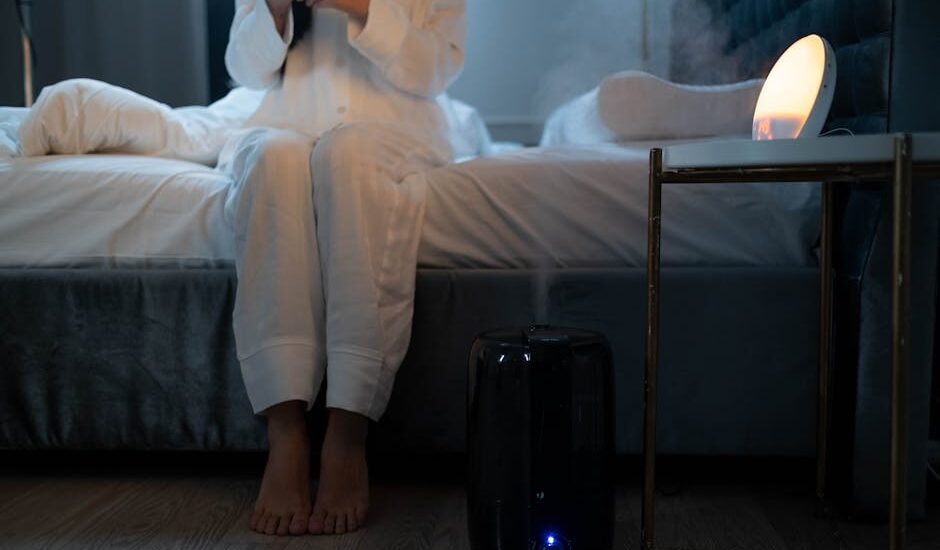
Yes, most humidifiers are designed for overnight use. Make sure your model has an automatic shutoff when the tank is empty, and never let water stand for days without cleaning to prevent bacteria growth. Place the unit on a stable, waterproof surface away from electronics.
How often do I need to clean my bedroom humidifier?
Weekly cleaning is recommended for all humidifiers to prevent mold and bacteria. Some models with hard-to-reach tanks may require more frequent attention. Always empty and dry the tank daily if possible, and follow your manufacturer’s cleaning instructions.
Can I use tap water in my humidifier?
If your tap water is soft (under 60 ppm total hardness), you can usually use it with minimal risk of white dust or buildup. For hard water, use distilled water or a demineralization cartridge, or choose an evaporative model with a replaceable filter to trap minerals.
How do I know if my humidifier is too powerful for my bedroom?
If you notice condensation on windows, damp walls, or a musty smell, your humidifier may be adding too much moisture. Reduce runtime, lower the output setting, or switch to a smaller model. Always monitor with a hygrometer to keep humidity in the safe range.
Are essential oil diffusers the same as humidifiers?
No—most essential oil diffusers are designed for fragrance and add minimal moisture to the air. Only use essential oils in humidifiers designed for that purpose, as oils can damage regular units and void warranties. For pure humidification, stick to water-only models.
Bottom Line: What Actually Matters for Bedroom Humidifiers
The best humidifier for your bedroom is the one you’ll actually maintain—and that matches your room size, noise needs, and water quality. Skip the overhyped features and focus on quiet operation (under 35 dB for light sleepers), practical tank size (at least one full night at your preferred output), and easy cleaning. If you’re still unsure, start with a mid-size ultrasonic or evaporative model and invest in a digital hygrometer to dial in your ideal sleep environment. Compare today’s deals and see what fits your space and routine best.