7 min read
The terms “pulse ox” and “SpO2” are everywhere now—on fitness trackers, home health gadgets, and even your doctor’s notes. But they’re not interchangeable. One refers to a device, the other to a measurement. If you’re trying to understand what these terms actually mean, how they relate, and which matters for your health decisions, it’s crucial to get past the jargon and focus on what’s genuinely useful—especially when every device on the shelf promises “oxygen monitoring.” For more detail, see Wikipedia: Oxygen saturation (medicine).
Pinned Down: What “Pulse Ox” and “SpO2” Actually Mean
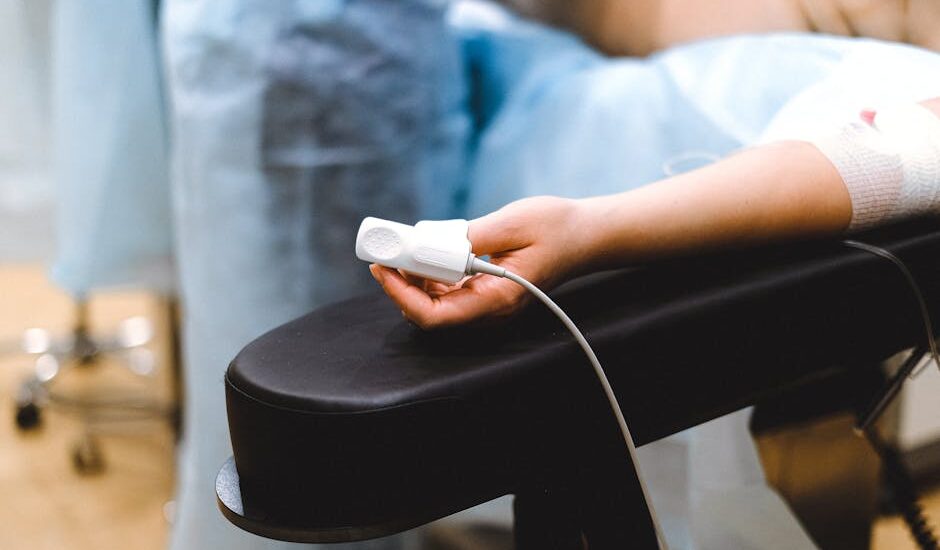
“Pulse ox” is shorthand for “pulse oximeter”—a device that estimates how much oxygen is in your blood. “SpO2” (peripheral capillary oxygen saturation) is the number the device gives you, expressed as a percentage. The pulse oximeter shines light through your fingertip (or sometimes your earlobe or wrist) and detects changes in light absorption caused by oxygenated and deoxygenated hemoglobin. The result is an SpO2 reading—typically shown as something like “97%.”
So, “pulse ox” is the tool, “SpO2” is the data point. Confusing the two leads to bad buying decisions and unrealistic expectations of what home monitoring can actually tell you.
Shopping new with fast Prime shipping? Amazon usually has the best stock.
How Pulse Oximeters Measure SpO2: The Technology Beneath the Readout
At the heart of every pulse oximeter are two LEDs—one red (around 660 nm wavelength), one infrared (typically 940 nm). These shine through the tissue, and a photodetector measures how much light passes through or is reflected. Oxygenated and deoxygenated hemoglobin absorb these wavelengths differently. The device uses this difference, plus your pulse, to estimate SpO2.
Most consumer pulse oximeters report SpO2 in the range of 70% to 100%, but their accuracy is typically specified as ±2% in the 90–100% range (the zone most people care about). Below 80%, accuracy can drop off sharply, and readings become unreliable. This is a critical limitation if you’re trying to monitor for hypoxia at home.
Understanding the Limits: What SpO2 Can and Can’t Tell You
SpO2 is a proxy for how much of your blood’s hemoglobin is carrying oxygen. It’s not a direct measure of actual oxygen content or lung function. Several factors can throw off readings:
- Cold fingers or poor circulation
- Nail polish (especially dark colors)
- Movement during measurement
- Very dark skin pigmentation (some clinical studies suggest a small but real impact on accuracy)
- Ambient light interference (in cheaper models)
It’s also possible for SpO2 to look normal even if your body isn’t using oxygen efficiently, as in carbon monoxide poisoning. This is why SpO2 is a useful screening tool, but not a full diagnostic solution.
How the Options Compare: Pulse Oximeter Types and SpO2 Results
There’s no single “pulse ox vs SpO2” decision—what matters is which device profile fits your needs, and how reliable the SpO2 readings are in real use. Here’s how the main device types stack up:
| Device Profile | Measurement Site | SpO2 Accuracy (90–100%) | Display Type | Ideal Use Case | Battery Life | Key Limitations |
|---|---|---|---|---|---|---|
| Clip-on fingertip | Finger | ±2% | OLED or LED | Spot-checking at home | 24–48 hours (continuous), weeks (intermittent) | Motion sensitivity, can’t use during activity |
| Wrist-worn tracker | Wrist | ±3–4% | App or device screen | Overnight or activity tracking | 3–7 days | Lower accuracy, not for clinical use |
| Handheld with probe | Finger or earlobe | ±2% | LCD or color display | Caregiver or professional use | 12–24 hours (rechargeable or AA/AAA) | Bulkier, less portable |
| Integrated home monitor | Finger or toe | ±2% | Large screen or app | Long-term monitoring | Varies—often plug-in | Expensive, overkill for spot checks |
What Actually Matters When Choosing a Pulse Oximeter for SpO2 Monitoring
Ignore marketing claims about “medical grade” unless you see a device cleared for use by a regulatory agency. For home use, these are the specs and features that make a real difference:
- Accuracy within ±2% in the 90–100% range: This is the threshold for reliable spot-checking. Anything looser is best for trend tracking, not clinical decisions.
- Measurement range of at least 70–100%: Devices that only report 90–100% are not helpful if you’re monitoring for desaturation episodes.
- Display size and clarity: OLED screens are easier to read in low light. Pulse waveform (plethysmograph) display is a bonus for confirming signal quality.
- Battery life for your use case: 24+ hours of continuous use for overnight monitoring, or weeks for sporadic checks.
- Data export or app integration: Only necessary if you need to track trends over time or share with a healthcare provider. Otherwise, a simple display suffices.
Wrist-based wearables are convenient for overnight tracking, but their SpO2 readings are less precise. For anyone with a respiratory condition—or just wanting the most reliable data—a fingertip clip-on remains the gold standard for spot checks. View options
Common Pitfalls: Mistakes People Make Interpreting Pulse Ox and SpO2
One of the biggest misconceptions is treating SpO2 as an absolute measure. In reality, a reading of “98%” on a home pulse oximeter means your device estimates your hemoglobin is 98% saturated with oxygen—but that’s plus or minus 2%, and only if the measurement conditions are ideal.
People often ignore the impact of cold hands, movement, or even nail polish. If your device flashes a warning or gives inconsistent readings, don’t panic—try warming your hands, removing polish, and sitting still for a full 30 seconds. For trend monitoring (like overnight dips), look for repeated patterns, not one-off lows.
Related Guides
- Our guide to Mouth Guards for Teeth Grinding: What to Know Before You Buy
- How to Clean Fitness Mats: Tips for a Germ-Free Workout Space
- Electric Facial Cleansing Brushes That Are Worth Adding to Your Routine
- Our guide to How to Charge an Electric Heating Pad: A Step-by-Step Guide
- Our guide to Water Flosser vs Dental Pick: Which Cleans Better?
- Browse all Device Comparisons →
- Our guide to Personal Sound Amplifier vs Hearing Aid: Which Should You Choose?
Clinical Context: When SpO2 Numbers Really Matter
For most healthy adults, SpO2 readings between 95% and 100% are considered normal at sea level. Values consistently below 92% can signal hypoxemia, but context matters—people living at higher altitudes often have lower baselines, and some chronic lung disease patients may run in the high 80s without symptoms.
Home pulse oximeters are not a substitute for clinical evaluation. They’re best used for:
- Spot-checking during illness (e.g., respiratory infections)
- Monitoring for drops during sleep (for suspected sleep apnea)
- Tracking recovery after respiratory illness
If you see repeated readings below your normal baseline, especially if you feel short of breath, consult a healthcare provider. But don’t make treatment decisions based on a single SpO2 number from a home device.
Who Should Prioritize Pulse Oximetry at Home?
Pulse oximeters have become popular among:
- People with chronic respiratory or cardiac conditions (COPD, asthma, heart failure)
- Those monitoring for sleep-related breathing issues
- High-performance athletes tracking recovery
- Anyone recovering from a respiratory illness
For occasional curiosity or fitness tracking, a wearable with SpO2 trend data may suffice. If you need reliable, actionable numbers, a dedicated fingertip device is the better choice.
Shopping new with fast Prime shipping? Amazon usually has the best stock.
FAQ: Pulse Ox vs SpO2—What People Actually Ask
Is “pulse ox” the same as “SpO2”?
No. “Pulse ox” refers to the device (pulse oximeter); “SpO2” is the specific percentage it measures—your blood oxygen saturation. The device provides the reading, but the terms are not interchangeable.
How accurate are home pulse oximeters for measuring SpO2?
Most home-use fingertip pulse oximeters are accurate within ±2% in the 90–100% range, assuming good measurement conditions. Wrist-worn devices can be off by 3–4% or more, especially during movement or poor fit.
Can you use a fitness tracker’s SpO2 reading instead of a fingertip pulse oximeter?
Fitness trackers are convenient for trend monitoring but typically less accurate for single spot checks. If you need precise readings for health management, a fingertip pulse oximeter is more reliable.
What SpO2 level should cause concern?
Persistent readings below 92% at sea level may signal low blood oxygen, but context is important. One-off readings can be inaccurate—look for consistent trends and consult a healthcare provider if you’re concerned.
Why do pulse oximeters sometimes give inconsistent readings?
Common causes include cold fingers, movement, nail polish, or poor sensor placement. Always follow the manufacturer’s instructions, and repeat the measurement under optimal conditions for the most reliable result.
Do I need a “medical grade” pulse oximeter for home use?
Most people do not need a clinical-grade device. Look for models with documented accuracy (±2%), a clear display, and a measurement range covering at least 70–100%. Regulatory clearance is a plus but not always necessary for general wellness monitoring.
Bottom Line: Clarity Over Hype
Pulse oximeters (“pulse ox”) give you an SpO2 reading, but understanding their limits—and how to use them—matters more than chasing the highest number or the flashiest device. For reliable spot checks, a basic fingertip model with ±2% accuracy is hard to beat. If you’re tracking trends, a wearable can help, but don’t mistake convenience for clinical precision. Know what you’re measuring, know what it means, and use that data as one piece of your bigger health picture.