
9 min read
Disclosure: As an Amazon Associate and eBay Partner Network publisher, we earn from qualifying purchases. This doesn’t affect what we recommend or how we describe it.
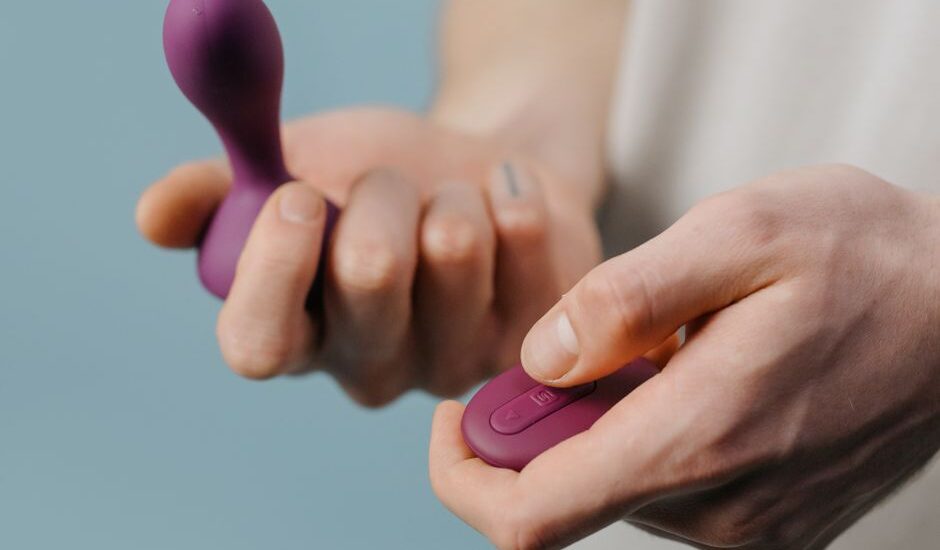
Men turn to pelvic floor trainers for three distinct reasons: managing urinary leakage after prostate surgery, improving erectile function, or boosting core stability for sports and fitness. Each goal shapes what actually matters in a pelvic floor trainer — and makes the difference between a device that collects dust and one that delivers results. Most men don’t realize that not all trainers are created equal: biofeedback, electrical stimulation, and manual resistance each offer a different path, and the clinical evidence behind them varies widely. If you’re trying to choose, the key is understanding how these options stack up for your specific goal, what kind of feedback or guidance you’ll actually use, and what the real-world trade-offs look like.
Why Men Use Pelvic Floor Trainers — And Why Generic Devices Fall Short
While pelvic floor exercises (Kegels) are often associated with women, research shows men can benefit just as much — particularly after prostate surgery, for incontinence, or to help with mild erectile difficulties. Yet most devices on the market are designed for women’s anatomy. The handful built for men fall into three main categories: biofeedback trainers, electrical stimulation units, and manual resistance tools.
Clinical studies, including a summary from the American Urological Association, highlight that men often struggle to locate and contract the correct muscles without direct feedback. Generic “one-size-fits-all” devices rarely address this. The most effective options for men are those that provide specific, real-time feedback (visual, tactile, or app-based) or actively guide contractions. Here’s how the categories break down:
- Biofeedback devices: Measure muscle activation and display results visually or via an app. These help you learn correct technique, but require some tech comfort and patience.
- Electrical stimulation: Use low-voltage currents to trigger pelvic floor contractions for you. Helpful if you can’t contract the muscles yourself, but not everyone finds the sensation comfortable.
- Manual resistance tools: Usually external, these provide resistance to squeeze against. Simple and affordable, but require you to already know the correct motion.
How the Options Compare: Real-World Trade-Offs
| Type | Best For | Feedback Mode | Muscle Activation | Ease of Use | Price |
|---|---|---|---|---|---|
| Biofeedback (app-based) | Learning correct technique | Visual/app (EMG) | Measures 1–200 μV | Moderate (requires setup) | $$$ |
| Electrical stimulation (external) | Severe weakness/post-surgery | Automatic muscle contraction | 10–80 mA output | Simple (pre-set programs) | $$ |
| Manual resistance band | Fitness/core support | Physical resistance only | Up to 10 kg force | Easy (no electronics) | $ |
| Biofeedback (visual, no app) | No smartphone needed | Mechanical gauge/LED | Measures 1–100 μV | Easy (single-button) | $$ |
| Home-use EMG probe | Supervised rehab | Plug-in visual/audio | Measures 0.5–300 μV | Requires professional guidance | $$$ |
Pricing context: $, $$, and $$$ are relative ratings against the other products listed above, not absolute dollar ranges. Live current prices follow below.
Related Guides
- Our guide to Do Pumice Stones Really Help With Calluses?
- Adjustable Footrests for Comfort at Work and Home
- How to Disinfect Yoga Blocks: A Step-by-Step Cleaning Guide
- Exercise Balance Boards That Are Worth It: Our Honest Reviews
- Our guide to What Is a Digital Force Gauge and How Does It Work?
- Heated Neck and Shoulder Wraps That Actually Relieve Pain
What Actually Matters for Men: Anatomy, Feedback, and Evidence
Men’s pelvic floor muscles are smaller and less accessible than women’s, which means many devices on the market simply don’t fit or provide meaningful feedback. For men who have never done Kegels, an app-based biofeedback trainer is often the most helpful. These devices typically use surface EMG sensors (measuring electrical activity between 1–200 microvolts) placed externally — usually at the perineum — and connect to a smartphone to display contraction strength in real time. This immediate feedback is critical for learning proper technique and tracking progress.
Electrical stimulation units, on the other hand, are best suited for men who have significant muscle weakness — for example, after prostatectomy. These deliver a current (typically 10–80 milliamps) through skin electrodes, causing the muscles to contract without conscious effort. The downside is that not everyone finds the sensation comfortable, and it’s not a substitute for learning voluntary control. Manual resistance tools, such as bands or balls, offer a budget route for those already familiar with pelvic exercises and looking to add intensity. However, these lack any feedback, so there’s a risk of performing the exercise incorrectly — a common problem that reduces effectiveness.
Who Should Consider Which Type?
Your choice depends on both your goal and your current level of muscle control:
- For post-surgery recovery or incontinence: Start with a biofeedback or electrical stimulation device, as these guide you through correct activation and can help rebuild lost strength.
- For sexual health or core support: If you already know how to contract your pelvic floor, a manual resistance tool can add challenge. If not, biofeedback is the safer bet.
- If you dislike or can’t use apps: Look for a mechanical or LED-based biofeedback unit. These typically show muscle activation on a gauge or with lights, no phone required.
- For supervised rehab: Some home-use EMG probes are designed to work with a physical therapist’s guidance. These can be powerful but are overkill for most unsupervised users.
Clinical context matters: a 2021 meta-analysis in the journal Urology found that men using biofeedback had significantly better outcomes for incontinence compared to those doing unsupervised Kegels. Electrical stimulation had modest benefit, but only for those unable to perform voluntary contractions. Manual tools had the least supporting evidence, but may still help for fitness-focused users.
What to Look for in a Pelvic Floor Trainer for Men
Skip vague claims and focus on these quantifiable features:
- EMG sensitivity: For biofeedback, a range of 1–200 μV is ideal for detecting men’s weaker contractions.
- Stimulation intensity: For electrical units, look for adjustable output from 10–80 mA, with session timers and safety shutoff.
- Electrode design: External pads sized for the perineum (3–5 cm diameter) fit male anatomy better than probes designed for women.
- Feedback interface: App-based options should display contraction strength as a graph or number, not just “on/off.” Mechanical units should have at least a 10-step gauge or multiple LEDs.
- Session tracking: Some app-based trainers log your history and progress, which helps maintain motivation.
For manual tools, check resistance level (ideally adjustable from 2–10 kg) and ensure the device is easy to grip and clean.
Total cost of ownership
The sticker price isn’t the whole story. Here are the hidden and ongoing costs you should anticipate when buying a pelvic floor trainer for men:
- Electrode pads: For biofeedback and electrical units, replace every 20–40 uses. Expect annual costs of $30–$60 depending on frequency.
- Batteries/charging: Most electronic units use AAA batteries (replaced every 2–3 months with regular use) or built-in lithium batteries (recharged weekly). Budget $10–$20 per year for disposables or factor in electricity for recharging.
- App subscriptions: Some app-based trainers require a monthly or annual subscription for advanced features or tracking. These can add $30–$90 per year.
- Cleaning supplies: Alcohol wipes or device-specific cleaners are needed, especially for shared or skin-contact tools. $10–$20 per year is typical.
- Replacement resistance bands: Manual tools may lose elasticity over time. Plan to replace bands or balls every 12–18 months ($10–$25 each).
Factor these into your budget to avoid surprises — and to make sure your device stays effective and hygienic.
Common mistakes men make with pelvic floor trainers
Many men jump in without guidance and end up tensing the wrong muscles — thighs, abs, or glutes — instead of the pelvic floor. Without feedback, it’s easy to reinforce bad habits. Another mistake: overtraining. More isn’t better; most protocols call for 3–5 sessions per week, not daily marathons. Failing to clean the device properly can lead to skin irritation or infection, especially with electrical pads or bands. Lastly, some men buy advanced EMG units meant for clinical supervision, only to find them too complex for home use. Stick with the simplest option that fits your goal and comfort level.
Affiliate picks: which type fits your needs?
If you want to learn proper technique with measurable progress, consider an app-based biofeedback trainer. Check current prices.
For post-surgical recovery or severe muscle weakness, an external electrical stimulation unit with adjustable intensity is worth a look. View options.
If you’re already comfortable with the basic exercise and want to add challenge for sports or fitness, a manual resistance band or ball is the budget-friendly route. See what’s available.
FAQ: Pelvic Floor Trainers for Men — What Buyers Really Ask
How long does it take to see results from a pelvic floor trainer?
Most men notice some improvement in muscle control or leakage within 6–12 weeks of consistent use (3–5 times per week). However, significant changes may take up to 6 months, especially after surgery or with severe weakness. Progress depends on regular, correct practice and starting muscle strength.
Is biofeedback or electrical stimulation better for male incontinence?
Biofeedback is generally preferred if you can voluntarily contract your pelvic floor, as it helps you learn correct technique. Electrical stimulation is useful if you can’t contract the muscles at all, such as immediately after prostate surgery. A clinician can help you decide which approach fits your needs best.
Are these trainers safe to use at home?
Most home-use pelvic floor trainers for men are considered safe if you follow the manufacturer’s instructions and avoid overuse. However, electrical units should not be used if you have a pacemaker or certain health conditions. Always check safety guidelines and consult a professional if unsure.
How do I know if I’m using the trainer correctly?
Biofeedback devices provide real-time visual or app-based feedback, showing whether you’re activating the right muscles. If you use a manual tool, focus on isolating the pelvic floor without tensing thighs, abs, or glutes. If you feel discomfort or don’t see progress after several weeks, consider consulting a pelvic health specialist.
What happens if I stop using the trainer?
If you stop regular training, any gains in muscle strength or continence may gradually diminish over several weeks to months. Maintenance sessions (once or twice a week) can help preserve results after your initial program ends. Consistency is more important than intensity for long-term benefit.
Do manual resistance bands work as well as biofeedback devices?
Manual resistance bands can help increase strength if you already know how to perform pelvic floor contractions correctly. However, they lack feedback, so there’s a higher risk of doing the exercise incorrectly. Biofeedback devices are better for learning and tracking technique, especially for beginners or those with incontinence.
Can I return a pelvic floor trainer if it doesn’t fit or work for me?
Return policies vary by retailer and type of device. Many sellers accept returns on unopened or unused trainers, but may not allow returns after use for hygiene reasons. Check the return window and warranty terms before purchasing, especially for electronic or wearable units.
Bottom line: Don’t settle for a “one-size-fits-all” solution
No single pelvic floor trainer fits every man or every goal. The best results come from matching the device type to your specific needs — whether that’s guided recovery after surgery, improved bladder control, or a fitness boost. Prioritize real-time feedback if you’re new to these exercises, and don’t underestimate the value of a device that fits your lifestyle and anatomy. The right pelvic floor trainer can be a game-changer, but only if you choose with your end goal and comfort in mind.



Last updated: July 2026 · About our research