8 min read
Disclosure: As an Amazon Associate and eBay Partner Network publisher, we earn from qualifying purchases. This doesn’t affect what we recommend or how we describe it.
The most complete mindfulness device for adults is the Mind Alive David Delight Light Sound Therapy Device, offering adjustable light and sound protocols tailored to different mental states. For immersive guided meditation, the Kasina Mindplace KAS-01 Mind Media System stands out with its visual and audio content. If you want a simple, press-and-go solution, the Solu n.o.w. Tone Therapy System is the easiest to use. For children, the Zenimal Kids Meditation Audio Device is purpose-built and age-appropriate. This guide breaks down what each device does well, who should pick which, and what to expect in real-world use.
Top picks at a glance
- Mind Alive David Delight Light Sound Therapy Device — the most feature-rich
- Kasina Mindplace KAS-01 Mind Media System — the best for immersive meditation
- Zenimal Kids Meditation Audio Device — best for children
- Solu n.o.w. Tone Therapy System — the simplest to use
Choose the right mindfulness device for your needs
Mindfulness devices range from sophisticated audiovisual systems to simple sound-based tools. The best choice depends on whether you want programmable sessions, guided meditations, or just an effortless way to reset your mind. Below, you’ll find a direct comparison of the four most relevant options, including their best-use case, condition, and what sets them apart.
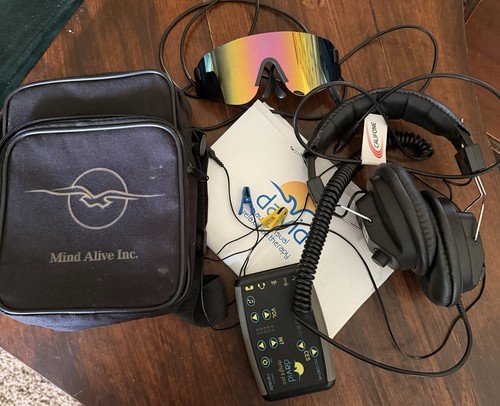
Pictured: Mind Alive David Delight
| Product | Condition | Price | Best For | Session Modes | Intended User |
|---|---|---|---|---|---|
| Mind Alive David Delight Light Sound Therapy Device |
Used | $$$ | Most feature-rich | 25+ programmable | Adults/Teens |
 Kasina Mindplace KAS-01 Mind Media System Kasina Mindplace KAS-01 Mind Media System |
Used | $$ | Immersive meditation | 6+ visual/audio programs | Adults/Teens |
 Zenimal Kids Meditation Audio Device Zenimal Kids Meditation Audio Device |
Used | $ | Children | 9 guided tracks | Kids (5-12) |
 Solu n.o.w. Tone Therapy System Solu n.o.w. Tone Therapy System |
New | $ | Simplest to use | 1-touch playback | All ages |
Pricing key: $ marks the budget tier, $$ the mid-range, $$$ the premium picks. Tiers are relative to the products in this comparison; actual prices update live below.
Spot the difference between programmable, immersive, and simple devices
While all four devices aim to support mindfulness, their approaches are fundamentally different. The Mind Alive David Delight offers the most programming flexibility, with more than 25 light and sound sessions targeting relaxation, alertness, and sleep. You can select sessions that blend pulsed light (via specialized glasses) with synchronized audio, a method sometimes called audiovisual entrainment. This makes it the closest to a clinical-grade option for users who want deep customization.
By contrast, the Kasina Mindplace KAS-01 specializes in immersive audiovisual meditation. It uses “lightframes” (goggles with colored LEDs) and headphones to deliver synchronized visual patterns and soundscapes. The device comes preloaded with at least six core programs, and you can add your own audio files via SD card. This model is ideal if you want a meditative experience that is more engaging than audio-only tracks, but with less complexity than the David Delight.
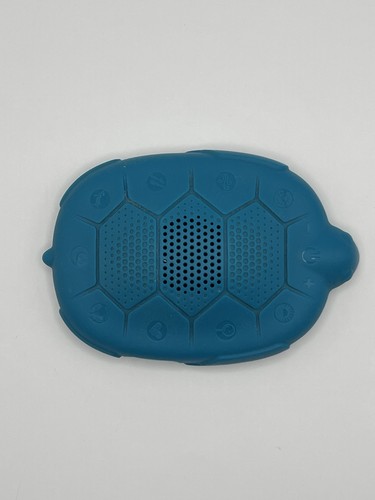
The Zenimal Kids strips away complexity for younger users. It plays nine calming, kid-friendly guided meditations at the press of a button, with no screens or confusing menus. The silicone shell is both tactile and durable. If you’re shopping for a child (or a classroom), this is by far the most age-appropriate pick.
For pure simplicity, the Solu n.o.w. is the outlier. It consists of two small speakers that play a three-minute tone sequence with a single button press—no screens, no setup, no menus. The tones are designed to prompt a mindful pause, making it easy to integrate into breaks, transitions, or pre-bed routines. If you want zero learning curve, this is the device to beat.
Related Guides
- Portable Mini EMS Devices for Travel: Compact Relief on the Go
- Smart Inhalers for Asthma: Which Devices Are Worth Considering?
- Do Pumice Stones Really Help With Calluses?
- Adjustable Footrests for Comfort at Work and Home
- How to Disinfect Yoga Blocks: A Step-by-Step Cleaning Guide
- Exercise Balance Boards That Are Worth It: Our Honest Reviews
How we selected these mindfulness devices
To create this shortlist, we focused on devices with a clear and documented mindfulness or meditation function—specifically, those that use sound, light, or guided audio to support relaxation or focus. We required each product to have a defined user group (adults, children, or all ages), a published spec sheet or product manual, and a track record of retail availability from known brands in this space. Features like number of session modes, type of sensory input (light, sound, both), and how much user setup is required were key differentiators.
We compared the listed specs and positioning of each option against the criteria above, prioritizing products with distinct use-cases and reliable documentation. Unbranded devices, those with no published specs, and generic MP3 players loaded with meditation tracks were excluded. We also skipped smartphone-only apps and any wearable that blurs the line between mindfulness and general fitness tracking.
These devices are not right for everyone. If you want a system that integrates with your existing smart home, collects biofeedback, or offers clinical-grade neurofeedback features, you’ll need a more specialized (and often much pricier) product. This guide is focused on standalone mindfulness aids, not medical devices or general-purpose wearables.
Specifications that actually matter
Session variety and programmability
This determines how much you can tailor the experience. Devices like the Mind Alive David Delight offer over 25 session types, letting you target everything from alertness to sleep, while simpler models offer just one or a handful of modes.
Type of sensory input
Some devices combine light and sound (audiovisual entrainment), while others use only sound (tones, music, or spoken word). Audiovisual systems like the Kasina Mindplace KAS-01 create a more immersive experience, but may not be suitable for people sensitive to flashing lights.
Ease of use
Look at how many steps it takes to start a session. The Solu n.o.w. has true one-touch operation, while more advanced devices require navigating menus or setting up accessories like goggles or headphones.
Intended age range
Not every device is appropriate for all ages. Zenimal Kids is designed specifically for children, with simple controls and child-friendly content. Adult-focused devices may not be suitable or safe for young users.
Session length
Some models, like Solu n.o.w., offer fixed short sessions (three minutes), making them easy to fit into breaks. Others, especially programmable devices, support sessions from a few minutes up to an hour, allowing for deeper practice but requiring more planning.
Decide which mindfulness device fits your situation
If you want the most control and the broadest range of session types, the Mind Alive David Delight is the clear leader. You’ll get a toolbox for relaxation, focus, and even sleep support, but expect a small learning curve. For a more immersive, visually engaging meditation experience without overwhelming options, the Kasina Mindplace KAS-01 is a strong choice—especially if you like the idea of custom soundtracks. The Zenimal Kids is the only device here truly built for children, with simple controls and age-appropriate content. If all you want is to press a button and be guided into a mindful pause, the Solu n.o.w. is the easiest and most accessible solution for any age group.
Still not sure? Consider your main goal: deep, customizable sessions (Mind Alive David Delight), immersive and engaging meditation (Kasina Mindplace KAS-01), kid-friendly mindfulness (Zenimal Kids), or effortless simplicity (Solu n.o.w.). Each device fills a distinct niche.
For a deeper dive into mindfulness practices and evidence, the American Psychological Association provides resources on the benefits and limitations of mindfulness interventions. If you want to review the science behind audiovisual entrainment, the National Center for Biotechnology Information hosts several peer-reviewed studies on the topic.
Frequently asked questions about mindfulness devices
Can mindfulness devices replace meditation apps?
Devices like the Kasina Mindplace KAS-01 and Mind Alive David Delight offer a more immersive, distraction-free experience compared to smartphone apps. However, they are not direct substitutes for the flexibility and portability of apps. If you prefer guided meditation without screens, these devices are worth considering.
How long does a typical session last on each device?
The Solu n.o.w. delivers a fixed three-minute session, ideal for quick resets. Zenimal Kids meditations range from 3 to 10 minutes. The Kasina Mindplace KAS-01 and Mind Alive David Delight both support sessions from about 5 up to 60 minutes, depending on the chosen program.
Is the Mind Alive David Delight worth the higher price over the Kasina Mindplace KAS-01?
If you want maximum programmability and a wide range of session types, the Mind Alive David Delight justifies its premium price. The Kasina Mindplace KAS-01, while less customizable, provides a more visually immersive experience and is easier to use out of the box.
Can adults use the Zenimal Kids device?
Technically, yes—anyone can listen to the guided meditations. However, the content and voice scripts are tailored for children, so adults may not find them as relevant or engaging as other options.
Do these devices require headphones or other accessories?
The Mind Alive David Delight and Kasina Mindplace KAS-01 both use specialized glasses and headphones for their full effect. Zenimal Kids and Solu n.o.w. have built-in speakers and require no extras, making them more convenient for casual use or for children.
What is the return or warranty policy on these devices?
Return and warranty policies depend on the specific retailer and whether the device is sold new or used. The Solu n.o.w. is the only device here listed as new and typically comes with a manufacturer warranty. For used devices, check the seller’s listing for details on returns or limited guarantees.


Last updated: July 2026 · Editorial standards