

9 min read
Disclosure: As an Amazon Associate and eBay Partner Network publisher, we earn from qualifying purchases. This doesn’t affect what we recommend or how we describe it.
The most important thing to know about anti-snoring devices is that their effectiveness depends on the specific cause of your snoring—and the right choice comes down to matching the device to your needs, comfort preferences, and willingness to experiment. This guide compares three of the most reputable, currently available anti-snoring products—each with a distinct approach—so you can make an informed decision without wasting money or time on options that don’t fit your situation.
Top picks at a glance
- SmartGuard Anti Snore Device Customizable Mouthpiece — the most customizable option
- AIRMAX Nasal Dilator — the most compact choice
- Rhinomed Mute Anti Snoring Nasal Device Trial Pack — best for first-time users
Custom-fit, compact, or starter kit: the core differences
Snoring solutions generally fall into two main categories: mouthpieces that reposition your jaw or tongue, and nasal devices that open your airways from the nose. If you have been told you snore with your mouth closed, or you struggle with nasal congestion, a nasal dilator is likely to be the most comfortable starting point. If your snoring is louder when you sleep on your back or with your mouth open, a mouthpiece that adjusts your jaw position may be more effective, though these tend to be bulkier and require a short adjustment period. Below, you’ll find a detailed comparison of three vetted options, each with a different design philosophy.
Anti-snoring device comparison table

Pictured: SmartGuard mouthpiece
| Product | Condition | Price | Best For | Device Type | Custom Fit |
|---|---|---|---|---|---|
| SmartGuard Anti Snore Device Customizable Mouthpiece |
New With Box | $$$ | Maximum customization | Mouthpiece (Mandibular Advancement) | Yes (Boil-and-bite fit) |
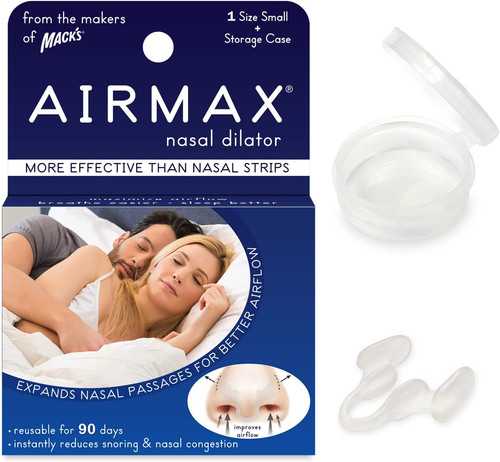 AIRMAX Nasal Dilator AIRMAX Nasal Dilator |
New With Box | $$ | Most compact | Nasal Dilator | No |
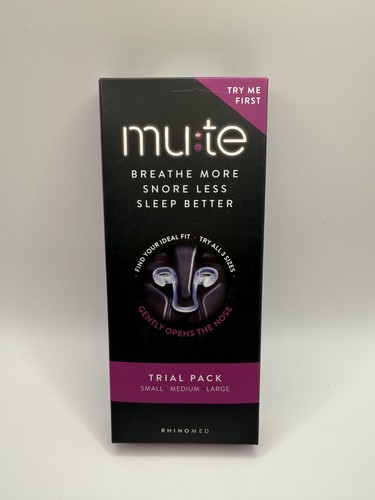 Rhinomed Mute Anti Snoring Nasal Device Trial Pack Rhinomed Mute Anti Snoring Nasal Device Trial Pack |
New With Box | $ | First-time users | Nasal Dilator (Trial Sizes) | Multi-size pack |
Pricing context: $, $$, and $$$ are relative ratings against the other products listed above, not absolute dollar ranges. Live current prices follow below.
Detailed breakdown: when each device makes sense
SmartGuard mouthpiece: for full customization and jaw-based snoring
The SmartGuard Anti Snore Device Customizable Mouthpiece is a mandibular advancement device (MAD), which means it works by gently moving your lower jaw forward to keep your airway open. This style is generally considered the gold standard for people whose snoring is caused by the tongue or soft tissues collapsing at the back of the throat, especially if you snore loudly or with your mouth open. The standout feature here is its boil-and-bite customization, allowing you to mold the mouthpiece to your teeth for a secure fit. This reduces the risk of discomfort or slippage compared to generic one-size-fits-all designs.
However, mouthpieces are bulkier than nasal dilators and can take several nights to get used to. If you have dental work (crowns, bridges, dentures) or jaw joint issues, this style may not be suitable—always consult a dentist before using a MAD. The SmartGuard mouthpiece sits at the premium end of the price range, reflecting its high adjustability and custom fit.
AIRMAX dilator: minimal, unobtrusive, and travel-friendly
The AIRMAX Nasal Dilator is a simple, compact device designed to gently expand your nostrils from the inside, improving nasal airflow. Its soft, medical-grade plastic construction means it’s almost invisible when worn and unlikely to provoke a gag reflex or interfere with mouth breathing. This makes it an excellent choice for people who snore due to nasal congestion or narrow nasal passages, and for anyone who dislikes the idea of a bulky mouthpiece.
Compared to the SmartGuard mouthpiece, the AIRMAX dilator is less intrusive, easier to clean, and requires no fitting process. It can also be popped in or out in seconds—handy for travel or as-needed use. However, it won’t address snoring that originates from the throat or mouth, so it’s best suited for nasal snorers.
Rhinomed Mute: best entry point with multiple sizes
The Rhinomed Mute Anti Snoring Nasal Device Trial Pack stands out as the most beginner-friendly option. The trial pack includes multiple sizes, letting you experiment to find the most comfortable and effective fit before committing to a full-size pack. Like the AIRMAX, it’s a nasal dilator, but its flexible, adjustable stents can be tailored slightly to your nostril shape.
On paper, Rhinomed Mute is the lowest-cost option and the most forgiving for first-timers who aren’t sure what will work. If you’re new to anti-snoring devices, have a sensitive nose, or want to avoid a major up-front investment, this is the logical place to start. The trade-off is that it’s not as durable as a custom mouthpiece, and the trial pack is designed for short-term experimentation rather than long-term nightly use.
Related Guides
- Portable Mini EMS Devices for Travel: Compact Relief on the Go
- Smart Inhalers for Asthma: Which Devices Are Worth Considering?
- Our guide to Exercise Balance Boards That Are Worth It: Our Honest Reviews
- What Is a Digital Force Gauge and How Does It Work?
- Heated Neck and Shoulder Wraps That Actually Relieve Pain
- How to Change the Band on Your Fitness Tracker: Step-by-Step Guide
Specifications that actually matter
Fit Adjustability
This determines how well the device conforms to your individual anatomy. A boil-and-bite mouthpiece (like the SmartGuard) offers true custom molding, which can reduce pressure points and slippage. Nasal dilators with multiple sizes (like Rhinomed Mute) allow some adjustment, but not to the same degree as a custom mouthpiece.
Device Type
Mandibular advancement devices (mouthpieces) physically reposition the jaw and are best for mouth/throat snorers, while nasal dilators simply open the nostrils to aid airflow. Knowing your snoring origin—mouth vs. nose—is crucial for choosing the right type.
Material and Comfort
Look for medical-grade plastics or silicones for both safety and comfort. Rigid materials can cause soreness or irritation; softer, flexible plastics (as found in both AIRMAX and Rhinomed Mute) tend to be gentler on the delicate tissues inside the nose.
Ease of Cleaning
Daily cleaning is non-negotiable. Simpler designs with fewer crevices (like AIRMAX) are faster to rinse and less likely to harbor bacteria. Mouthpieces require more thorough cleaning, especially if worn for extended periods.
Pack Size and Replacement Frequency
Nasal dilators may come in multi-packs or trial packs, which is ideal if you need to find your size or replace the device regularly. Mouthpieces typically last longer, but need to be replaced if they lose their fit or show signs of wear.
How these anti-snoring devices made the shortlist
The selection for this guide started with a focus on established, brand-name devices with clear, listed specifications and a track record of user feedback. We prioritized three main criteria: adjustability (custom fit or size options), device type (mouthpiece vs. nasal dilator), and comfort (material, bulk, and ease of use). Only options with medical-grade materials and a clear, single-purpose design were considered.
Products were excluded if they lacked sizing information, had unclear manufacturer origins, or bundled multiple unrelated items (like sleep masks or earplugs) that obscure the core product’s value. Unbranded or generic listings were also left out due to inconsistent quality and lack of customer support. Since these are over-the-counter devices, none are intended for severe sleep apnea, which requires clinical diagnosis and treatment. If you’re dealing with excessive daytime sleepiness or suspected apnea, consult a healthcare provider before trying any anti-snoring device.
If you are unwilling to tolerate even minor overnight discomfort, or if you have dental implants or chronic nasal issues, this category may not be suitable—speak with a dentist or sleep specialist for alternatives.
Frequently asked questions about anti-snoring devices
How long does it take to adjust to a mouthpiece like the SmartGuard?
Most users report an adjustment period of 3–7 nights before a boil-and-bite mouthpiece feels comfortable. Minor jaw soreness or increased saliva is common at first but usually resolves as your body adapts. If discomfort persists, discontinue use and consult a dental professional.
Is the AIRMAX dilator or Rhinomed Mute better for occasional use?
Both nasal dilators are well-suited for travel or occasional use, but the AIRMAX dilator is more compact and durable, making it easier to bring along and reuse. If you’re unsure of your size or want to test comfort, the Rhinomed Mute trial pack is a more forgiving starting point.
Can I use these devices with allergies or nasal congestion?
Nasal dilators like AIRMAX and Rhinomed Mute are designed specifically to help with nasal airflow, which can be beneficial for mild congestion. However, they are not a substitute for medical treatment of allergies or sinus infections. Severe or persistent congestion should be addressed by a healthcare provider.
How often should I replace these devices?
Mouthpieces such as the SmartGuard typically last from 6 months to a year with daily use, depending on wear and cleaning habits. Nasal dilators are more variable—Rhinomed Mute trial pack devices are designed for short-term use, while AIRMAX can last several months if properly cleaned. Always follow the manufacturer’s recommendations for replacement.
Are anti-snoring mouthpieces safe for people with dental work?
If you have crowns, bridges, dentures, or significant dental work, mandibular advancement devices like the SmartGuard mouthpiece may not be appropriate. Pressure or shifting could damage dental appliances. Always consult your dentist before using any mouthpiece-style anti-snoring device.
How do I know if my snoring is caused by nasal or throat issues?
Generally, if your snoring is worse when you have a cold or allergies, or you breathe through your nose while sleeping, a nasal dilator may help. If your snoring is loudest when sleeping on your back, with your mouth open, or if others report pauses in your breathing, a mouthpiece may be more effective. For persistent or severe cases, a sleep study is the gold standard for diagnosis. For more information, see the Sleep Foundation.
Verdict: which anti-snoring device is right for you?
If you want the highest level of customization and your snoring originates from the mouth or throat, the SmartGuard mouthpiece is the strongest match, provided you have sound dental health and are willing to invest in a premium solution. For those who want the smallest, simplest, and least intrusive device, the AIRMAX dilator is hard to beat, especially for nasal snorers. If you’re just starting out or want a low-risk way to find your fit, the Rhinomed Mute trial pack is the most logical entry point.
All three options are over-the-counter devices intended for mild to moderate snoring. If you have persistent fatigue, choking or gasping at night, or suspect sleep apnea, seek medical advice before trying any anti-snoring product. For further reading on sleep health and snoring management, visit the National Sleep Foundation.
Ready to compare more options? Browse the full selection of anti-snoring devices here.



Last updated: July 2026 · About our research