Disclosure: As an Amazon Associate and eBay Partner Network publisher, we earn from qualifying purchases. This doesn’t affect what we recommend or how we describe it.
9 min read
Most stress relief devices make big promises, but the real differences between them come down to how — and how quickly — they help you reset your body’s stress response. You’ll see everything from wearable biofeedback gadgets to handheld acupressure tools, but not all approaches work the same way, and the science behind them varies. The best device for you depends on whether you want calming in-the-moment relief, long-term stress resilience, or both. The details matter: from vibration frequency to the type of feedback, even battery life and noise levels can shape your experience. Here’s what actually separates the options that work from those that collect dust in a drawer. For more detail, see American Psychological Association: Stress resources.
Stress Relief Devices: What’s Actually Out There?
Stress relief devices fall into a handful of core categories, each targeting stress from a different angle:
- Biofeedback wearables (HRV, GSR, EEG): These track your body’s stress signals — like heart rate variability or skin conductivity — then coach you to calm down using breathing or relaxation cues.
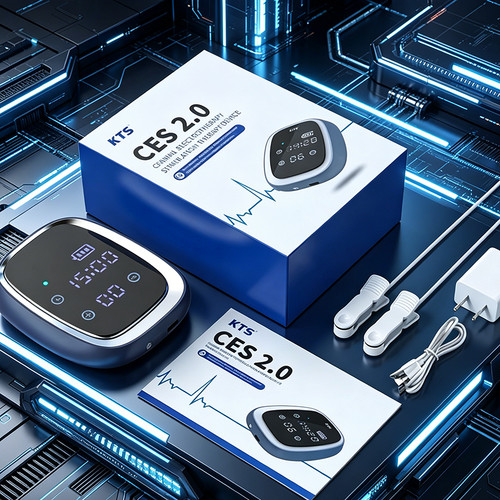
- Electrical nerve stimulators (TENS, CES): These use low-level electrical pulses, usually delivered via earlobe or wrist, to nudge your nervous system into a more relaxed state.
- Handheld acupressure or massage tools: These stimulate pressure points or muscle groups to promote relaxation, often using vibration or manual pressure.
- Light and sound therapy devices: These use specific light wavelengths (often in the 630-850 nm red/NIR range) or audio frequencies (typically 100-500 Hz for binaural beats) to influence mood and stress perception.
- Breathing pacers and guided relaxation aids: These cue you to slow your breathing or practice mindfulness, sometimes with visual lights or tactile feedback.
Some devices blend categories — for instance, a wearable that combines HRV tracking with vibration or audio cues. The most effective options are grounded in research and offer feedback that’s actionable, not just data for data’s sake.
If you’ve narrowed your shortlist and want new stock with free returns, Amazon is the practical choice.
Check Amazon →How the Options Compare: Table of Real-World Differences
| Buying Profile | How It Works | Best For | Key Specs | Trade-Offs |
|---|---|---|---|---|
| Biofeedback wearable for data-driven users | Monitors HRV or GSR, delivers real-time feedback via app or vibration | People who want to measure progress and see trends | HRV accuracy within ±3 ms; battery life 5-7 days; Bluetooth sync | Requires daily wear; app setup; learning curve |
| Portable nerve stimulation device | Sends electrical pulses (0.5-3 mA) via earlobe or wrist | Users needing rapid, physical relaxation on demand | Session lengths 10-20 min; intensity adjustable; rechargeable | Not suitable for those with implanted medical devices; tingling sensation |
| Handheld acupressure/massage tool | Applies pressure or vibration (40-120 Hz) to key points | Physical tension relief; on-the-go use without batteries | Manual or battery-powered; compact (under 6”) | Doesn’t target mental stress directly; may require learning technique |
| Light and sound therapy device | Delivers red/NIR light (630-850 nm) or calming audio (100-500 Hz) | People who respond to sensory cues; non-invasive users | Session 10-30 min; light intensity 20-100 mW/cm²; headphones optional | Results can be subtle; requires consistent use |
| Simplest breathing pacer | Guides slow breathing with lights or pulses (5-7 breaths/min) | Users who want quick calming without tech | No app required; battery or USB-powered; silent operation | Limited features; no tracking or customization |
Which Device Fits Your Stress — and Your Life?
Choosing a stress relief device isn’t just about what’s “most advanced.” It’s about matching the tool to how and when you feel stress, and what you’ll realistically use. Here’s how the main profiles break down:
- Biofeedback wearables make sense if you want to understand your stress patterns and track improvements over time. Look for HRV accuracy within ±3 ms, and a battery life of at least 5 days. Most sync via Bluetooth and require pairing with an app, so comfort with tech is important.
- Nerve stimulation devices are best for people who want a rapid, noticeable shift — many users report a calming effect within 10-20 minutes. These deliver pulses at intensities up to 3 mA, often with multiple settings. However, they’re not recommended for those with pacemakers or a history of seizures.
- Acupressure tools suit those who carry stress in their muscles or jaw. Battery-powered versions vibrate at 40-120 Hz, while manual ones rely on your technique. They’re compact and silent, but don’t address mental stress directly.
- Light and sound therapy appeals to users sensitive to sensory input. Red/NIR light therapy uses wavelengths between 630-850 nm and intensity of 20-100 mW/cm²; binaural beats or white noise typically cover 100-500 Hz. These require consistent use and may take weeks to notice a difference.
- Breathing pacers are the lowest-friction option: no setup, just follow the lights or pulses for 5-7 breaths per minute. They’re nearly silent and ultra-portable, but provide no data or trend tracking.
Still unsure? See what’s available to compare these profiles side-by-side.
What Science Actually Says About Stress Relief Devices
Not all stress relief devices are created equal when it comes to research. Heart rate variability (HRV) biofeedback, for instance, has a strong evidence base: multiple clinical studies show HRV training can reduce perceived stress, anxiety, and even blood pressure. Devices that use galvanic skin response (GSR) or EEG provide interesting feedback, but the actionable value for non-clinical users is less clear — the key is whether the device guides you to change your state, not just report numbers.
Electrical nerve stimulation — especially cranial electrotherapy stimulation (CES) — is backed by moderate-quality evidence for short-term anxiety and insomnia relief, with typical session intensities between 0.5-3 mA. However, effects are highly individual, and these devices are not for everyone. Acupressure tools and vibration massagers have smaller, but positive, studies for tension headaches and muscle relaxation, usually at vibration frequencies between 40-120 Hz. Light and sound therapies are still emerging, with some evidence for mood improvement but less clarity on stress-specific outcomes. Breathing pacers are supported by decades of research on slow, paced breathing reducing sympathetic nervous system activity — the simplest, most proven mechanism of all.
What matters most: Devices that give you actionable cues (breathe slower, relax your jaw, adjust your posture) tend to create more lasting benefit than those that just track passive data. The best device is the one you’ll actually use when stress hits.
Related Guides
- Laser Therapy Devices That Are Actually Worth Buying
- Medical Ice Packs That Actually Work: Top Picks for Pain Relief
- Back Stretcher Devices That Really Work: Our Top Recommendations
- How Do Red Light Therapy Devices Work? The Science Explained
- EMS Machine vs TENS: What’s the Real Difference for Pain Relief?
- Browse all Buying Guides →
Common Mistakes and What Specs Actually Matter
Many buyers get caught up in features that sound impressive but don’t impact stress relief. Here’s what deserves your attention:
- Vibration frequency: For massage/acupressure, aim for devices in the 40-120 Hz range. Too low, and you won’t feel much; too high, and it may be uncomfortable.
- Pulse intensity: For nerve stimulation, look for adjustable settings up to 3 mA. Fixed-intensity devices can be either too weak or too strong.
- Battery life: For wearables, a minimum 5-day battery life ensures you won’t abandon the device out of charging fatigue.
- Noise level: For desk or office use, devices under 40 dB are nearly silent and won’t draw attention.
- App quality: If you’re tracking data, a confusing or buggy app will torpedo your motivation to use the device. Look for clear trend graphs and actionable coaching.
- Fit and comfort: Wearables should have adjustable straps or multiple sizes. A device that pinches or slips won’t get used, no matter how advanced the tech.
- Research transparency: Look for devices that cite published studies, ideally with reference to device parameters (wavelength, frequency, etc.) that match what’s been validated in research.
Ignore “bonus” features like step tracking or generic sleep scores unless they genuinely add value for your goals.
Who Should Avoid Certain Stress Relief Devices?
Not every device is safe for everyone. Electrical nerve stimulators are contraindicated if you have a pacemaker, implanted defibrillator, or a history of epilepsy. Light therapy devices should be used cautiously if you have photosensitivity or certain eye conditions. Biofeedback wearables are generally safe, but may cause skin irritation if worn too tightly or for long periods. If you’re pregnant or have a chronic medical condition, check with your provider before starting anything with electrical or light stimulation — and never use these as a substitute for medical care. For most healthy adults, acupressure tools and breathing pacers are low-risk, but technique matters: improper use can cause soreness or discomfort.
For a safer first step, view options that require no electrical stimulation or light exposure.
Real-World Scenarios: Which Device Solves Which Kind of Stress?
- Desk-bound tension: A silent acupressure tool or breathing pacer is discreet, needs no app, and can be used between meetings.
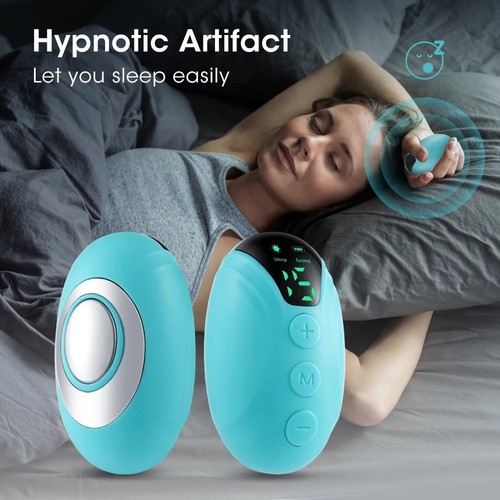
- Sleep-disrupting anxiety: Nerve stimulation or light/sound therapy devices are designed for pre-bed routines, with session timers and calming modes.
- Performance stress (public speaking, exams): Biofeedback wearables can coach you to slow your breathing and lower your heart rate in real time, with vibration or audio cues you can follow on the sly.
- Chronic muscle tightness: Battery-powered massage tools with variable frequency let you target knots without a trip to the therapist.
- On-the-go relief: Compact, no-battery acupressure tools fit in a pocket and are always ready, while wearables can track stress throughout your day.
Ready to see what fits your needs? Check current prices for each profile above.
If you’ve narrowed your shortlist and want new stock with free returns, Amazon is the practical choice.
Compare Options on Amazon →FAQs: People Also Ask About Stress Relief Devices
Do stress relief devices really work?
The best evidence supports devices that guide breathing (paced at 5-7 breaths per minute) and HRV biofeedback wearables. Nerve stimulation and acupressure tools have moderate evidence, especially for short-term relief. Devices that only track data without prompting action are less likely to reduce stress on their own.
Are there side effects to using these devices?
Most stress relief devices are low risk, but nerve stimulation can cause skin tingling or minor irritation, and should not be used with implanted medical devices. Overuse of vibration tools can cause soreness. Light therapy can trigger photosensitivity in rare cases. Always follow device instructions and stop if you experience discomfort.
How long does it take to feel results?
Some devices, like nerve stimulators or acupressure tools, can provide relief within 10-20 minutes. Biofeedback and breathing pacers may require regular use over days to weeks for lasting benefits. Light and sound therapy effects tend to build gradually with consistent sessions.
Can these devices replace therapy or medication?
Stress relief devices can complement professional care, but they are not substitutes for therapy or prescribed medication. They offer tools for self-management, but severe or persistent stress should be discussed with a healthcare provider.
What’s the quietest option for office use?
Breathing pacers and manual acupressure tools operate under 40 dB and are virtually silent. Most biofeedback wearables are also unobtrusive. Avoid massage tools or sound devices if you need absolute silence during use.
How do I know if I’m using the device correctly?
Biofeedback wearables and breathing pacers often provide real-time cues or feedback (like vibration or color changes) when you’re in the desired state. For acupressure and massage tools, follow manufacturer diagrams and avoid applying excessive force. If you’re unsure, start with short sessions and increase gradually.
The Bottom Line: Choose Action Over Hype
Stress relief devices range from high-tech wearables to simple, silent tools — but the best choice is the one you’ll use consistently. Prioritize devices with actionable feedback, proven specs (like HRV accuracy or vibration frequency), and a form factor that fits your life. Don’t get distracted by flashy features or vague claims. Whether you want fast-acting calm or long-term stress resilience, there’s a tool that can help — but it won’t work unless you actually use it. Take a close look at your real stress triggers and pick the device profile that matches. That’s how you get your money’s worth — and your peace of mind.