10 min read
Disclosure: As an Amazon Associate and eBay Partner Network publisher, we earn from qualifying purchases. This doesn’t affect what we recommend or how we describe it.
The most effective back stretcher device for home use is the one that matches your specific flexibility, spinal needs, and commitment to daily use. No single design works for everyone. Devices with adjustable arch heights and a stable non-slip base offer the most versatility for most people, but the right pick depends on your pain points, body size, and whether you want passive stretching, active traction, or deep muscle release. This guide breaks down the real trade-offs between the main types, what specs actually matter, and how to avoid common mistakes—so you can confidently choose the best back stretcher for your situation.
Why most “best back stretcher” lists miss the mark
Many “top picks” lists simply round up the most popular or heavily marketed products, but few explain how different stretcher designs actually interact with your body. Some devices target lumbar decompression; others focus on thoracic (mid-back) extension, and a few combine stretching with acupressure or massage. The wrong choice can be uncomfortable—or even ineffective—if you don’t know what problem you’re trying to solve. Here’s what you need to know before comparing options.
How the main types of back stretcher devices work
There are three main categories of back stretchers you’ll see on the market:
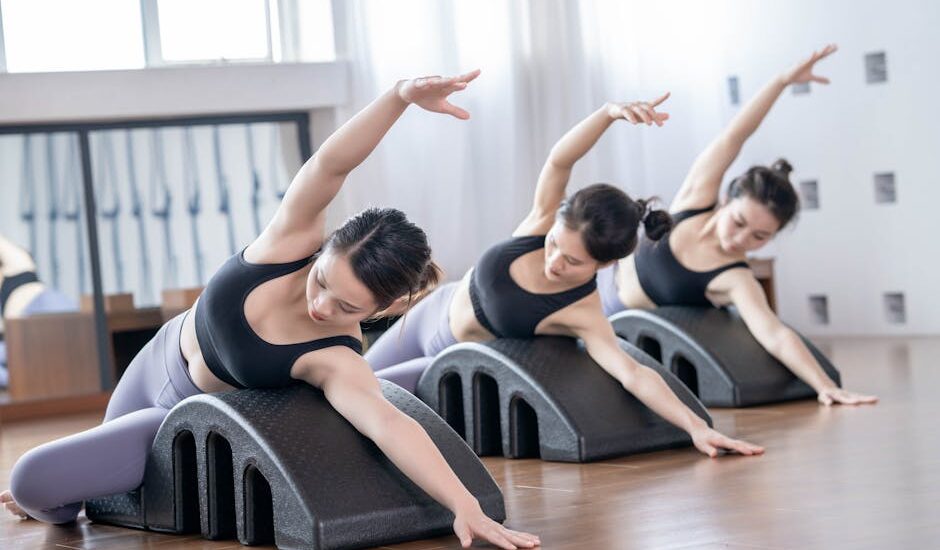
- Arch-based stretchers: Rigid or semi-flexible plastic arches that you lie on, using your body weight to create a gentle spinal extension. Most have 2-4 adjustable height settings (typically from 4cm to 10cm arch rise).
- Traction benches: Padded benches or mats with a lever or strap system to create lumbar traction. These can provide up to 10-15cm of stretch but require more setup space and are less portable.
- Foam rollers and massage wheels: Cylindrical foam or wheel-based devices, usually 30-40cm long and 10-15cm in diameter, for dynamic back rolling. These are more active and engage muscles as you roll.
Each has a distinct feel and effect on your spine. The right category depends on whether you want passive extension, active muscle release, or decompression via traction.
How the options compare: a side-by-side look
| Type | Best For | Adjustability | Arch/Stretch Range | Portability | Price |
|---|---|---|---|---|---|
| Adjustable arch stretcher | General back tightness, beginners | 2-4 height levels | 4–10cm arch rise | Lightweight, fits in bag | $ |
| Fixed arch stretcher | Simple, single-height use | One height | 6–8cm arch rise | Ultra-light, compact | $ |
| Traction bench | Chronic lumbar compression | Manual or strap-adjusted | Up to 15cm lumbar stretch | Bulky, not travel-friendly | $$$ |
| Foam roller/wheel | Muscle knots, active release | Body-position based | 10–15cm diameter | Moderate, fits gym bag | $$ |
| Acupressure mat/board | Back tension with trigger points | Usually fixed | 4–8cm arch, 100–400 spikes | Rolls or folds up | $ |
About the $ symbols: they’re a quick budget/mid/premium read of where each option sits relative to the others in this comparison. See current prices in the live listings below.
Real-world fit: Who each stretcher style suits best
Choosing the right back stretcher isn’t just about features—it’s about matching your body, your pain points, and your daily routine. Here’s how the main types fit different users:
- Arch-based adjustables are the safest bet for most people starting out. If you’re under 6’2” and under 250 lbs, most models will fit. Look for a minimum width of 24–27cm to properly support the spine and shoulder blades.
- Fixed arch boards are best for those who want a set-it-and-forget-it device and don’t need to adjust for flexibility. These can be too aggressive for beginners on higher arches.
- Traction benches suit people with chronic lumbar compression or disc issues who want a more clinical, decompression-focused stretch. These take up more space (typically 100–120cm long) and aren’t designed for travel.
- Foam rollers and wheels are better for athletic users or those with significant muscular tightness. They require more upper body engagement and balance.
- Acupressure mats/boards appeal to those who like multi-sensory stimulation or want to add trigger point therapy to their stretching.
Consider your primary goal: Do you want to passively open your chest and spine, actively roll out knots, or decompress the lower back? Each device excels in a different role.
What most buying guides get wrong about safety and comfort
Many guides gloss over two crucial factors: weight capacity and surface finish. Most arch-based stretchers have a weight limit between 200–300 lbs. Exceeding this can cause dangerous flexing or breakage. Always check for a stated maximum—if it’s not published, be wary.
Surface texture also matters. Cheaper devices may have sharp plastic ridges or poorly finished seams that dig into the skin. Look for stretchers with smooth, rounded edges or a thin EVA foam pad. If you have sensitive skin or plan to use the device shirtless, this is non-negotiable.
Finally, stability is critical. Devices with a base width under 20cm are more prone to tipping, especially on hard floors. Rubberized feet or non-slip pads make a real difference in everyday use.
Specifications that actually matter
Arch Height Range
This controls the intensity of the stretch. Most adjustable devices offer 2–4 settings from 4cm (gentle) to 10cm (deep). If you have limited flexibility, start with the lowest setting. Taller users (over 6’0”) often benefit from higher arches.
Weight Capacity
Always check the rated maximum load—typically between 200–300 lbs for plastic arches and up to 350 lbs for reinforced benches. Exceeding this risks sudden failure.
Base Width
A width of at least 24cm offers stable support for the spine and prevents wobbling. Narrower devices can tip or dig into the back muscles unevenly.
Surface Material
Look for EVA foam, soft TPE, or at least well-rounded plastic. Hard, unpadded surfaces can leave marks or cause discomfort, especially with higher arches or prolonged use.
Adjustability
Multiple arch heights (ideally 3 or more) let you progress as your flexibility improves. Fixed-height devices offer less flexibility and may be too intense for new users.
Common mistakes: What to avoid when choosing a back stretcher
It’s easy to get swept up by marketing claims about “instant relief” or “miracle alignment.” Here are the pitfalls that actually matter:
- Choosing a device with no published weight limit, especially if you’re over 200 lbs.
- Buying a fixed-height arch that’s too high for your flexibility—this can cause muscle spasms or strain.
- Underestimating the importance of a non-slip base. Devices that slide can lead to falls or muscle pulls.
- Ignoring surface finish. Hard, unpadded stretchers are uncomfortable for most users, especially on bare skin.
- Opting for the cheapest device available. Sub-$20 stretchers often have rough seams and poor plastic quality.
To avoid these mistakes, scrutinize specs and user reviews for real-world durability, not just price.
Related Guides
- Our guide to How to Choose a Biofeedback Device for Effective Stress Management
- Upright vs Recumbent Bike: Key Differences Explained
- Weighted Vests vs Wrist and Ankle Weights: Which Is Right for You?
- Sleep Apnea Mouthpieces That Work: What to Know Before You Buy
- Smart Bathroom Scales That Sync Seamlessly With Your iPhone
- How to Choose the Right Adjustable Shower Chair for Seniors
How to get the most from your back stretcher (and when to skip it)
Even the best device won’t help if used inconsistently or incorrectly. For most users, 5–10 minutes per day is sufficient to see gradual improvements in flexibility and tension. Place the device on a flat, firm surface—never on a soft bed or unstable chair.
Start at the lowest arch setting and add a folded towel for extra cushioning if needed. If you experience sharp pain, tingling, or numbness, stop immediately. Back stretchers are not substitutes for medical care; people with severe osteoporosis, recent spinal surgery, or herniated discs should consult a healthcare professional before use. The Spine-Health portal is a good resource for understanding back care basics.
For those with general stiffness, gradual daily use can improve posture and comfort. If you want to see what’s available in each category, compare today’s deals.
What to expect: Results, limitations, and real-world use
Back stretchers are best for mild to moderate tension, posture fatigue, and general flexibility—not for acute injuries. Most users report a sense of “opening” across the chest and spine after a few weeks of consistent use. However, deep muscle knots or true nerve pain may not respond.
Arch-based stretchers and foam rollers can help with daily tension, but traction benches offer a more clinical decompression effect. Expect to spend 5–10 minutes per session. Portability varies: arch stretchers fit in a gym bag, while traction benches are best left assembled at home.
Wondering which style is right for your routine? Check current prices and see which models best fit your space, flexibility, and budget.
Specifications that actually matter
Arch Height Range
This controls the intensity of the stretch. Most adjustable devices offer 2–4 settings from 4cm (gentle) to 10cm (deep). If you have limited flexibility, start with the lowest setting. Taller users (over 6’0”) often benefit from higher arches.
Weight Capacity
Always check the rated maximum load—typically between 200–300 lbs for plastic arches and up to 350 lbs for reinforced benches. Exceeding this risks sudden failure.
Base Width
A width of at least 24cm offers stable support for the spine and prevents wobbling. Narrower devices can tip or dig into the back muscles unevenly.
Surface Material
Look for EVA foam, soft TPE, or at least well-rounded plastic. Hard, unpadded surfaces can leave marks or cause discomfort, especially with higher arches or prolonged use.
Adjustability
Multiple arch heights (ideally 3 or more) let you progress as your flexibility improves. Fixed-height devices offer less flexibility and may be too intense for new users.
FAQ: What real buyers want to know about back stretcher devices
How long should you use a back stretcher device each day?
Most users find that 5–10 minutes per day is sufficient, especially when starting out. Overuse can lead to muscle soreness or strain, so it’s best to begin with shorter sessions and gradually increase as your body adapts.
Arch stretcher vs. traction bench — which is better for lower back pain?
Traction benches provide a deeper decompression effect, making them preferable for chronic lumbar compression or disc issues. Arch stretchers are better for general flexibility and posture improvement but offer less targeted traction.
What’s the typical weight limit for back stretcher devices?
Most arch-based stretchers are rated for 200–300 lbs, while reinforced traction benches can handle up to 350 lbs. Always check the manufacturer’s published limit to avoid device failure.
Can you use a back stretcher if you have scoliosis or herniated discs?
People with scoliosis or herniated discs should consult a healthcare professional before using any back stretcher. Some devices may exacerbate certain spinal conditions. It’s essential to get medical clearance to avoid injury.
How does a foam roller compare to an arch stretcher for back relief?
Foam rollers provide dynamic muscle release and are ideal for targeting knots and tight fascia, especially in athletic users. Arch stretchers offer passive spinal extension and are better for posture correction and gentle stretching.
What is the return policy or warranty for most back stretcher devices?
Return policies vary, but most reputable sellers offer a 30-day return window and a 1-year limited warranty against defects. Always check before purchase, especially if you’re buying from a smaller or lesser-known vendor.
Do back stretcher devices actually improve posture?
Regular use can help open up the chest and lengthen the spine, which may contribute to better posture over time. However, results depend on consistency and should be combined with overall movement and ergonomic changes for best effect.
Where to go for deeper guidance and clinical context
If you want to understand more about spinal health, decompression, and safe stretching, the Cleveland Clinic offers evidence-based resources on back pain management and prevention. For hands-on device reviews and user experiences, consumer forums and physical therapy sites can provide additional perspectives.
The best back stretcher device is the one you’ll actually use—and that fits your body, your flexibility, and your space. Adjustable arch stretchers are the most versatile for most people, but traction benches and foam rollers serve specific needs. Scrutinize specs, avoid the cheapest options, and prioritize comfort and stability. For most buyers, a mid-range, adjustable arch with a smooth surface and a solid weight rating is the smartest starting point. View options and choose the configuration that’ll keep your spine moving and your routine sustainable.


Last updated: July 2026 · Our editorial process