8 min read
Disclosure: As an Amazon Associate and eBay Partner Network publisher, we earn from qualifying purchases. This doesn’t affect what we recommend or how we describe it.
Are any wearable hydration monitors accurate enough to trust? That’s the question at the heart of this search. With so many devices promising to track your hydration in real time, it’s easy to assume the technology is as mature as fitness trackers or heart rate monitors. The truth is more nuanced: only a handful of wearables attempt true hydration measurement, and each takes a very different approach—each with its own trade-offs, accuracy limitations, and use-case sweet spots.
This article breaks down exactly what’s on the market, what’s plausible based on current science, and how to choose the best wearable hydration monitor for your needs—whether you’re an endurance athlete, a tech enthusiast, or simply looking to avoid dehydration in daily life. Expect real technical details, practical buying advice, and the clinical context behind the hype.
What “Hydration Monitoring” Actually Measures
Most commercial hydration wearables fall into one of two camps: those that estimate hydration indirectly (using sensors for skin conductance, temperature, or heart rate variability) and those that attempt direct measurement (such as sweat analysis or bioimpedance). Few, if any, can directly tell you your blood plasma osmolality—the gold standard for hydration status—in real time. Instead, they use proxies, each with its own strengths and drawbacks.
- Skin conductance: Measures how well your skin conducts electricity, which rises with sweat and moisture. Sensor accuracy typically varies ±10% depending on placement, skin type, and environmental factors.
- Bioimpedance: Sends a low electrical current through the body to estimate total body water. Consumer-grade wearables usually operate at a single frequency (often 50 kHz), while clinical devices use multi-frequency for more accuracy.
- Sweat analysis: Uses microfluidic patches or chemical sensors to measure sweat rate, sodium, or chloride. These are the only wearables offering real-time electrolyte loss data, but only during exercise substantial enough to produce measurable sweat (typically >0.2 mg/cm²/min).
None of these methods is perfect. Each is influenced by factors like skin temperature, movement, and even hydration method (water vs. electrolyte drink). But for active users or those with a medical need to avoid dehydration, the best hydration wearables can offer actionable trends—if you understand their limits.
How the Options Compare: Wearable Hydration Monitor Types
| Type | Measurement Method | Key Spec | Battery Life | Use Case Fit | Price |
|---|---|---|---|---|---|
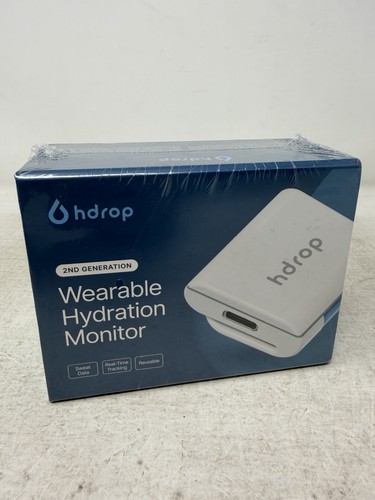
| Bioimpedance Wristband | Single-frequency impedance (50 kHz) | Hydration estimate ±5% | 5–7 days | Daily tracking, general wellness | $$ |
| Sweat Patch Sensor | Microfluidic sweat analysis | Detects sweat rate ≥0.2 mg/cm²/min | 8–12 hours (single use) | Endurance sports, heat exposure | $$$ |
| Skin Conductance Band | Galvanic skin response (GSR) | Relative hydration trend | 7–10 days | Habit tracking, reminders | $ |
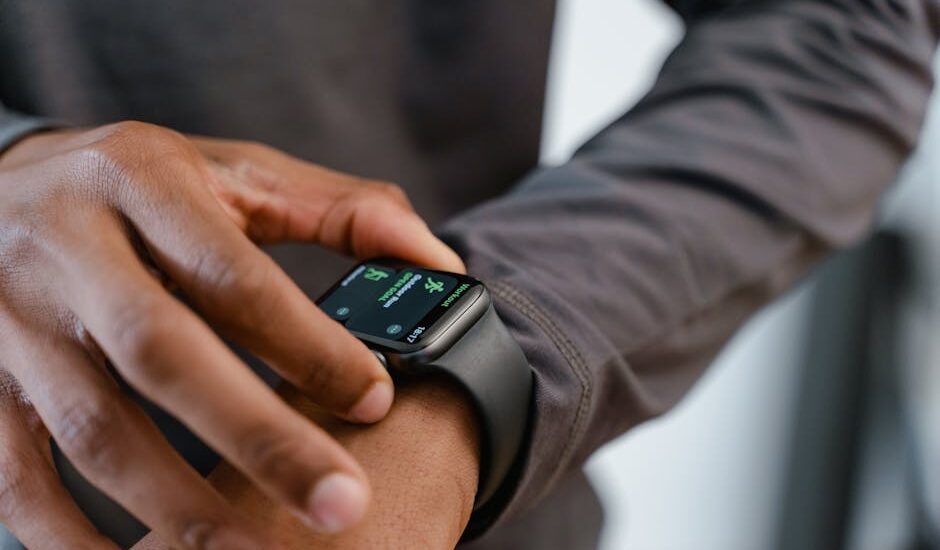
| Integrated Fitness Tracker | Algorithmic (HRV + temp + GSR) | Hydration “score” (trend only) | 3–5 days | Fitness data ecosystem | $$ |
| Adhesive Patch (Bioimpedance) | Multi-frequency bioimpedance | Body water ±2% | 24–48 hours (disposable) | Clinical, guided rehydration | $$$ |
$ / $$ / $$$ indicates budget / mid-range / premium relative to the picks above. Check live listings further down for current prices.
What Shapes Real-World Accuracy
Understanding how well a wearable hydration monitor works requires more than just reading the spec sheet. For example, a bioimpedance wristband’s claimed ±5% accuracy can drop in hot weather or after a workout due to sweat and electrolyte changes impacting the skin-electrode interface. Sweat patch sensors, on the other hand, only work when you’re actually sweating—meaning they’re useless for tracking hydration at rest or in cool conditions.
Skin conductance bands are highly sensitive to lotions, skin oils, and even environmental humidity. Integrated fitness trackers that “estimate” hydration based on heart rate variability and temperature are best thought of as trend monitors rather than precise measuring devices—they can suggest when you might be underhydrated but can’t quantify your deficit.
Clinical-grade adhesive patches with multi-frequency bioimpedance are closer to medical standards (±2% body water accuracy), but they’re expensive, sometimes require a smartphone for data interpretation, and are generally disposable after 1–2 days.
Related Guides
Matching Options to Actual Needs
The best wearable hydration monitor for you depends on your primary goal. Here’s how the main types stack up in real-world scenarios:
- For endurance athletes: Sweat patch sensors are the only wearables capable of real-time electrolyte loss tracking. Look for sweat rate sensitivity of at least 0.2 mg/cm²/min and sodium/chloride detection if you want actionable data for rehydration. Note that these are single-use and may cost more over time.
- For general wellness: Bioimpedance wristbands provide a decent estimate of hydration trends, with battery life up to a week and accuracy within ±5%. They’re less intrusive than patches and better for all-day wear.
- For clinical monitoring: Multi-frequency bioimpedance patches offer the closest thing to hospital-grade hydration tracking, but at a much higher price and with the inconvenience of frequent replacement.
- For tech ecosystem users: Integrated fitness trackers with hydration “scores” are convenient if you want hydration reminders and broad trend data, but don’t expect medical-grade precision.
For anyone with a specific medical condition affecting fluid balance (e.g., kidney disease, heart failure), no consumer wearable should replace clinical monitoring. For healthy adults, these devices are best used for feedback and habit-building, not as diagnostic tools.
Quick decision tree
- If you want actual electrolyte loss data during exercise: Choose a sweat patch sensor.
- If you need all-day trend tracking for daily wellness: Go with a bioimpedance wristband.
- If clinical-level body water accuracy is essential: Pick an adhesive bioimpedance patch.
- If you’re already invested in a fitness ecosystem and want hydration reminders: Use an integrated fitness tracker with hydration scoring.
- If affordability and simplicity matter most: A skin conductance band is your best bet.
Common Pitfalls and What Specs Actually Matter
Several mistakes crop up repeatedly among buyers of wearable hydration monitors. The first is overestimating what “hydration tracking” means: unless a device specifies a direct measurement method (bioimpedance or sweat analysis), it’s likely just an algorithmic estimate. Always check for a stated accuracy range (e.g., “±5% body water”) and what frequency bioimpedance is used—single-frequency is less accurate than multi-frequency, especially for those with high muscle mass.
For sweat patch sensors, verify the minimum detectable sweat rate (ideally ≤0.2 mg/cm²/min for runners or cyclists) and whether the patch can measure sodium/chloride—not just sweat volume. Battery life matters less for single-use patches, but is crucial for wristbands and conductance bands; expect 5–10 days for most rechargeable options. Finally, comfort and skin compatibility are non-trivial—adhesive patches can irritate sensitive skin, while rigid wristbands may cause pressure marks during long wear.
For more on how body water is measured and the challenges of real-time monitoring, see this overview from the National Institutes of Health.
Affiliate Picks: Where to Start Your Search
- Check current prices for bioimpedance wristbands if daily trend tracking is your priority.
- View options for sweat patch sensors designed for sports and electrolyte testing.
- Compare today’s deals for adhesive multi-frequency patches if you want clinical-grade accuracy.
FAQ: Real-World Questions About Wearable Hydration Monitors
How accurate are wearable hydration monitors compared to laboratory methods?
Most consumer-grade wearables have an accuracy of ±5–10% for body water estimation, while laboratory methods like plasma osmolality or isotope dilution can detect changes as small as 1–2%. Sweat sensors are more variable, with error margins up to ±15% depending on environmental conditions and sweat rate. For general wellness, these devices offer useful trends, but they’re not replacements for clinical-grade assessment.
Can a hydration wearable warn me before I get dehydrated?
Some wearables can signal a downward trend in hydration, but most can’t detect acute dehydration before symptoms appear. Devices that use skin conductance or algorithmic scores are best for reminders and habit tracking, not for early clinical warning. Sweat patch sensors can help athletes avoid excessive electrolyte loss, but only during exercise.
How often do sweat patch hydration sensors need to be replaced?
Most single-use sweat patch sensors last for one workout session, typically 8–12 hours depending on sweat rate and environment. After that, accuracy drops and the adhesives lose effectiveness. For regular use, this can add up in cost, so factor in replacement frequency when deciding if this approach is right for you.
Bioimpedance wristband vs. sweat patch sensor — which is better for daily life?
For daily, all-conditions tracking, bioimpedance wristbands are more practical. They offer multi-day battery life and trend data regardless of activity level. Sweat patch sensors are better for athletes during workouts but aren’t suited for continuous wear or tracking hydration at rest.
Are wearable hydration monitors safe for people with medical conditions?
Most are safe for general use, but those with implanted electronic devices (e.g., pacemakers) should avoid bioimpedance-based wearables unless cleared by a healthcare provider. Adhesive sensors may cause skin irritation in sensitive individuals. Always consult with a medical professional before relying on these devices for medical decision-making.
What warranty or return options are common for hydration wearables?
Wristband and band-style hydration monitors typically come with 12-month warranties covering manufacturing defects, but not wear-and-tear or water damage. Sweat patch sensors and disposable adhesive patches are usually not returnable once opened, so check seller policies before buying in bulk. Look for clear warranty terms and responsive customer support—especially if investing in higher-priced options.
Why These Devices Still Matter—If You Know Their Limits
No wearable hydration monitor is a medical device replacement, and none can guarantee perfect hydration tracking under all conditions. But the best options can offer actionable trends, timely reminders, and—especially for athletes—insight into sweat and electrolyte loss. The key is choosing a device that matches your real-world needs, knowing its limitations, and using it as a guide rather than gospel. For most users, a bioimpedance wristband or sweat patch sensor is the best starting point. Explore more about hydration and performance in the peer-reviewed literature if you want to go deeper on the science before making a choice.
Last updated: July 2026 · Editorial standards