Disclosure: As an Amazon Associate and eBay Partner Network publisher, we earn from qualifying purchases. This doesn’t affect what we recommend or how we describe it.
8 min read
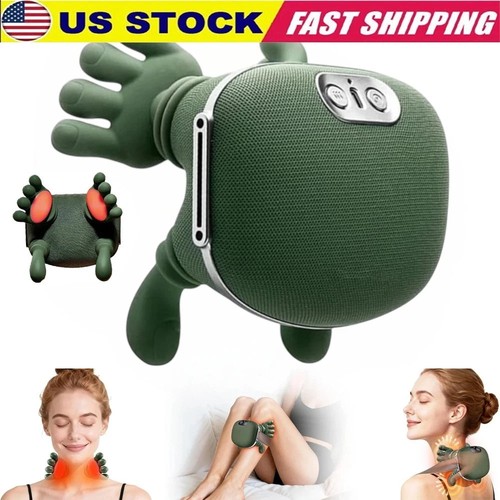
Most percussion massagers look similar on the outside, but what actually separates a top performer from an overpriced dud is buried in the details—stroke amplitude, stall force, noise level, battery endurance, and the real-world ergonomics of daily use. If you’re searching for the top percussion massagers, the difference between a satisfying, muscle-melting experience and a device that gathers dust comes down to specs that most marketing glosses over. The best choice for you isn’t always the one with the highest price or most attachments, but the one that matches your body, your pain points, and the way you actually plan to use it. Here’s what truly matters—and how to make sense of a crowded market without falling for hype. For more detail, see ACE Fitness on percussion massage guns.
Why Amplitude and Stall Force Matter More Than “Percussions Per Minute”
Most brands shout about their percussions per minute (PPM) stats, often in the 1,600–3,200 range. But the real muscle relief comes from amplitude (the distance the head travels) and stall force (how much pressure the motor can handle before it stalls). A top-tier massager offers an amplitude of at least 12–16mm—a true deep-tissue device, not just surface vibration. Stall force matters if you want to press into tight quads or hamstrings: you’ll need at least 30–40lbs of resistance before the motor bogs down. Entry-level models may claim similar PPMs, but with amplitudes under 10mm and stall forces below 20lbs, they simply can’t deliver the same relief for dense muscle groups.
If you’ve narrowed your shortlist and want new stock with free returns, Amazon is the practical choice.
Check Amazon →Comparing the Real Use Profiles: What Sets Each Category Apart
Not all percussion massagers are built for the same user. Some prioritize brute force for athletes, others focus on low noise for shared spaces, while some are designed for portability above all else. Here’s how to distinguish the categories that actually matter:
- Deep-Tissue Powerhouses: 14–16mm amplitude, 40–60lbs stall force, 3–5 head attachments, typically 2–3lb weight. Ideal for athletes or users with dense muscle mass. Usually louder (55–65dB) due to larger motors.
- Compact/Travel Models: 8–12mm amplitude, 15–30lbs stall force, 1–3 heads, weight under 1.5lbs. Fits in a gym bag, but limited for larger muscle groups or chronic knots.
- Quiet/Office-Friendly Options: 10–13mm amplitude, 25–40lbs stall force, ultra-quiet operation (under 50dB). Sacrifice some power for stealth—best for shared spaces or home offices.
- Budget Picks: 8–10mm amplitude, 15–25lbs stall force, 1–2 heads, basic controls, often heavier or less ergonomic. Sufficient for light use, but can struggle on tougher knots.
Each buying profile comes with trade-offs. You can compare today’s deals across these categories to see which aligns with your actual needs.
How the Options Compare: Real-World Specs Table
| Profile | Amplitude (mm) | Stall Force (lbs) | Noise Level (dB) | Weight (lbs) | Battery Life (hours) | Attachments | Best For |
|---|---|---|---|---|---|---|---|
| Deep-Tissue Powerhouse | 14–16 | 40–60 | 55–65 | 2–3 | 2–3 | 3–5 | Serious athletes, chronic knots |
| Compact/Travel | 8–12 | 15–30 | 48–60 | 0.8–1.5 | 2–4 | 1–3 | Gym bags, office drawers |
| Quiet/Office-Friendly | 10–13 | 25–40 | 45–50 | 1.5–2.2 | 3–5 | 2–4 | Shared apartments, offices |
| Budget Pick | 8–10 | 15–25 | 55–70 | 2–4 | 1–2 | 1–2 | Occasional, light use |
What Most Buyers Overlook: Ergonomics and Attachment Quality
On paper, a massager with high amplitude and stall force looks perfect, but using it for more than a minute can be a chore if the handle is poorly designed or the attachments are low quality. The best percussion massagers offer balanced, angled grips that don’t fatigue your wrist during tricky reaches (like the upper back or glutes). Attachment heads should be made from dense, medical-grade silicone or polycarbonate—cheap foam tips degrade quickly and can harbor bacteria. Some attachments are shaped for specific jobs: a flat head for quads, a bullet head for knots, a fork for the spine. If you’re dealing with sensitive areas or bony joints, softer attachments are a must. See what’s available that balances specs with real-world comfort.
Battery Life and Charge Time: What’s Realistic?
Marketing often promises “up to 6 hours” of battery life, but that’s usually at the lowest speed, with minimal pressure. In real use—medium speed, moderate pressure—you’ll get 2–3 hours from a quality device. Look for lithium-ion batteries rated at 2,400–2,600mAh, and expect a full recharge to take 2–3 hours. Swappable batteries are rare outside of high-end models, but can be a game-changer for heavy users or clinics. For most, a full charge every few days is more than sufficient, but avoid models that can’t hold at least 90 minutes of real-world runtime.
Noise: The Decibel Difference in Everyday Life
Noise level is measured in decibels (dB), and the difference between 45dB and 65dB is night and day when you’re using a massager in a quiet home or apartment. Top “quiet” models operate under 50dB—about the level of a quiet conversation—while power models can reach 65dB, similar to a vacuum cleaner. If you plan to use your massager late at night, or in a shared space, noise may matter more than raw power. For gym or sports field use, you can prioritize stall force instead.
Related Guides
Clinical Context: What Percussion Therapy Can—and Can’t—Do
Research shows percussion massagers can improve short-term muscle soreness, range of motion, and circulation. They’re particularly helpful for warm-up and post-exercise recovery, and can be a useful tool for managing delayed onset muscle soreness (DOMS). However, they are not a substitute for professional physical therapy in cases of injury, nor do they “break up” scar tissue as some marketing suggests. The benefits are real for muscle relaxation and mild pain relief, but expect incremental, not miraculous, results. If you have circulatory issues, nerve pain, or use blood thinners, consult a healthcare professional before starting percussion therapy.
Who Should Choose Each Type? Matching Profile to User
- Heavy lifters and athletes: Opt for 14–16mm amplitude, 40+lbs stall force. You need deep penetration for large muscle groups and chronic knots. Don’t sweat the noise.
- Desk workers and casual users: 10–13mm amplitude, moderate stall force (25–35lbs), low noise (<50dB) for neck, shoulders, and forearms. Ergonomics matter more than raw power.
- Travelers or gym-goers: Compact, 8–12mm amplitude, under 1.5lbs, 2–3 heads. Accept some loss in power for portability.
- Budget-conscious buyers: Basic models with 8–10mm amplitude, 1–2 heads. Fine for occasional soreness, but not for chronic issues.
For each profile, you can check current prices and see which models best fit your needs.
Common Mistakes: What to Avoid When Shopping
- Chasing high PPM numbers: Percussions per minute above 3,000 don’t matter if amplitude is low—it just feels buzzy, not deep.
- Ignoring ergonomics: Heavy or poorly balanced devices will fatigue your hand and wrist, making you less likely to use them regularly.
- Overlooking warranty and build quality: A solid 1–2 year warranty is standard on quality massagers. Cheap plastics and low battery quality are common in bargain models.
- Buying too much power: If you’re sensitive or plan to use it on smaller muscle groups, a 16mm amplitude device can be overkill and even uncomfortable.
If you’ve narrowed your shortlist and want new stock with free returns, Amazon is the practical choice.
Compare Options on Amazon →FAQs About Top Percussion Massagers
What is the ideal amplitude for a deep-tissue percussion massager?
An amplitude of 14–16mm is considered ideal for deep-tissue work. This allows the massage head to penetrate muscle tissue effectively, reaching knots and tight areas that lower amplitude devices can’t access. Lower amplitudes (under 10mm) are better suited for surface-level relief.
How much stall force should I look for?
For most users, a stall force of at least 30–40lbs is sufficient. Athletes or those with dense muscle mass may benefit from 50–60lbs. If you apply heavy pressure during massage, a higher stall force ensures the motor won’t stall out during intense sessions.
Are more attachments always better?
Not necessarily. Most users only need 2–3 quality attachments for general use (flat, bullet, fork). More attachments can add versatility, but what matters most is the quality of materials and the fit for your specific needs. Cheap foam heads wear out quickly and can feel abrasive.
How loud are percussion massagers?
Noise levels vary from 45dB (quiet conversation) up to 70dB (vacuum cleaner). Quiet models under 50dB are best for home or office use, while high-power models can be noticeably louder but deliver more force. Always check real user reviews for reported noise during actual use.
Do percussion massagers help with injury recovery?
Percussion massagers can help manage muscle soreness and improve circulation, which may benefit recovery after exercise. However, they are not a substitute for medical treatment or physical therapy if you have a serious injury. Use them as part of a broader recovery routine, not as your only tool.
How long should a session last?
Most experts recommend limiting use to 1–2 minutes per muscle group, with a total session lasting 10–15 minutes. Longer sessions are rarely necessary and can cause irritation or bruising. Always start with lower intensity and adjust based on your comfort.
Can percussion massagers be used on the neck or spine?
Use caution when massaging the neck or along the spine. Always use softer attachments and avoid direct pressure on bones. For these sensitive areas, low amplitude and low speed are safest. Consult a healthcare professional if you have any concerns.
Bottom Line: The Top Percussion Massager Is the One That Fits Your Real Needs
There’s no universal “best”—the top percussion massager is the one that matches your body, your pain points, and your environment. Don’t get distracted by marketing hype or endless attachments. Focus on amplitude, stall force, ergonomics, and noise level for your actual lifestyle. A quality device that’s comfortable to use, delivers the right depth, and fits your daily routine will deliver far more relief than the flashiest new launch. Choose wisely, and you’ll actually look forward to your recovery sessions.