8 min read
Disclosure: As an Amazon Associate and eBay Partner Network publisher, we earn from qualifying purchases. This doesn’t affect what we recommend or how we describe it.
Electric scalp massagers attract three very different types of buyers: those looking to ease tension headaches or scalp discomfort, people chasing improved hair health or growth, and anyone simply wanting a spa-like relaxation experience at home. The best choice for you depends far more on your primary goal and how you plan to use the device than on any single spec. Here’s what actually matters—whether you want deep-kneading relief, a gentle daily habit, or the most tech-packed gadget for scalp self-care.
Spot the difference between rolling nodes and soft bristle designs
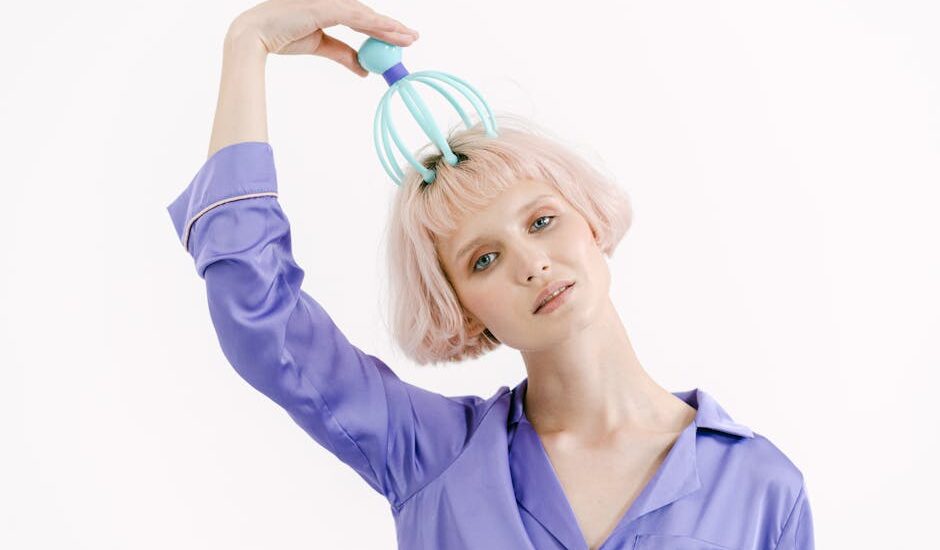
Most electric scalp massagers fall into two main categories: those with firm, rotating nodes and those with soft silicone bristles. The node-based designs use three to four motorized arms ending in rounded tips, typically covering 60-90mm in diameter per pass. They mimic the circular, kneading pressure of a professional massage, which can help with tension or deep relaxation. Soft bristle models, on the other hand, use dozens of flexible “fingers” (usually 40-60 per head) that vibrate or oscillate. These excel for gentle stimulation, distributing shampoo, or encouraging blood flow without intense pressure.
Which is better? For scalp pain, tightness, or stress relief, the node types (with adjustable speed, usually 2-4 settings between 120-220 RPM) deliver more substantial results. For sensitive skin or daily use—especially if you have fine hair or a tender scalp—the bristle types (often with vibration amplitudes of 1.5-3mm) are safer and less likely to snag hair. Some hybrid designs attempt to blend both, but usually lean toward one approach.
Choose the right power source—battery life and waterproofing matter more than you think
Electric scalp massagers run on either built-in rechargeable batteries (most common), replaceable AA/AAA batteries, or direct plug-in power. Rechargeable models typically last 60-120 minutes per full charge, translating to 8-16 sessions if you use them for 8-10 minutes at a time. Look for USB-C or magnetic charging for convenience and a full recharge time under 3 hours. Disposable battery models are lighter but usually run only 20-40 minutes per pair of batteries, and the cost adds up fast.
Waterproofing is non-negotiable if you plan to use the device in the shower or with shampoo. True IPX7-rated devices can be submerged in 1 meter of water for 30 minutes without damage—adequate for bath or shower use. Many cheaper models claim “water resistance” but only handle light splashes (IPX4 or below), which limits them to dry use. Always check the exact rating, not just the marketing language.
How the options compare: A side-by-side look at real buying profiles
| Category | Best For | Massage Type | Waterproof Rating | Battery Life (minutes) | Price |
|---|---|---|---|---|---|
| Deep-kneading node | Tension relief & headaches | Rotating 3-4 node arms, 120-220 RPM | IPX7 | 80–100 | $$$ |
| Gentle bristle vibration | Sensitive scalp, daily use | 40–60 silicone bristles, 1.5–3mm amplitude | IPX6 | 100–120 | $$ |
| Hybrid node + bristle | Mixed-use, multiple users | 2–3 node arms + 30–40 bristles | IPX7 | 60–90 | $$$ |
| Compact travel-size | Portability, quick sessions | Mini 2-node or 20–30 bristle heads | IPX5 | 40–60 | $ |
| Tech-integrated (app-enabled) | Habit tracking, custom routines | Adjustable node/bristle settings, app feedback | IPX6 | 90–110 | $$$$ |
Note on pricing: the $ symbols are relative tiers within this comparison — $ is the cheapest of the bunch, $$$ the priciest. Live listings (and exact prices) appear further on.
Don’t overlook these real-world trade-offs
The most expensive option isn’t always the best fit. Deep-kneading node massagers feel incredible for tension, but can be heavy (often 300-400g) and may tangle long hair if not used carefully. Bristle vibrators are lighter (typically 120-180g), quieter (usually under 52dB), and easier to maneuver, but may not satisfy those wanting a true “massage therapist” effect.
Hybrid models sound perfect in theory, but the added complexity can mean more parts to clean and a higher risk of mechanical failure. Tech-integrated models with Bluetooth and app routines offer habit streaks and reminders, but require setup and ongoing app updates—great for the data-driven, unnecessary for simple relaxation.
Portability matters if you travel, but compact units often sacrifice motor strength (usually maxing out at 150 RPM or 1.5mm vibration amplitude) and battery life. Always check weight, grip comfort, and whether the charger type matches your other devices.
What’s the real story on scalp health and hair growth?
There’s no shortage of claims about scalp massagers “stimulating hair growth” or “improving follicle health.” Here’s what the evidence actually says: mechanical scalp stimulation can increase local blood flow and may help with exfoliation, but results for hair growth are mixed. A leading dermatology association notes that while scalp massage can improve circulation and reduce tension, there’s limited clinical proof it directly leads to new hair growth in most users.
Where these devices shine is in breaking up product buildup, reducing itchiness, and making shampooing more effective—especially for those with thick or oily hair. For tension headaches, the pressure and movement can provide temporary relief, similar to a basic head or neck massage. If your goal is clinical hair regrowth, consult a dermatologist; for comfort and scalp care, a well-chosen massager is a practical tool.
Related Guides
- How to Charge an Electric Heating Pad: Step-by-Step Instructions
- Our guide to Air Compression Leg Massagers That Are Actually Worth Buying
- Electric Facial Cleansing Brushes That Are Actually Worth Buying
- Electric Foam Rollers That Are Worth It: Our Top Picks and Reviews
- Electric Foot Baths Worth Buying: Features, Benefits, and Top Picks
- Electric Pill Crushers That Are Worth Buying
Total cost of ownership
Beyond the purchase price, electric scalp massagers come with several ongoing costs and considerations:
- Replacement heads or bristles: Most units require new silicone tips every 6–12 months for hygiene (typically $10–$25/year).
- Battery replacement or charging: Rechargeable models have built-in batteries that may degrade after 2–3 years. Out-of-warranty battery replacement can cost $20–$40, or require buying a new device. Disposable-battery models can consume $15–$30/year in batteries with regular use.
- Cleaning supplies: Regular cleaning (especially for shampoo use) may require gentle soap or device-safe disinfectant, costing $5–$10/year.
- Accessory upgrades: Some massagers offer optional attachments (e.g., firmer nodes, longer bristles) which can add $10–$20 per upgrade.
- App subscriptions: For tech-integrated devices, some advanced features (habit tracking, analytics) may require an annual app fee of $10–$30.
Factor these into your budget—especially if you plan on sharing the device or using it daily.
Common mistakes: What trips up most buyers?
Three errors come up again and again. First, underestimating the importance of waterproof rating—using a non-IPX7 device in the shower is the fastest way to kill it. Second, assuming more nodes or bristles always means better results: coverage matters, but comfort and motor quality matter more. Third, ignoring grip and ergonomics. A massager that’s too bulky or slippery will end up at the back of a drawer. Always try to gauge handle size (ideally 35–50mm diameter for most hands) and weight before buying.
Who shouldn’t buy an electric scalp massager?
These devices aren’t for everyone. If you have open scalp wounds, severe dermatological conditions, or recently had hair transplants or scalp surgery, consult a medical professional before use. People with very fine, brittle hair may find even the gentlest models tangle or pull hair. And if your primary goal is proven hair regrowth, current evidence suggests you’ll need more than mechanical stimulation—consider talking to a dermatologist for tailored advice.
FAQs: Real answers to real scalp massager questions
How long does a typical electric scalp massager last before needing replacement?
Most quality electric scalp massagers last 2–3 years with regular use (3–5 times per week), provided you replace heads or bristles as recommended and avoid submerging non-waterproof parts. Battery life often declines after the second year, especially with daily charging.
Which is better for thick hair: node or bristle designs?
Node-based massagers tend to penetrate thick hair more effectively, reaching the scalp without tangling as easily as dense bristles. However, some bristle models with wider spacing and longer tips can also work well. For very thick or curly hair, choose a massager with at least 3–4 node arms and a robust motor (above 150 RPM).
Can scalp massagers cause hair loss if used too often?
When used correctly, electric scalp massagers are unlikely to cause hair loss. However, using high-pressure settings daily, especially with aggressive node types, can irritate the scalp or break fragile hair. Stick to moderate pressure and avoid long sessions (over 10 minutes) unless you know your scalp tolerates it.
Is it safe to use an electric scalp massager with medicated shampoos?
Yes, most waterproof (IPX7) scalp massagers can be used with medicated shampoos. Just be sure to rinse both your hair and the device thoroughly after each use, as residue buildup can degrade silicone tips and motors over time. For non-waterproof models, stick to dry use only.
What’s the difference in noise level between types?
Bristle vibration massagers are usually quieter, operating at 45–52dB (about the level of a quiet conversation). Node-based models can be louder, especially on higher speeds, reaching 55–65dB. If low noise is a priority, check decibel ratings before buying.
Is there a warranty or return period I should look for?
Most reputable scalp massager brands offer a 1-year warranty covering defects or motor failure. Some premium models extend this to 2 years. Always check the return policy—30 days is standard—so you can test comfort and performance risk-free.
Node vs. bristle: Which is better for headaches or migraine relief?
Deep-kneading node designs are generally preferred for tension-type headaches or scalp muscle tightness, as they simulate hands-on massage. Bristle types are gentler and better for daily relaxation or scalp care, but may not provide enough pressure for significant headache relief.
Ready to choose? Here’s how to match your pick to your real needs
If you crave intense relief for scalp tension or headaches, a deep-kneading node massager (IPX7, 3+ speed settings) is worth the investment—just be mindful of weight and grip. For gentle, daily stimulation or shampooing, a bristle vibration model keeps things simple and low-maintenance. Mixed-use households or those who love tracking habits might prefer a hybrid or app-integrated option, but only if you’ll actually use the features. As always, start with your goal, check for waterproofing, and don’t be swayed by marketing noise. See what’s available or Compare today’s deals to find the right fit for your scalp and your budget.


Last updated: July 2026 · Editorial standards