7 min read
Food debris stuck under orthodontic wires is more than an annoyance—it’s the leading reason people with braces develop cavities and gum problems during treatment. Traditional flossing can be a frustrating, time-consuming battle with brackets and wires. This leads many to ask: does a water flosser actually solve these problems, or is it just another gadget collecting dust in the bathroom? The answer depends on how you use it, what you expect, and what the clinical evidence really shows about water flossers for people with braces. For more detail, see CDC oral health overview.
How Water Flossers Tackle Braces: What Actually Changes?
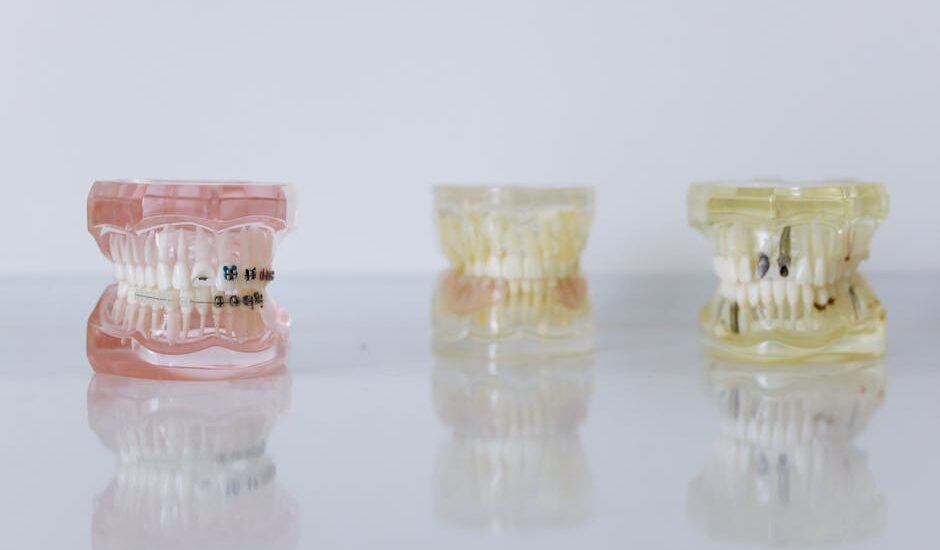
Braces create dozens of tiny ledges and traps where food and plaque accumulate. Manual flossing with string can reach under the wire, but maneuvering it between every tooth is tedious and often incomplete. Water flossers (also called oral irrigators) use a focused jet of water—typically at pressures ranging from 30 to 100 psi—to blast debris from between teeth and around orthodontic hardware. For more detail, see Wikipedia: Water flosser.
This isn’t a gentle rinse. The pulsating stream (often 1200-1600 pulses per minute) can dislodge particles you won’t reach with brushing alone. For those with braces, the biggest advantage is speed and coverage: you can clean under wires, around brackets, and between teeth in under two minutes, with no threading required.
Clinical studies consistently show that water flossers remove significantly more plaque around orthodontic appliances than brushing alone. One randomized trial found up to 3x greater reduction in bleeding and inflammation compared to brushing only. However, water flossers are not a perfect replacement for traditional floss—they’re best thought of as an adjunct for hard-to-reach areas.
Shopping new with fast Prime shipping? Amazon usually has the best stock.
How Water Flossers Stack Up Against String Floss and Interdental Brushes
When you have braces, your options for interdental cleaning narrow to three main contenders: traditional string floss (with a floss threader), interdental brushes, and water flossers. Each has strengths and trade-offs, and the best choice depends on your dexterity, patience, and dental priorities.
Comparing Your Options: Real-World Pros and Cons
| Profile | How It Works | Time per Session | Best For | Drawbacks |
|---|---|---|---|---|
| Water flosser | Pressurized water stream cleans around brackets and under wires | 1-2 minutes | Fast, thorough cleaning; those with limited dexterity | Needs power/water; not as effective for sticky plaque |
| String floss (with threader) | Thread floss under wire, slide between teeth | 7-12 minutes | Meticulous plaque removal; those willing to spend time | Labor-intensive; difficult for back teeth |
| Interdental brushes | Small brush inserted between teeth and under wire | 3-5 minutes | Cleaning larger gaps; quick touch-ups | May not fit tight contacts; can bend easily |
What Clinical Evidence Says About Water Flossers for Braces
Several studies have evaluated water flossers specifically in orthodontic patients. The most cited research compared a water flosser used once daily to string floss and brushing alone. Results showed:
- Up to 75% reduction in plaque around brackets versus brushing only
- Significant decrease in gingival bleeding (a marker for gum inflammation)
- Comparable or slightly less effective than meticulous string flossing for tight contacts
Importantly, the studies note that water flossers are particularly effective at removing food debris and loose plaque, but may not fully disrupt mature, sticky plaque biofilm. For braces, where food impaction is the main problem, this is often enough to prevent most issues—especially if you struggle with traditional flossing.
What Features Actually Matter When Choosing a Water Flosser for Braces?
The water pressure range is critical. For braces, a device with a pressure range of at least 70-100 psi is ideal for dislodging debris under wires. Models with lower maximum pressure (below 50 psi) are usually too weak for orthodontic cleaning.
Look for a tip specifically designed for orthodontics—these often feature a tapered brush or rubberized tip to help sweep around brackets. Standard jet tips (narrow, smooth plastic) are less effective at scraping along the gumline and around hardware. A reservoir capacity of 400-600ml is enough for a full 2-minute session without refilling.
Noise level can be a factor—most water flossers operate at 60-80dB, about the volume of a normal conversation. Cordless models are quieter but may sacrifice water pressure and reservoir size.
Common Mistakes When Using a Water Flosser with Braces
Two errors come up repeatedly among new users. First, holding the tip too far from the gumline—this reduces the cleaning effect dramatically. The tip should be angled at 90 degrees and placed as close as possible (1-2mm) to the gumline, moving slowly along the bracket edges.
Second, skipping the lower front teeth and molars. These are the most common spots for decalcification (white spots) and cavities in orthodontic patients. Make a deliberate pass along both the inside and outside surfaces of these teeth.
Finally, don’t expect a water flosser to replace brushing or regular dental checkups. It’s an adjunct, not a substitute.
Related Guides
Who Actually Benefits Most—and Who Might Not Need One?
Water flossers are a game-changer for anyone who finds string flossing with braces intolerable—children, teens, and adults with limited dexterity or crowded teeth. They’re also helpful if you have sensitive gums that bleed with traditional flossing, or if you have a history of gum inflammation around orthodontic appliances.
On the other hand, if you are already consistent and skilled with string floss (using a threader), a water flosser may not offer a dramatic improvement in gum health. For the rare person with very tight contacts and no food impaction, traditional floss still removes more plaque in those areas. For most, however, the speed and thoroughness of a water flosser outweigh these small differences.
If you travel frequently or have limited counter space, a compact cordless model with a 200-300ml reservoir and at least 70 psi pressure is the most practical.
Care, Maintenance, and How Long They Really Last
Water flossers require regular cleaning to prevent mold and mineral buildup. Always empty and dry the reservoir after use, and clean tips weekly with diluted vinegar or hydrogen peroxide. Replace tips every 3-6 months for optimal function—orthodontic tips wear out faster than standard ones due to bristle friction on brackets.
Most units last 2-4 years with daily use, but hard water can shorten lifespan. If you notice a drop in pressure or irregular spray, check for clogs in the tip or hose before replacing the device.
Shopping new with fast Prime shipping? Amazon usually has the best stock.
FAQs: Answers to Real Questions About Water Flossers and Braces
Can a water flosser damage my braces or wires?
No, when used as directed, water flossers are safe for orthodontic appliances. The water pressure is not strong enough to dislodge brackets or bend wires. Always use the orthodontic tip and recommended pressure settings to avoid discomfort.
Do dentists recommend water flossers for people with braces?
Most orthodontists recommend water flossers as a supplement to brushing and, if possible, traditional flossing. They’re especially encouraged for patients who struggle to use string floss, as they significantly reduce food debris and gum inflammation.
Is a water flosser as effective as flossing with braces?
For removing loose food and reducing gum bleeding, water flossers are highly effective—often more so than imperfect string flossing. However, they may not remove as much sticky plaque between tight teeth, so combining both methods offers the best results.
How often should I use a water flosser with braces?
Daily use is ideal, preferably at night to remove debris accumulated during the day. After meals is also helpful if you notice a lot of trapped food, but once per day is the minimum recommended by most dental professionals.
Can children with braces use a water flosser safely?
Yes, most water flossers are safe for children under adult supervision. Choose a model with adjustable pressure (starting at 30-50 psi) and an orthodontic tip. Teach children to start on the lowest setting and gradually increase as they become comfortable.
What should I do if my gums bleed when using a water flosser?
Mild bleeding is common when starting, especially if your gums are inflamed. This usually improves within a week of daily use. If bleeding persists beyond two weeks, consult your orthodontist to rule out underlying gum disease or improper technique.
The Real Takeaway: Is a Water Flosser Worth It for Braces?
For most people with braces, a water flosser is more than a convenience—it’s the single best way to keep your mouth clean and comfortable without the hassle of threading and tugging with string floss. While it’s not a complete replacement for traditional flossing, the clinical evidence and real-world experience both point to major improvements in gum health, reduced cavities, and a much easier daily routine. Choose a model with at least 70-100 psi, an orthodontic tip, and a reservoir big enough for a full session. Used correctly, a water flosser pays for itself in saved dental work and peace of mind.