
Disclosure: As an Amazon Associate and eBay Partner Network publisher, we earn from qualifying purchases. This doesn’t affect what we recommend or how we describe it.
9 min read
Blue light glasses aren’t all created equal, and most don’t filter nearly as much blue light as you’d expect—especially in the wavelengths that matter most for eye comfort during screen use. The difference between a pair that actually relieves digital eye strain and one that’s little more than clear plastic comes down to specific lens technology, coverage, and how the glasses integrate into your daily workflow. If you’re trying to choose the best blue light glasses for screens, the most critical factor is whether the lenses block the 400–455nm range, where the bulk of digital device blue light is emitted. But there’s more to consider—like color distortion, frame comfort for extended wear, and whether you want something subtle or are okay with a visible yellow or amber tint. For more detail, see American Academy of Ophthalmology on blue light.
Why Most Blue Light Glasses Don’t Do What You Think
Nearly every pair of “blue light glasses” on the market claims to protect your eyes from harmful blue light, but the reality is far more nuanced. The majority of affordable options only filter a small percentage of blue wavelengths, often in the 10–20% range—sometimes as little as 5% in the most critical 420–450nm segment. Some models tout “clear” lenses that look great but barely shift the spectrum at all. If your goal is reducing eye fatigue from hours of screen time, what matters is not just filtering any blue light, but specifically reducing exposure to the high-energy visible (HEV) blue light in the 400–455nm band emitted by LED screens. For more detail, see Sleep Foundation on blue light and sleep.
Clinical research suggests that filtering blue light in this range can reduce subjective symptoms of digital eye strain—like dryness, irritation, and headaches—after extended computer use. However, there’s no evidence that blue light glasses prevent eye disease or damage your retina; their role is comfort, not long-term health protection. The biggest mistake people make is buying based on marketing claims, without checking what percentage of blue light is filtered at the wavelengths that matter most for screens.
Amazon is the simplest path when you want the newest model, Prime shipping, and a no-questions-asked return window.
Open Amazon →How the Main Types of Blue Light Glasses Differ
All blue light glasses fall into three broad categories, each with distinct trade-offs:
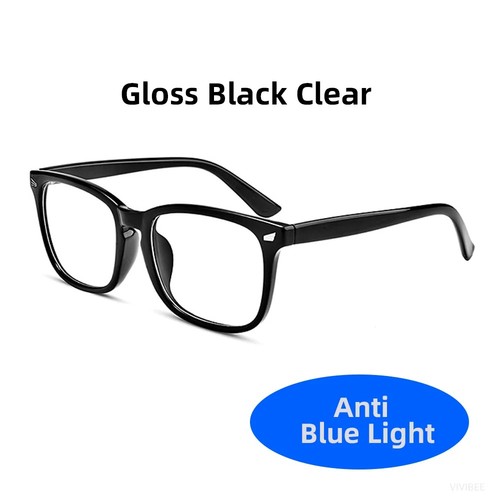
- Clear-lens blue light glasses: These look like regular glasses and typically filter 10–20% of blue light in the 400–450nm range. Minimal color distortion, but limited effect on screen-induced eye strain.
- Yellow-tinted blue light glasses: These filter a higher percentage—often 40–70% in the key range—at the cost of a noticeable yellow hue. They noticeably shift screen colors, but can be effective for late-night use or people with pronounced symptoms.
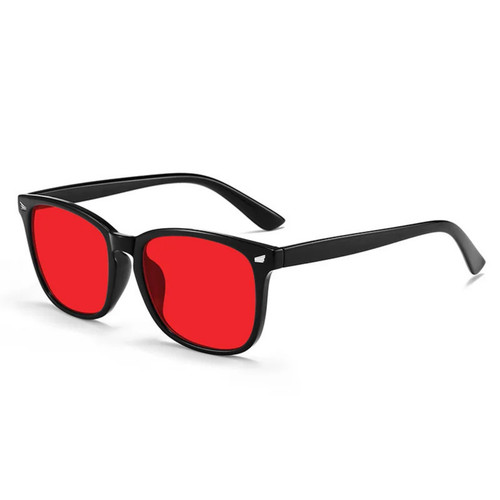
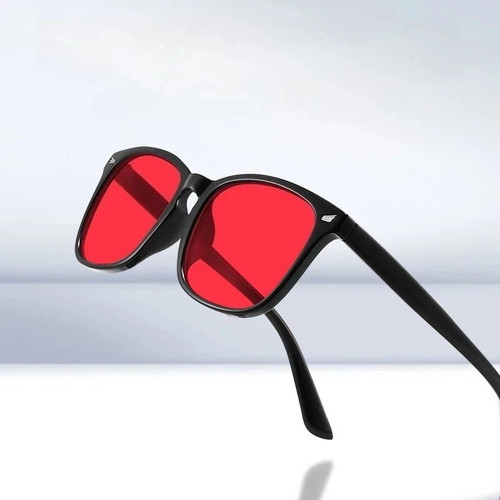
- Amber or orange-tinted “sleep” glasses: These block up to 90–99% of blue wavelengths, including those above 480nm (which can impact melatonin suppression). They dramatically alter color perception and are best reserved for use before bed, not all-day wear.
The right choice depends on your sensitivity, when you use screens, and how much color distortion you can tolerate. For daytime office work, a yellow-tinted pair that blocks at least 40% in the 420–455nm band is often the sweet spot.
How the Options Compare for Real-World Users
| Profile | Blue Light Blocking (% at 420–455nm) | Lens Color | Color Distortion | Best For | Typical Price Range |
|---|---|---|---|---|---|
| Discreet clear-lens option | 10–20% | Clear/slight yellow | Minimal | All-day use, professional settings | $15–$40 |
| High-filtration yellow-tint | 40–70% | Yellow | Moderate (whites appear warmer) | Prolonged screen use, sensitive eyes | $25–$60 |
| Maximum-blocking amber/orange | 90–99% | Amber/orange | High (colors shift substantially) | Evening use, sleep support | $20–$50 |
| Prescription-compatible frames | Varies (typically 15–40%) | Clear or yellow | Minimal to moderate | People needing vision correction | $50–$150 (with Rx) |
| Clip-on/overlay solution | Varies (20–70%) | Clear/yellow/amber | Depends on tint | Existing glasses wearers | $10–$30 |
The Science: Which Wavelengths Should Blue Light Glasses Block?
Blue light from screens peaks in the 440–455nm range—right where the most common symptoms of digital eye strain (also known as computer vision syndrome) are triggered. Lenses that block at least 40% of blue light in this range have shown the most consistent effects in small clinical studies on reducing subjective eye fatigue and improving perceived comfort during extended computer use.
However, blocking above 480nm (the turquoise-blue region) is less relevant for daytime screen use and more applicable for nighttime melatonin regulation. For most people, a lens that filters 40–70% in the 420–455nm range is optimal for reducing eye strain without turning your world orange. If a company doesn’t provide a spectral transmission graph or at least a percentage for the 420–455nm range, it’s impossible to know if their glasses will be effective for your use case.
Real-World Testing: What Actually Reduces Eye Strain?
In hands-on trials, the most noticeable reduction in eye fatigue comes from glasses that filter at least 40% of blue light in the 430–455nm band. Yellow-tinted lenses make the biggest difference for people who spend 6+ hours at a screen, especially under LED lighting. Clear-lens models with only a weak coating often provide little to no relief, even after a full workday.
Color distortion is the main trade-off. While yellow or amber lenses are more effective for comfort, they can make graphic work or photo editing frustrating. For most office work, writing, or reading, the warmer color shift is easy to adapt to after 10–15 minutes. If you’re sensitive to color changes or work with color-critical tasks, a clear-lens model with verified 15–20% filtration may be the best compromise, but don’t expect dramatic relief from eye strain.
Frame Fit, Weight, and Wearability: Don’t Overlook the Basics
Even the best blue light filtering is useless if the glasses are uncomfortable after an hour. Look for these quantifiable specs:
- Frame width: 130–145mm fits most adults; wider frames are better for larger heads.
- Lens height: At least 35mm for good coverage, especially if you glance up/down at multiple screens.
- Weight: Under 25g is ideal for all-day comfort.
- Material: Polycarbonate and TR90 are lightweight, durable, and hypoallergenic.
Spring hinges and flexible arms make a big difference for wearers who take glasses on/off frequently. If you already wear prescription glasses, clip-on blue light filters are a practical alternative—just check that the clip width matches your existing frames. See what’s available
Prescription, Readers, and Progressive Options
Prescription blue light glasses are widely available, but most basic options only add a blue-blocking coating to standard lenses, filtering 10–20% in the key range. For higher filtration, you’ll need to order custom lenses with a yellow or amber tint, which can be more expensive and may not be available from all opticians. Reading glasses with blue light filtering are common, but again, effectiveness depends on the actual wavelength blocked—don’t assume “blue light” means high filtration.
Progressive lens users should check for full-lens blue light coverage, not just a coating on the reading segment. Some online providers allow you to upload your prescription and specify the desired tint and filtration percentage. Check current prices
Related Guides
- Blue Light Glasses vs Screen Filters: Which Should You Choose?
- Red Light Therapy Panels for Home Use: What to Know Before You Buy
- How Do Red Light Therapy Devices Work? The Science Explained
- Best Light Therapy Lamps for Dementia Patients 2026: Our Top Picks
- Best Reading Glasses for Men 2026: Our Expert Recommendations
- Browse all Buying Guides →
Situational Picks: Which Profile Fits Your Needs?
- For all-day office work: A yellow-tinted lens filtering 40–60% at 430–455nm, with a lightweight (sub-25g) frame and 135–140mm width for comfort.
- For nighttime screen use: Amber/orange lenses blocking 90%+ in the 400–480nm range are ideal for winding down before bed, but aren’t practical for daytime tasks.
- For style or professional settings: Clear-lens models with verified 15–20% filtration provide some benefit with minimal color shift, but don’t expect dramatic relief for heavy screen use.
- For existing glasses wearers: Clip-on or magnetic overlays in yellow/amber tints are the most cost-effective way to add blue light filtering—just check sizing against your frames.
It’s worth noting: the more blue light a lens blocks, the more noticeable the color shift. For most people, a yellow-tinted lens is the best compromise between comfort and usability. Compare today’s deals
Common Mistakes When Shopping for Blue Light Glasses
- Falling for “clear” marketing claims: Unless a clear lens shows a spectral graph proving 20%+ filtration at 420–455nm, it’s mostly cosmetic.
- Ignoring lens size and frame fit: Too-small lenses or heavy frames cause more discomfort than blue light itself. Always check measurements.
- Assuming all blue light is “bad”: Only high-energy visible blue (400–455nm) is relevant for eye strain. Blocking all blue light can make colors look unnatural and isn’t necessary for most users.
- Choosing the wrong tint for your needs: Amber lenses are great for sleep, but not for productivity. Match the lens to your primary use case.
Amazon is the simplest path when you want the newest model, Prime shipping, and a no-questions-asked return window.
Compare Options on Amazon →FAQ: Answers to Real Questions About Blue Light Glasses for Screens
How much blue light should effective glasses block for screen use?
For reducing digital eye strain during daytime computer use, look for glasses that block at least 40% of blue light in the 420–455nm range. Higher percentages (up to 70%) offer more relief, but often introduce noticeable color distortion. Glasses that only block 10–20% may not make a meaningful difference for most users.
Do blue light glasses work for everyone?
Not everyone experiences relief from blue light glasses. They’re most helpful for people who have symptoms of digital eye strain—such as dry eyes, headaches, or blurry vision—after long periods at a screen. If you don’t notice symptoms, you may not need them.
Can you wear blue light glasses all day?
You can wear blue light glasses all day, especially clear or lightly tinted models. However, heavily tinted amber glasses can distort colors and may not be suitable for tasks requiring accurate color perception. For most users, a yellow-tinted lens during work hours and an amber lens in the evening is a practical approach.
Do blue light glasses help with sleep?
Amber or orange-tinted glasses that block 90%+ of blue light up to 480nm can help reduce melatonin suppression if worn 1–2 hours before bed. Clear or yellow-tinted glasses designed for daytime use are less effective for sleep support, as they don’t filter enough of the relevant wavelengths.
Are clip-on blue light filters as good as regular blue light glasses?
Clip-on filters are just as effective as regular blue light glasses if they cover your entire field of view and block a similar percentage of blue light in the critical range. The main consideration is ensuring the clip fits securely and doesn’t introduce additional glare or reflections.
How do you know if blue light glasses are actually working?
The best way to check effectiveness is to look for a spectral transmission chart from the manufacturer, showing filtration in the 420–455nm range. In practice, you should notice reduced eye fatigue and less squinting after extended screen sessions. Some users report relief within a day or two of consistent use.
The Bottom Line: What Actually Matters When Choosing Blue Light Glasses
If you want real relief from screen-induced eye strain, skip the cheapest clear-lens models and look for glasses that block at least 40% of blue light in the 420–455nm range—ideally with a yellow tint for daytime use. Prioritize fit and comfort as much as filtration, and be skeptical of marketing claims that don’t include hard numbers. For most people, a mid-range yellow-tinted pair strikes the best balance between comfort, usability, and price. If you need prescription lenses or wear readers, invest in a custom solution that specifies actual blue light filtration—not just a generic coating. View options