8 min read
Disclosure: As an Amazon Associate and eBay Partner Network publisher, we earn from qualifying purchases. This doesn’t affect what we recommend or how we describe it.
Nearly every home medicine cabinet contains a digital thermometer, but the differences between models run deeper than you might expect. The best digital thermometers aren’t just fast and accurate — they fit your household’s real needs, whether that means reading a squirming toddler’s temperature in seconds, tracking fevers overnight, or syncing data for chronic health management. The most important thing to know: not every thermometer uses the same technology, and the “best” choice depends on exactly how and for whom you’ll use it.
Why Measurement Method Shapes Your Experience
Digital thermometers fall into three primary categories: oral/rectal/axillary probes, infrared forehead (temporal) scanners, and in-ear (tympanic) devices. Each has a distinct sensor type, measurement site, and trade-offs that matter in real-world use.
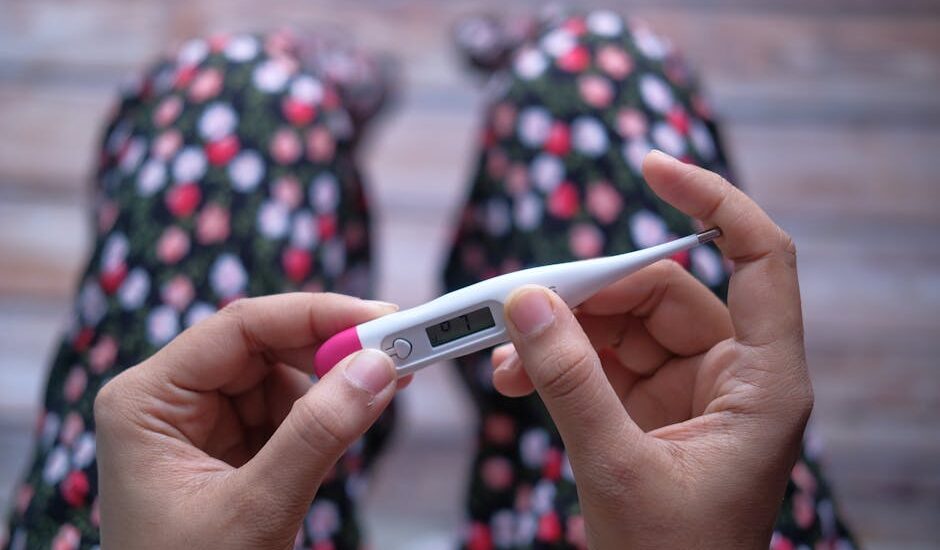
- Probe Thermometers: These use a thermistor or thermocouple at the tip to measure core temperature via direct contact (oral, rectal, or underarm). They’re the clinical standard for accuracy — typically within ±0.1°C (±0.18°F) when used correctly. But they require proper placement and up to 20-60 seconds of stillness.
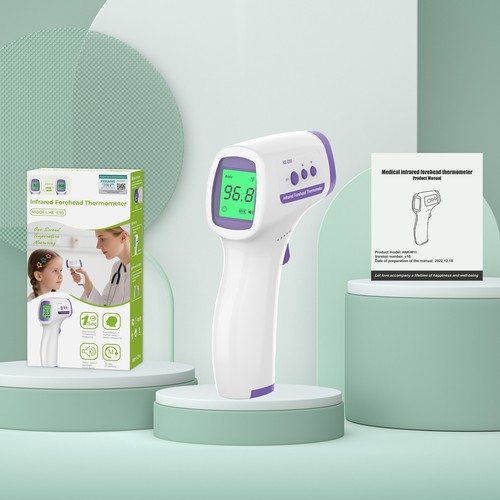
- Forehead (Temporal) Thermometers: Using infrared sensors, these scan the superficial temporal artery. They’re non-contact, ultra-fast (1-3 seconds), and ideal for kids or infection control. However, accuracy can drift (±0.2°C/±0.36°F) with sweat, room temperature, or improper technique.
- In-Ear (Tympanic) Thermometers: These read infrared heat from the eardrum. They’re quick and less invasive than oral/rectal, but require a snug fit and clean ear canal. Accuracy is generally ±0.2°C (±0.36°F), but wax or incorrect angle can skew results.
Your choice should reflect who’s being measured (infant, child, adult), how cooperative they are, and how much you value speed versus precision. For example, rectal probe thermometers remain the gold standard for infants under 3 months, while forehead scanners win for restless toddlers or quick fever checks.
When you want a brand-new unit with the full warranty, Amazon’s catalogue is usually the deepest.
Find on Amazon →How the Options Compare: Practical Profiles
| Profile | Best For | Measurement Site | Speed | Accuracy | Hygiene & Ease | Connectivity | Price Range |
|---|---|---|---|---|---|---|---|
| The standard probe option | Households wanting clinical accuracy for all ages | Oral/Rectal/Axillary | 20-60 sec | ±0.1°C (±0.18°F) | Requires cleaning or disposable covers | Usually none | $5-$25 |
| The contactless forehead pick | Quick checks, restless children, contactless needs | Forehead (Temporal artery) | 1-3 sec | ±0.2°C (±0.36°F) | Non-contact, easy to sanitize | Some offer Bluetooth/app sync | $20-$50 |
| The in-ear (tympanic) choice | Children over 6 months, adults, fast readings | Ear canal (Eardrum) | 1-5 sec | ±0.2°C (±0.36°F) | Probe covers required, less risk of cross-contamination | Rare | $15-$45 |
| The tech-integrated probe | Tracking fevers, sharing data with doctors | Oral/Rectal/Axillary | 10-30 sec | ±0.1°C (±0.18°F) | Requires cleaning, but logs data automatically | Bluetooth/app sync standard | $30-$70 |
| The budget digital stick | Occasional use, backup, travel | Oral/Rectal/Axillary | 30-60 sec | ±0.1°C (±0.18°F) | Manual, no frills | None | $5-$10 |
What Accuracy Ratings Actually Mean in Daily Use
Marketing claims often tout “clinical accuracy” — but what does ±0.1°C or ±0.2°C mean when you’re checking for a fever at home? The U.S. FDA and European CE standards require digital thermometers to be accurate within ±0.1°C (±0.18°F) for oral/rectal models and ±0.2°C (±0.36°F) for infrared types, when used as directed.
In reality, technique is as important as sensor quality. A probe thermometer that isn’t held under the tongue, or a forehead scanner swept too quickly, can yield errors >0.5°C (>0.9°F). This margin can be the difference between a “low-grade” fever and a normal reading. For infants, where even a small temperature shift matters, opt for a probe model and follow instructions to the letter. For adults and older children, the ease of infrared may outweigh the small trade-off in precision — especially for trend tracking over time.
What Features Actually Matter (And What’s Hype)
Not all “extra features” are worth paying for. Here’s what genuinely impacts usability and reliability in a digital thermometer:
- Backlit Display: Essential for overnight checks — especially with sick kids. Look for screens readable in low light.
- Fever Indicator: Many models beep or color-shift above 37.5°C/99.5°F. Helpful for quick interpretation, but always check actual numbers.
- Measurement Range: Good thermometers cover at least 32.0°C–42.9°C (89.6°F–109.2°F). Wider ranges are only necessary for special use (e.g., hypothermia monitoring).
- Memory Recall: Storing 10+ prior readings is useful for tracking fever trends — especially if you’re monitoring a child or chronic illness.
- Bluetooth/App Integration: Valuable for sharing data with clinicians or tracking over days. Only a handful of probe and forehead models offer reliable sync; check for compatibility with your phone’s OS.
- Water Resistance: IPX7 or above means you can rinse the probe under running water — useful for hygiene, especially with rectal or underarm use.
- Battery Life: Most digital sticks last 1-2 years on a single CR2032 or LR41 battery. Infrared models with backlights or wireless features may need more frequent changes.
Ignore “ultra-fast” claims unless the device delivers a full reading in under 5 seconds — otherwise, speed differences are negligible. Similarly, “medical grade” is a marketing term unless backed by FDA/CE registration.
Who Benefits Most From Each Type
Choosing the “best” thermometer is less about specs and more about fit for your household. Here’s where each category shines:
- Infants under 3 months: Rectal digital probe is the only method recommended by pediatric guidelines for this age. Look for a short, flexible-tip model with a wide base for safety.
- Toddlers and young children: Forehead infrared thermometers are the least disruptive for quick checks, especially during sleep. In-ear models are an alternative for kids over 6 months, but be meticulous about fit and hygiene.
- Adults and teens: Oral probe or forehead scanner both work well. For those managing chronic illness or immunosuppression, opt for a tech-integrated probe to track readings over time.
- Multi-person households: Non-contact forehead models minimize cross-contamination. Probe covers or easily sanitized tips are a must for shared devices.
For those with dexterity challenges, look for larger buttons, audible feedback, and displays with digits at least 12mm tall.
Common Mistakes That Undermine At-Home Readings
Even the most accurate thermometer can’t fix user error. These pitfalls are frequent causes of “bad” readings:
- Not waiting after eating/drinking: Oral readings can be off by 0.5°C (0.9°F) if taken within 10 minutes of cold/hot food or drinks.
- Improper probe placement: For oral, the tip must be fully under the tongue and mouth closed. For rectal, insert only as far as the safety stop (typically 1/2–1 inch for infants).
- Forehead not dry/clean: Sweat, lotions, or recent outdoor exposure can throw off infrared readings.
- Dirty or damaged sensors: Residue or scratches on probe tips and IR windows degrade accuracy. Clean as directed after each use.
- Low battery: Some models give incorrect readings before displaying a low-battery warning. Replace batteries proactively if readings seem odd.
Following the included instructions — and understanding device limitations — is as important as the choice of thermometer itself.
What to Expect for Price and Warranty
Basic digital probe thermometers start around $5, while well-built infrared models range from $20-$50. Tech-integrated options with Bluetooth/app sync can reach $70. Most digital thermometers carry a 1- to 2-year warranty, but probe tips, batteries, and probe covers are usually considered consumables. If you’re buying for long-term or high-frequency use, check for easy access to replacement parts and clear warranty terms.
Ready to see what’s available? Compare today’s deals for your preferred profile.
When you want a brand-new unit with the full warranty, Amazon’s catalogue is usually the deepest.
Compare Options on Amazon →FAQ: Real Questions About Digital Thermometers
How accurate are digital thermometers compared to mercury?
Modern digital probe thermometers, when used correctly, are as accurate as traditional mercury models — typically within ±0.1°C (±0.18°F). Infrared forehead and ear thermometers are slightly less precise (±0.2°C/±0.36°F), but the difference is rarely clinically significant for home use.
Can you use a forehead thermometer on a sleeping child?
Yes, non-contact forehead thermometers are designed for exactly this scenario. They’re quiet and fast. For best accuracy, ensure the child’s forehead is clean, dry, and free of hair or hats.
How often should you calibrate or replace a digital thermometer?
Most consumer digital thermometers do not require user calibration. Replace the device if readings become inconsistent or after 2-3 years of frequent use. Always replace batteries as soon as the low-battery indicator appears.
Is it safe to use one thermometer for both oral and rectal readings?
Never use the same thermometer for both sites without a thorough cleaning and, ideally, a dedicated probe cover. Many households label separate devices for oral and rectal use to prevent cross-contamination.
Why do I get different readings from different types of thermometers?
Each measurement site (oral, rectal, forehead, ear) reflects body temperature differently. Rectal is usually highest, oral is slightly lower, and axillary/forehead can be 0.3–0.6°C (0.5–1.0°F) lower than core temperature. Use the same method consistently to track trends.
Are Bluetooth/app-enabled thermometers worth the extra cost?
If you need to track fevers over time, share data with a healthcare provider, or monitor multiple family members, tech-integrated thermometers can be very helpful. For occasional spot checks, a standard digital model is usually sufficient.
Can digital thermometers be disinfected between uses?
Yes, most probe thermometers tolerate alcohol wipes or mild soap and water (check for IPX rating). Infrared forehead thermometers can be wiped with a soft, damp cloth; avoid harsh chemicals on the sensor window. Always follow the manufacturer’s cleaning instructions.
What does “water-resistant” really mean for a thermometer?
Water resistance, usually rated IPX7 or above, means the thermometer can be rinsed under running water or briefly submerged. This is valuable for cleaning, especially after rectal or underarm use. However, water resistance does not mean you can safely put the whole device in a dishwasher. Always check the manual for cleaning limits.
How can I tell if my thermometer is giving inaccurate readings?
If you notice consistently unusual results, or if the reading seems much higher or lower than expected, check the battery and ensure the sensor is clean. Compare with another reliable thermometer if possible. If discrepancies persist, the device may need to be replaced.
When to Upgrade — and When to Stick With Simple
If your current thermometer takes forever to read, struggles with accuracy, or doesn’t fit your family’s routines (like wrangling a feverish toddler), it’s time for a change. For most households, a well-built digital probe or a reliable forehead scanner covers nearly every situation. If you’re managing chronic illness, tracking fevers for multiple kids, or want app-connected health records, the extra investment in a tech-integrated model is justified. Otherwise, even a basic digital stick — as long as it’s accurate and easy to clean — will do the job. See what’s available in your preferred category and prioritize features that solve real headaches, not just marketing hype.