
10 min read
Emergency Medical Services (EMS) equipment lists are not one-size-fits-all. A rural volunteer squad, an urban paramedic team, and a private event standby crew each face different realities — and what goes in their bags reflects that. For some, it’s about covering the clinical basics with reliable, easy-to-use gear. For others, it’s about rapid deployment of advanced tools that can turn the tide in seconds. And for administrators, the focus is balancing readiness, cost, and compliance with ever-evolving standards. The smartest EMS equipment list isn’t just a checklist: it’s a carefully weighted set of trade-offs, matched to your actual call profile, staffing, and budget.
What does a modern EMS equipment list actually include?
The core of any EMS kit is defined by regulatory mandates and clinical priorities. At minimum, you need to cover airway, breathing, circulation, disability (neurological status), and exposure/environment (the “ABCDE” of trauma care). But even basic lists can diverge sharply. For example, some EMS teams are required to carry both adult and pediatric supplies for every category, while others may tailor their kits if they rarely see children.
Here’s what you’ll always find in a well-equipped EMS setup, with specific details that matter:
- Airway management: Oropharyngeal and nasopharyngeal airways (multiple sizes, pediatric through adult), bag-valve-masks (BVMs) with reservoir, surgical cricothyrotomy kit (in advanced ALS units), suction device capable of at least 300 mmHg negative pressure, portable oxygen (D or E cylinder, minimum 200L capacity).
- Breathing support: Non-rebreather masks, nasal cannulas, CPAP devices (for ALS), pulse oximeter (accuracy ±2% in the 70–100% SpO2 range), nebulizer kits, chest decompression needles (14- or 16-gauge, at least 3.25” length for adult use).
- Circulation tools: Blood pressure cuffs (infant, child, adult sizes), stethoscope, IV catheters (14–24 gauge), IO (intraosseous) access device for advanced teams, tourniquets (windlass design rated for 200+ lbs of force), hemorrhage control dressings, AED (with pediatric and adult pads), glucometer (range 20-600 mg/dL).
- Immobilization and trauma: Cervical collars (adjustable, rigid), long spine board, head immobilizer, traction splints (capable of 10–15% body weight traction), flexible splints, burn sheets (sterile, large enough for adult torso), trauma shears (cuts through 2mm leather).
- Medications: Epinephrine auto-injector (0.3mg adult, 0.15mg pediatric), aspirin (chewable, 81mg tabs), naloxone (intranasal and IM options), albuterol (2.5mg/3mL nebules), oral glucose gel (15g tubes), nitroglycerin (tablet or spray), activated charcoal (50g bottles for poison ingestion protocols).
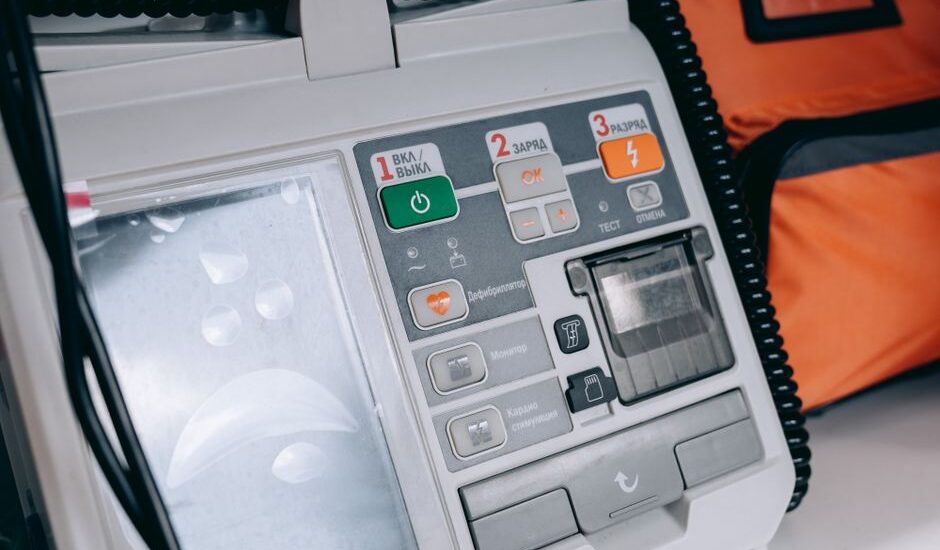
- Monitoring and documentation: Portable cardiac monitor/defibrillator (ALS units: 3- or 12-lead ECG, biphasic energy 70–200J), thermometers (digital, ±0.2°C accuracy), glucometers, field documentation forms or tablets with secure ePCR software.
- Personal protection: Exam gloves (nitrile, powder-free), N95 or higher respirators, eye protection, impermeable gowns, hand sanitizer (at least 60% alcohol), sharps container (leak- and puncture-resistant).
This is a baseline. Some teams add advanced airway devices (supraglottic airways, video laryngoscopes), capnography (quantitative waveform preferred, 0–150 mmHg CO2 range), and specialty kits (obstetric, tactical, hazmat) depending on their scope and call types.
How the main EMS equipment categories compare
| Category | Typical Use-Case | Key Spec / Range | Portability | Service Level |
|---|---|---|---|---|
| Basic Trauma Kit | BLS/first responder | Bandages, splints, tourniquet, shears | Under 12 lbs | BLS |
| Advanced Airway Module | Paramedic/ALS | Supraglottic airway, laryngoscope, ET tubes (sizes 6.0–8.0), capnography | 6–10 lbs | ALS |
| Cardiac Monitoring Kit | ALS/critical care | 3/12-lead ECG, SpO2 (±2%), BP, defibrillator (70–200J) | 15–20 lbs | ALS |
| Portable Oxygen Setup | All levels | D/E cylinder (200–425L), regulator, BVM, masks | 10–15 lbs | BLS/ALS |
| Pediatric Add-on Pack | Mixed-age response | Airways, BVM, IVs, electrodes (pediatric sizes) | 4–7 lbs | BLS/ALS |
| Medication Kit | ALS/expanded scope | Epinephrine, naloxone, albuterol, glucose, aspirin | 3–6 lbs | ALS |
What’s often missing from standard EMS lists
Many published EMS equipment lists focus on what’s required by state or national protocols. But in practice, gaps appear when equipment is selected by checklist rather than by use-case analysis. Here are a few items that experienced crews often wish they had — or regret not stocking in sufficient quantity:
- Extra batteries and power banks: Cardiac monitors and suction units can fail at the worst time. A backup battery or portable power bank (minimum 10,000 mAh) is essential for multi-hour calls or remote incidents.
- Thermal blankets: Hypothermia is a risk even in moderate climates, especially with trauma. Space blankets (reflective, compact, 52” x 84” or larger) or disposable warming blankets are worth carrying in every kit.
- Portable lighting: Headlamps (100+ lumens, IPX4+ water resistance) free up hands at night or in poorly lit scenes. Don’t rely on phone flashlights.
- Patient comfort items: Soft restraints, pediatric distraction toys, and emesis bags (at least 1000 mL capacity, leakproof) reduce scene stress and improve cooperation.
- Environmental protection: Sunscreen (SPF 30+), insect repellent (DEET or picaridin-based), and rain ponchos can make long outdoor scenes survivable for both patients and providers.
For a particularly deep dive into what EMS agencies should consider, the National Highway Traffic Safety Administration’s Office of EMS publishes evolving guidance and consensus standards.
Which specifications actually matter for critical EMS gear?
Some equipment differences are just about cost or brand, but others are genuinely life-saving. Here’s where numbers matter in real-world use:
- Oxygen cylinder capacity: D cylinders (approx. 425L) last about 30–45 minutes at 10 L/min flow; E cylinders (680L) can double that. For long transports or multi-patient incidents, cylinder size directly impacts care.
- BVM tidal volume: Adult BVMs should deliver 1000–1600 mL per squeeze, while pediatric BVMs (450–500 mL) prevent over-ventilation. Overly large bags on small patients can cause barotrauma.
- Defibrillator energy settings: Biphasic defibrillators are recommended (70–200 joules), with pediatric attenuator pads for children under 25 kg. Monophasic units are largely obsolete.
- Pulse oximeter accuracy: Look for devices with accuracy within ±2% between 70–100% SpO2, and signal quality indicators (plethysmograph waveform) to catch false readings in low perfusion states.
- Tourniquet force rating: Devices should be rated for at least 200 lbs of force to ensure arterial occlusion. Windlass mechanisms outperform elastic bands in real hemorrhage control.
- IV catheter gauge range: Stock 14–24 gauge (with at least two 18-gauge for rapid fluid resuscitation), as trauma protocols often require large-bore access.
Ignoring these specs can cause preventable failures — such as running out of oxygen mid-transport, or failing to achieve ROSC (return of spontaneous circulation) due to an outdated defibrillator.
How much redundancy is enough?
The temptation is to pack “one of everything,” but the reality is that redundancy needs to be strategic. For example, two BVMs (adult and pediatric) are non-negotiable, as are both adult and child AED pads. A single suction unit with a backup manual bulb is safer than relying on just one power source. For trauma dressings and tourniquets, stock at least two of each per kit, as multiple casualties are not rare. On the other hand, rarely-used specialty devices (like surgical cric kits) may be shared between units if protocols allow. The right redundancy is about matching likely call scenarios to your staffing and resupply capability.
If you’re building or updating your kit, look for modular packs or trauma bundles that let you scale redundancy without overloading your crew.
Related Guides
- Essential EMS Equipment: A Complete List for Emergency Responders
- How to Safely Sterilize Dental Equipment at Home: A Practical Guide
- Our guide to Pill Splitters, Reviewed and Compared
- Our guide to Electric Pill Crushers That Are Worth Buying
- Our guide to How to Install a Bidet Attachment: Step-by-Step Guide for Beginners
- UV Cleaning Water Bottles That Actually Work: Our Top Recommendations
Total cost of ownership
The sticker price of an EMS kit is just the beginning. Here are the most significant ongoing or hidden costs to factor in:
- Consumables: Gloves, dressings, airway adjuncts, and medications all have expiration dates. A typical mid-size agency may spend several hundred dollars per responder annually just on replacing expired or used supplies.
- Battery replacement: Rechargeable batteries for monitors, suction units, and radios need cycling every 1–2 years. Expect to budget $50–$200 per critical device annually for battery upkeep.
- Equipment calibration and service: Monitors, defibrillators, and glucometers require annual calibration and preventive maintenance, often running $100–$400 per device per year, depending on complexity and regulatory requirements.
- Oxygen refills: Refilling D and E cylinders adds up, especially for high-call-volume teams. Plan for $5–$15 per refill, multiplied by usage frequency.
- Training and recertification: New gear often requires hands-on training, which may incur instructor fees or lost hours. Figure $50–$150 per responder annually for ongoing competency training on equipment updates.
Factoring these costs early avoids sticker shock and ensures your equipment stays compliant and reliable. For a closer look at annual EMS operational costs, the National Association of Emergency Medical Technicians is a helpful resource.
What mistakes do buyers make when building an EMS kit?
Overbuying specialty gear is a common trap, especially for new teams. Most emergencies require rapid, skilled use of a few core tools — not a bag full of rarely-used gadgets. Another frequent error: neglecting pediatric or bariatric patients, only to be caught off guard on scene. Some agencies under-invest in PPE, leading to supply crunches during outbreaks or mass-casualty events. Finally, skipping regular checks and expiration audits results in dead batteries or outdated meds when you need them most. The best approach: build your list around your real call data, not just a generic template.
For agencies upgrading from BLS to ALS, or for event medics needing rapid-deploy options, focus on pre-built modular kits that can be customized for your scope.
FAQ: Real-world EMS equipment list questions answered
How often should EMS equipment be checked or restocked?
Most agencies perform daily or shift-based checks for critical items like airway devices, medications, and batteries. Full inventory and expiration reviews typically occur monthly. Some high-volume teams check after every call. Regular documentation is essential for compliance and safety.
What’s the difference between BLS and ALS equipment lists?
BLS (Basic Life Support) kits focus on non-invasive tools: airway adjuncts, basic oxygen, splints, and AEDs. ALS (Advanced Life Support) adds IV/IO access, advanced airways (like endotracheal tubes), cardiac monitors, additional medications, and advanced assessment tools. The ALS list is substantially more expensive and requires additional training.
How many tourniquets and trauma dressings should you carry?
For most EMS kits, carrying at least two tourniquets and four trauma dressings per responder is considered a practical minimum, especially for mass-casualty readiness. Some agencies stock even more, based on local incident history and team size.
Are there special requirements for pediatric EMS equipment?
Yes. Pediatric kits must include appropriately sized airway adjuncts, BVMs, AED pads, IV catheters (22–24 gauge), and dosing guides for medications. Many protocols require a dedicated pediatric module or bag to prevent errors in high-stress situations.
What’s the trade-off between pre-built kits and custom-built EMS bags?
Pre-built kits offer speed and regulatory compliance but may include items you’ll never use. Custom-built bags can be tailored to your team’s call profile and preferences, but demand more time for sourcing and QA. Many agencies use a hybrid approach: a pre-built core with custom add-ons for local needs.
How long do oxygen cylinders last in the field?
A standard D cylinder (425L) at 10 L/min flow lasts roughly 42 minutes. An E cylinder (680L) under the same conditions lasts about 68 minutes. Always check your regulator settings and cylinder starting pressure before every shift to avoid running out during transport.
What’s more important: quantity or quality for EMS gear?
Quality is critical for life-saving tools like airway devices, monitors, and defibrillators — failures here can be fatal. For consumables (gloves, dressings), quantity matters more to ensure you’re never caught short. Balance both by investing in reliable core gear and maintaining adequate stock of disposables.
What warranty or support should you expect when buying EMS equipment?
Most reputable suppliers offer at least a 1-year warranty on durable equipment and technical support for critical devices. Consumables usually have no warranty beyond expiration dates. Always check for calibration and service agreements, especially for monitors and defibrillators.
For agencies or individuals updating their EMS gear, the best results come from a focused, data-driven approach — not just copying a standard checklist. Match your EMS equipment list to your real needs, invest in quality where it counts, and don’t overlook the hidden costs of maintenance and training. For the most flexible options, focus on modular and specialty EMS kits — and build a setup that’s ready for the calls you actually face.
Related Guides
- Essential EMS Equipment: A Complete List for Emergency Responders
- How to Safely Sterilize Dental Equipment at Home: A Practical Guide
- Our guide to Pill Splitters, Reviewed and Compared
- Our guide to Electric Pill Crushers That Are Worth Buying
- Our guide to How to Install a Bidet Attachment: Step-by-Step Guide for Beginners
- UV Cleaning Water Bottles That Actually Work: Our Top Recommendations
Last updated: June 2026 · Our editorial process