
7 min read
Disclosure: As an Amazon Associate and eBay Partner Network publisher, we earn from qualifying purchases. This doesn’t affect what we recommend or how we describe it.
Weighted blankets for kids usually range from 5 to 15 pounds, but only a handful of brands offer true kid-sized blankets in the 10-pound category with dimensions around 40×60 inches. That size and weight combination is important: too light and the blanket won’t provide noticeable calming pressure; too heavy and it can be uncomfortable or even unsafe for smaller children. The right fit comes down to your child’s weight, sleep habits, and sensitivity to fabric—and the market for well-made, kid-appropriate weighted blankets is surprisingly narrow if you want something that actually matches your child’s size and needs.
Top picks at a glance
- ZonLi Kids Weighted Blanket 10-lbs 41×60 Flamingo Fleece — a step up in size and weight
- Purple Weighted Blanket Kids 10lbs 40×60 Twin Size — the premium option
Compare the leading 10-lb weighted blankets for kids
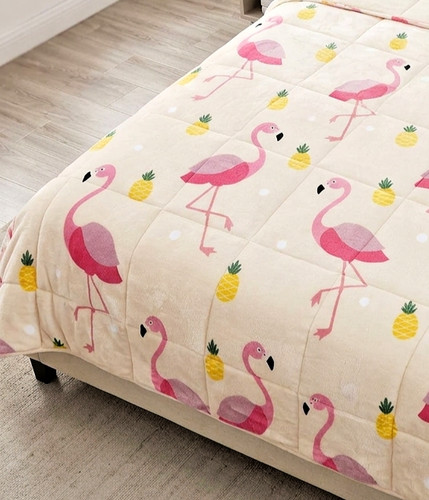
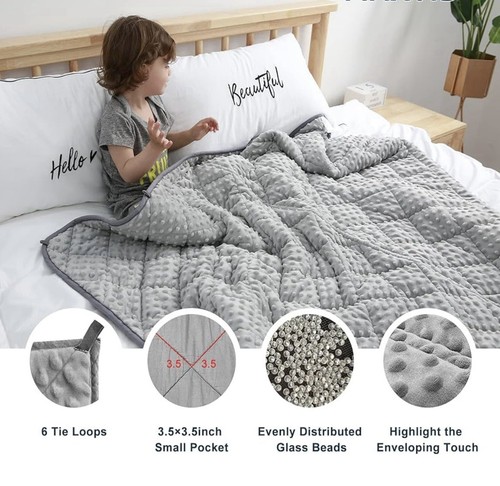
Pictured: ZonLi Kids weighted blanket
| Product | Condition | Price | Best For | Dimensions (inches) | Fabric Type |
|---|---|---|---|---|---|
| ZonLi Kids Weighted Blanket 10-lbs 41×60 Flamingo Fleece |
New With Tags | $$ | Larger kids, fleece lovers, budget-conscious | 41 x 60 | Fleece |
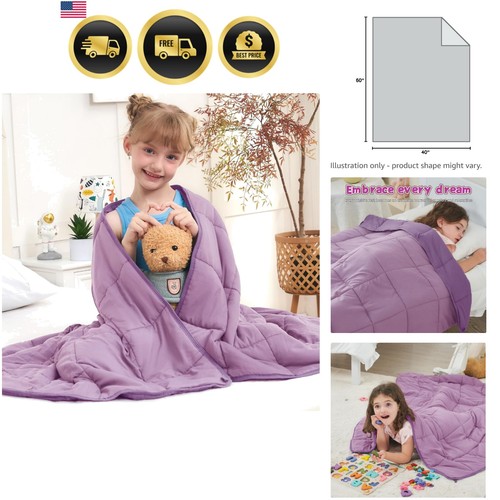 Purple Weighted Blanket Kids 10lbs 40×60 Twin Size Purple Weighted Blanket Kids 10lbs 40×60 Twin Size |
New With Tags | $$$ | Premium feel, brand trust, all-season use | 40 x 60 | — |
$ / $$ / $$$ indicates budget / mid-range / premium relative to the picks above. Check live listings further down for current prices.
Choose the right weighted blanket dimensions and fill
Both the ZonLi Kids weighted blanket and the Purple Kids weighted blanket are sized at roughly 40×60 inches—large enough to fit a twin bed, but small enough for most kids to handle easily. This is the sweet spot for elementary and middle-school-age children. The ZonLi model is slightly wider at 41 inches and uses a fleece cover, making it warmer and cozier for kids who enjoy plush textures. The Purple option lists a 40-inch width and doesn’t specify fabric in the product name, suggesting a more neutral (and possibly cooler) feel that may work better for kids who run hot or dislike fuzzy materials.
Spot the difference between fleece and non-fleece covers
The ZonLi Kids weighted blanket’s fleece cover is a clear draw for tactile comfort. Fleece is soft, insulates well, and is often preferred by children who like a snuggly, “hugged” sensation. However, fleece can trap heat—something to consider if your child overheats easily or sleeps in a warm room. The Purple Kids weighted blanket doesn’t specify its cover material, but Purple’s adult models typically use a blend that balances warmth and breathability. If your child is sensitive to heat, or you want a blanket that works year-round, the Purple model may be a safer bet—though always check the listing or contact the seller for fabric details if your child has allergies or sensory needs.
Related Guides
Weigh the importance of brand and price
On paper, the Purple Kids weighted blanket positions itself as the premium choice. Purple is a well-known sleep brand, and while that name recognition usually comes with a higher price tag, you may value the perceived reliability, quality control, and customer service that come with it. The ZonLi Kids weighted blanket is a step down in price but not in size; you get a slightly larger surface area and a fleece cover at a more accessible price point. If you’re shopping for a backup blanket or aren’t brand-loyal, the ZonLi model offers strong value—especially if your child prefers the tactile softness of fleece.
Red flags in listings to walk past
- No stated dimensions: If a listing doesn’t specify both weight and size (in inches), you can’t be sure it’s truly kid-sized or suitable for your child’s bed. Avoid listings that are vague on this point.
- Missing cover material info: Blankets that don’t mention the fabric type may use low-quality synthetics or have scratchy, uncomfortable surfaces. Always look for clear details on what touches your child’s skin.
- Generic or unbranded listings: Some sellers use stock photos and generic descriptions, offering little to no information about fill material, stitching, or company background. These are riskier buys—stick to brands or models with verifiable specs.
- No return or warranty information: A reputable blanket should come with at least a basic return policy. If the listing doesn’t mention returns or warranty, you may be stuck if the blanket is defective or the child dislikes it.
- Weight not matched to size: A 10-lb blanket should be spread over a 40×60 or similar area for a child; a 10-lb blanket that’s much smaller or larger can create uncomfortable pressure points or be too unwieldy for kids to use safely.
How we selected these weighted blankets for kids
For this guide, only weighted blankets specifically marketed for kids, with a listed weight of 10 pounds and dimensions around 40×60 inches, made the cut. We prioritized models with clear manufacturer specs, distinctive fabric choices, and strong brand signals. Key factors included:
- Weight-to-size ratio: Ensuring the blanket’s weight is appropriate for its dimensions and for typical child use.
- Cover material: Fleece for warmth and comfort versus blended or unspecified fabrics for versatility.
- Brand reputation: Preference for established brands or models with consistent product listings and positive consumer feedback.
- Condition: Only new-with-tags listings were considered to ensure hygiene and safety for children.
We compared the listed features, specs, and positioning of each option, then excluded generic listings with unclear details and any blanket that didn’t clearly state both weight and dimensions. If your child is under 5 years old, or significantly under 50 pounds, a 10-lb blanket may be too heavy—seek out lighter options or consult a pediatric professional before buying. Weighted blankets are not recommended for children under age 3 due to potential suffocation risks, as noted by the Sleep Foundation.
FAQs about weighted blankets for kids
Is a 10-lb weighted blanket safe for all children?
Not always. Most guidelines suggest a weighted blanket should be about 10% of a child’s body weight. For a 10-lb blanket, that means your child should weigh at least 80-100 pounds. For lighter children, a lighter blanket is safer and more comfortable. Always check with your pediatrician if you’re unsure.
How do the ZonLi and Purple kids weighted blankets differ for hot versus cold sleepers?
The ZonLi Kids weighted blanket uses fleece, which insulates and feels warmer—great for cold sleepers or winter use. The Purple Kids weighted blanket doesn’t specify its material, but Purple’s adult products tend to be more breathable, making them better for warm sleepers or year-round comfort. If your child tends to overheat, the Purple blanket may be the better choice.
Is the Purple Kids weighted blanket worth the price premium over ZonLi?
The Purple Kids weighted blanket commands a higher price, reflecting its premium brand reputation. If you value brand trust and possible long-term durability, the price may be justified. For most families, the ZonLi Kids weighted blanket offers similar functionality at a lower price, especially if your child prefers fleece.
What’s the typical lifespan of a kids’ weighted blanket?
With regular use and proper care, a quality weighted blanket can last 2-4 years before showing significant wear, especially if it’s machine-washable and stitched well. Fleece covers may pill over time, while blended fabric covers can retain their look longer. Always follow care instructions to maximize longevity.
Can these blankets be machine washed?
Many weighted blankets for kids are machine washable, but always check the manufacturer’s care instructions. Fleece covers like the ZonLi’s may require gentle cycles and air drying to prevent shrinking or damage. Heavier blankets may need a commercial washer due to their weight and bulk.
What should I do if my child doesn’t like the blanket?
Check the return policy before buying. Both the ZonLi and Purple Kids weighted blankets are sold new with tags, which usually means you can return them if unused. If your child dislikes the weight or fabric, initiate a return promptly and try a lighter or different-textured blanket instead.
The verdict: who should (and shouldn’t) buy a 10-lb kids’ weighted blanket?
If your child is in the 80-120 pound range and sleeps on a twin bed, both the ZonLi Kids weighted blanket and the Purple Kids weighted blanket offer the right size and weight for calming, even pressure. Opt for ZonLi if you want plush fleece and a slightly larger blanket at a mid-tier price, or Purple if you prize brand reputation and a more neutral fabric. Skip this category if your child is under 5 years old, under 50 pounds, or has medical conditions that contraindicate weighted blankets. For more on safe use and alternatives, see the American Academy of Sleep Medicine.
Last updated: July 2026 · How we research and evaluate