10 min read
Disclosure: As an Amazon Associate and eBay Partner Network publisher, we earn from qualifying purchases. This doesn’t affect what we recommend or how we describe it.
How can you tell if your electric heating pad needs to be plugged in, charged, or swapped out entirely? The answer depends on the type you own—there’s no universal charging method, and using the wrong one can ruin your pad or even create a safety risk. So before you reach for a charger or adapter, you need to know which type of electric heating pad you’re dealing with, what power source it uses, and what its charge cycle actually looks like. Here’s what most guides miss: not all electric heating pads are rechargeable, and among those that are, charging protocols and times can vary dramatically—from 10 minutes to over 3 hours, depending on the battery type and wattage.
Why charging an electric heating pad isn’t always straightforward
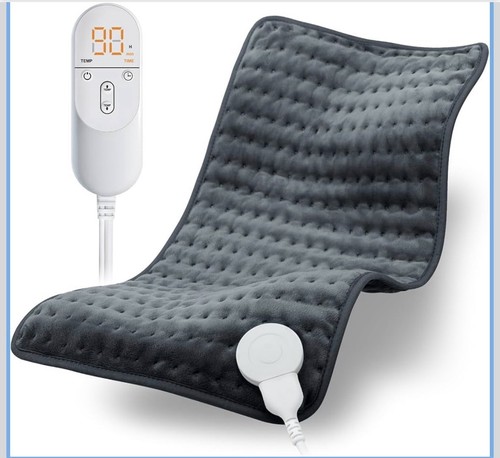
Electric heating pads on the market fall into a few distinct categories, and only some are designed to be “charged” in the sense most people mean—plugged in, powered up, and then used cord-free. Most standard electric heating pads are plug-in devices, drawing power directly from a wall outlet during use. Rechargeable models, though, include an internal battery (usually lithium-ion or nickel-metal hydride), allowing for portable, cordless heat. There are also microwaveable and chemical-activated pads, which don’t involve electricity at all and can’t be “charged” in the electrical sense.
Understanding these differences matters. Attempting to charge a plug-in-only pad, or using an incompatible charger on a battery-powered one, can damage the device or even pose a fire hazard. It’s critical to identify your pad’s type before proceeding with any charging attempt.
How the main types of electric heating pads handle charging
Here’s a closer look at the three main categories you’ll encounter, and what “charging” means for each:
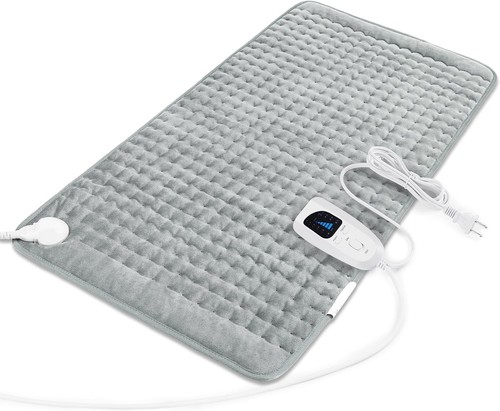
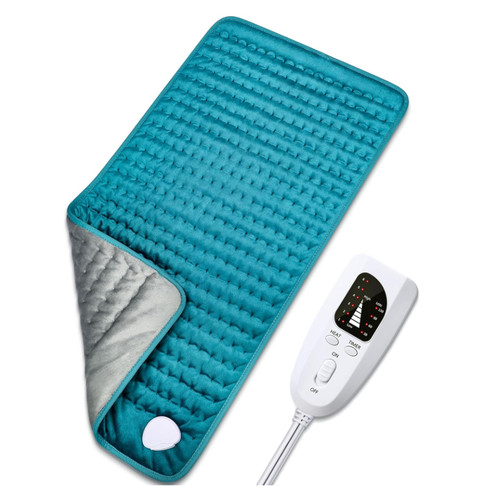
- Plug-in heating pads: These connect directly to an AC outlet via a cord. They do not have a battery, so there’s nothing to “charge”—they only work while plugged in.
- Rechargeable (cordless) heating pads: These include a built-in battery pack, usually lithium-ion, and can be charged via a wall charger (often USB-C or proprietary DC barrel). They’re designed for use away from outlets after charging.
- Microwaveable or chemical-activated pads: These aren’t electric and don’t use any charging method. Heating involves microwaving or activating a chemical reaction—if you’re searching for charging steps, these aren’t the type you have.
Most charging questions focus on the second category—rechargeable electric heating pads. That’s where the process gets specific, and where mistakes can be costly.
How the options compare: charging methods, times, and user experience
| Type | Charging Method | Typical Battery Capacity | Cordless Use Time | Charging Time |
|---|---|---|---|---|
| Plug-in (corded) | Direct AC wall plug | — | Unlimited (while plugged in) | — |
| Basic rechargeable | DC barrel or USB-C | 2,000–3,500 mAh | 30–90 min | 1–3 hours |
| High-capacity cordless | Proprietary charger | 5,000–10,000 mAh | 2–6 hours | 2–4 hours |
| Microwaveable | Microwave (not electric) | — | 20–40 min (per heat cycle) | 1–3 min (microwave) |
What most buying guides get wrong about electric heating pad charging
Many guides gloss over a crucial point: not all rechargeable heating pads use the same voltage or connector. Some pads require a 5V USB power supply, others need a 12V or 24V DC adapter, and a few use proprietary chargers that can’t be substituted. Using the wrong charger can permanently damage the battery or, worse, create a risk of overheating or fire. Always check the voltage and amperage ratings—these are usually printed on the pad’s charging port or in the manual. Never assume a generic phone charger is safe unless the manufacturer explicitly says so.
Another overlooked detail is charging time. A 3,000 mAh battery at 5V may take 2–3 hours to fully charge with a 1A adapter, but a high-capacity 10,000 mAh pack may need 4 hours or more, sometimes only with the included charger. Fast-charging is rare (and not always desirable for battery lifespan). For plug-in models, there’s no “charging” at all—if you’re plugging it in and expecting a battery to fill, you’ll be waiting forever.
Step-by-step: how to charge a rechargeable electric heating pad safely
- Identify the charging port and cable type. Look for a label near the port—common types are USB-C, micro-USB, or a round DC barrel connector. Do not force a cable that doesn’t fit smoothly.
- Check the voltage and amperage requirements. These are usually printed on the pad or in the manual. Match your charger to these specs—using a higher-voltage charger can damage the battery.
- Connect the charger securely. Plug the correct charger into the pad and then into a wall outlet. Avoid charging from low-power sources like old USB ports, unless the manual says it’s supported.
- Monitor indicator lights or displays. Most rechargeable pads have an LED that changes color or turns off when charging is complete. If your pad gets unusually hot or shows an error, disconnect it immediately.
- Unplug promptly after charging. Once fully charged (usually 1–4 hours), unplug the pad to avoid overcharging, which can reduce battery lifespan. Never leave a charging pad plugged in overnight unless the manual specifically allows for it.
Key specs that actually matter for charging and safety
When evaluating a rechargeable electric heating pad, focus on these concrete specs:
- Battery capacity: Expressed in milliamp-hours (mAh), this tells you how long the pad can provide heat on a charge. Typical ranges are 2,000–10,000 mAh; higher means longer cordless use, but also longer charging time.
- Input voltage and amperage: Most pads use 5V (USB) or 12V–24V DC. The amperage (A) determines how quickly the pad charges. For example, a 2A charger will charge faster than a 1A charger, but only if the pad supports it.
- Charging time: Look for manufacturer estimates (e.g., “full charge in 2 hours”). Pads with “quick charge” may offer 80% charge in under an hour, but always verify with real numbers.
- Overcharge protection: Some pads include circuitry to prevent battery damage if left plugged in. This is a safety feature worth prioritizing, especially if you tend to forget devices on the charger.
Manufacturers rarely make these specs easy to find. If details aren’t listed in the manual or on the product itself, contact customer support before attempting a charge. For more on electrical safety and device standards, see UL’s consumer device safety guidelines.
Related Guides
- Our guide to How to Charge an Electric Heating Pad: A Step-by-Step Guide
- Top Electric Heating Pads Worth Trying for Effective Pain Relief
- Our guide to Electric Facial Cleansing Brushes That Are Actually Worth Buying
- Electric Foam Rollers That Are Worth It: Our Top Picks and Reviews
- Electric Foot Baths Worth Buying: Features, Benefits, and Top Picks
- Our guide to Electric Pill Crushers That Are Worth Buying
Quick decision tree
- If you want unlimited heat and don’t need portability: Plug-in (corded) pads are your best bet—no charging required.
- If you need cordless heat for 30–90 minutes: A basic rechargeable pad with a 2,000–3,500 mAh battery is adequate.
- If you need all-day cordless use: Choose a high-capacity cordless pad (5,000 mAh or more), but expect longer charging times and a higher price.
- If you’re looking for the lowest price and don’t mind reheating: Microwaveable pads offer simple, fast heat cycles with no charging needed.
- If you can’t find a charging port or the pad never holds a charge: It’s likely a corded-only or disposable model—charging isn’t possible or intended.
Common mistakes that can ruin your heating pad (and how to avoid them)
Misidentifying your pad’s power source is the top error—trying to charge a plug-in pad as if it were rechargeable will do nothing, and using the wrong charger on a battery-powered pad can fry the internal circuitry. Another common mistake is leaving a rechargeable pad plugged in for days, which can degrade the battery unless the device has overcharge protection. Charging with a damaged cable or from a low-quality USB adapter is also risky; poor connections can cause overheating or even short circuits.
Finally, some users try to “boost” charge speed with high-wattage adapters. Unless the pad’s manual specifically lists support for fast charging (e.g., 9V/2A or higher), this is a recipe for premature battery failure. Stick to the included charger or a verified compatible alternative.
FAQ: Real questions about charging electric heating pads
How long does it take to fully charge a rechargeable electric heating pad?
Charging time ranges from 1 to 4 hours, depending on battery capacity and charger output. A standard 3,000 mAh pad using a 1A charger typically takes about 2–3 hours. High-capacity models (5,000 mAh or more) may require 4 hours or longer. Always consult your manual for the recommended time.
Can I use my phone charger to charge my heating pad?
Only if the heating pad explicitly supports USB charging at the same voltage and amperage as your charger. Many pads require proprietary chargers or higher voltages (such as 12V), and using a phone charger in these cases could damage the battery or simply fail to charge. Check your pad’s specs before trying this.
What should I do if my heating pad won’t hold a charge?
If your rechargeable pad drains quickly or won’t power on after a full charge, the battery may be degraded or faulty. Try charging with a different, verified charger. If the issue persists, contact the manufacturer regarding warranty or battery replacement options. Avoid opening the device yourself, as this can void the warranty and pose safety risks.
Is it safe to leave a rechargeable heating pad plugged in overnight?
Unless the manual specifically states the pad has overcharge protection, it’s best to unplug once charging is complete. Prolonged charging without protection can shorten battery lifespan or, in rare cases, cause overheating. Some newer models do include this feature, but always confirm before leaving a pad plugged in for extended periods.
Plug-in vs rechargeable: which is better for daily use?
Plug-in models are ideal for extended use at home, as they provide unlimited heat and require no charging. Rechargeable pads offer portability but are limited by battery life (usually 30–180 minutes per charge) and require regular recharging. Daily home users usually prefer plug-in; cordless models are best for travel or on-the-go relief.
Will using a higher-amp charger speed up charging time?
Only if the heating pad’s circuitry supports higher amperage. For example, if the pad is rated for 2A input, using a 2A charger will charge faster than a 1A charger. If it’s only rated for 1A, a higher-amp charger won’t make a difference and could cause overheating. Always match the charger to the pad’s specifications.
What to do if you can’t find your charging cable or manual
If you’ve lost the original charging cable, start by checking the pad’s charging port shape and label for voltage and amperage. Generic USB cables (USB-C, micro-USB) may work if the specs match, but for DC barrel or proprietary connectors, you may need to order a replacement directly from the seller. Never guess at the power requirements—using the wrong cable or adapter is a leading cause of device failure. If you can’t find the manual, look for a digital version on the manufacturer’s website or contact their support team for guidance. For more on identifying cables and safe charging, see Consumer Reports’ device care section.
Bottom line: charging your electric heating pad safely and efficiently
Knowing exactly which type of heating pad you own is the single most important step in charging it correctly and safely. Plug-in models don’t need charging at all, while rechargeable pads demand attention to charging specs, cable compatibility, and safe charging habits. Take a few minutes to check your pad’s manual and labeling before plugging in—this small precaution can extend the life of your device and keep you safe. If you’re ready to upgrade, compare today’s deals on the newest cordless and plug-in heating pads, or see what’s available for your preferred charging method.

Last updated: June 2026 · Our editorial process