9 min read
Most home cholesterol tests are accurate within ±10–15% of laboratory results, but not all kits deliver the same reliability — and none fully replace a clinical blood draw. The real question isn’t whether home cholesterol tests “work,” but which types offer trustworthy results, what their limitations are, and how you should interpret a home test in the context of your overall health. This guide cuts through marketing claims to help you understand how home cholesterol tests compare to lab testing, which configurations give the most consistent results, and what numbers (and specs) actually matter when choosing a kit.
Spot the difference between home cholesterol test types
Home cholesterol tests fall into two main categories: mail-in kits, which require you to collect a blood sample and send it to a professional lab, and instant-read kits, which provide results at home within minutes. Each approach comes with trade-offs in accuracy, convenience, and cost.
- Mail-in lab-based kits: You prick your finger, collect a small blood sample (usually 2–5 drops), and mail it to a certified lab. Results are typically available online or via email in 2–5 days. These kits often provide a full lipid panel — total cholesterol, HDL, LDL, and triglycerides.
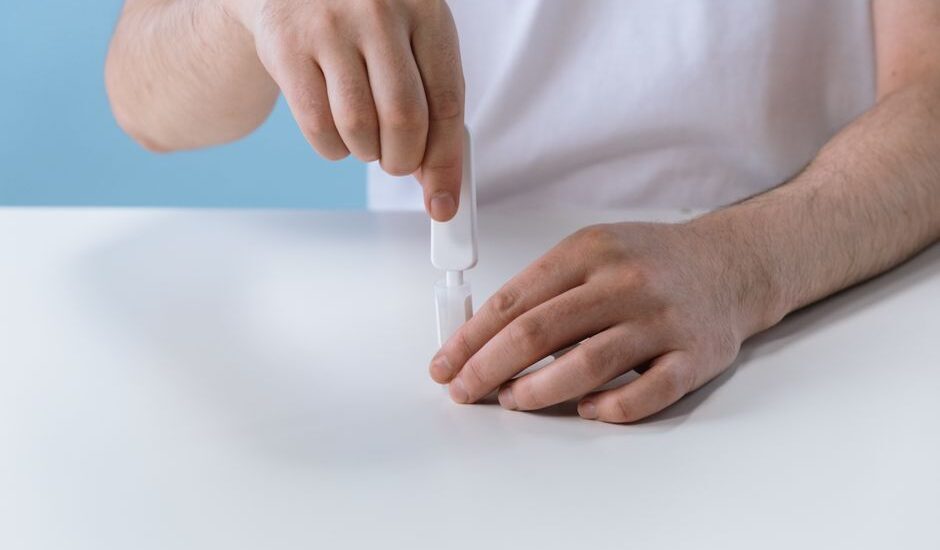
- Instant-read kits: You use a test strip and a handheld device or color chart to get results in 3–15 minutes. Some kits measure only total cholesterol, while others offer a partial lipid panel. No mailing required, but you interpret the result yourself.
The key difference is that mail-in kits use the same enzymatic assays as clinics, while instant kits rely on colorimetric reactions and, sometimes, less sensitive detection methods. This impacts accuracy and the level of detail you get.
How home cholesterol test accuracy compares to lab results
Lab-based cholesterol tests are the gold standard, typically accurate within ±3–5% for total cholesterol, LDL, and HDL. Home kits, especially instant-read types, show greater variability. Most mail-in home kits report accuracy within ±10% of lab values, while instant-read kits can drift up to ±15% — and in some cases, even more if not used exactly as directed.
Several studies have benchmarked home cholesterol tests against laboratory results. For example, a peer-reviewed comparison found that FDA-cleared mail-in kits achieved correlation coefficients of 0.92–0.96 for total cholesterol vs. lab results (where 1.0 is perfect agreement). Instant-read kits, especially those using color charts, fared worse: correlation coefficients sometimes dropped below 0.85, with users commonly misreading borderline results.
Environmental factors matter, too. Temperature, humidity, and even the timing of your last meal can skew instant kit readings. Mail-in kits, though still subject to user error during collection, benefit from professional analysis under controlled conditions. For most people, this means mail-in kits offer the closest alternative to a clinic visit, but even then, a home test is only as good as your sample collection and the lab’s protocols.
Choose the right format for your needs
Deciding between an instant-read kit and a mail-in lab kit comes down to what you value: speed, detail, or reliability. Here’s how the main options stack up.
How the options compare
| Type | What it measures | Result time | Sample volume | Accuracy vs. lab |
|---|---|---|---|---|
| Mail-in lab kit | Total, HDL, LDL, Triglycerides | 2–5 days | 2–5 drops | ±10% |
| Electronic instant meter | Total, HDL, LDL (some: Triglycerides) | 3–10 minutes | 1–2 drops | ±12–15% |
| Colorimetric test strip | Total cholesterol only | 5–15 minutes | 1 drop | ±15% or more |
| Clinic-based test | Total, HDL, LDL, Triglycerides | Same-day to 3 days | 2–5 mL (venous draw) | ±3–5% |
Looking for a full lipid panel and the highest home accuracy? A mail-in kit is your best bet. Want quick feedback and are willing to accept less precision? An electronic instant meter or color strip may suffice.for each type to see what fits your budget and expectations.
Related Guides
- Home Vein Finders That Actually Work: Our Top Recommendations
- Electric Nail Files Worth Trying for Salon-Quality Results at Home
- Air Purifiers vs Humidifiers: Which One Does Your Home Really Need?
- How to Safely Sterilize Dental Equipment at Home: A Practical Guide
- How to Sterilize Your Menstrual Cup at Home: A Practical Guide
- Our guide to Digital Otoscopes for Home Use: What to Know Before You Buy
- Browse all Medical Devices →
Specifications that actually matter
Measurement range
Most home tests measure total cholesterol from 100–400 mg/dL, HDL from 20–100 mg/dL, and LDL from 50–250 mg/dL. If your values are outside these ranges, the result may simply read “high” or “low” without a number. Choose a kit with a range that covers your expected values.
Accuracy specification
Look for kits that publish a ±% accuracy or “correlation to lab” figure. For example, a ±10% accuracy means a lab result of 200 mg/dL might read anywhere from 180–220 mg/dL on your kit. Higher accuracy is critical if you need to track small changes over time.
Sample volume required
Some kits need only a single drop (about 30–50 μL), while others require multiple drops. If you have difficulty with finger pricks or poor circulation, lower-volume kits are easier to use and less prone to error.
Result detail
Not all kits provide the full lipid panel. If you need LDL and triglycerides, check that the kit measures these — many instant strips only give total cholesterol. More detail allows for a more actionable conversation with your healthcare provider.
Regulatory clearance
Kits with FDA clearance (or CE marking in Europe) have demonstrated a minimum level of accuracy and reliability. While not a guarantee of perfection, regulatory status is a useful filter to weed out unproven or poorly validated options.
Common pitfalls: where home cholesterol testing goes wrong
Home cholesterol testing can deliver useful information, but several pitfalls trip up users. Incorrect sample collection is the most common source of error. Inadequate blood volume, contamination with tissue fluid (from squeezing the finger), or expired test strips can all skew results. With instant-read kits, color interpretation is another weak point — studies show users often misjudge colors near clinical cutoffs, leading to false reassurance or undue worry.
Another overlooked factor is fasting status. Most labs require a 9–12 hour fast before drawing blood for cholesterol. Many home kits don’t enforce this, but eating before testing can raise triglyceride and cholesterol readings by 10–20%. For apples-to-apples comparison, always test under the same conditions. Finally, environmental storage matters: high humidity or temperatures above 86°F (30°C) can degrade test strips and reagents, reducing accuracy.
Who should (and shouldn’t) rely on home cholesterol tests?
Home cholesterol tests are best suited for people tracking general trends between annual checkups, or those managing lifestyle changes who want more frequent feedback. If you have a known cholesterol disorder, a history of heart disease, or are taking medication for cholesterol, home tests should only supplement — never replace — regular lab monitoring. Clinicians may not accept home kit results for medication adjustments or diagnosis, as only lab tests meet the precision standards required for clinical decisions.
For anyone with needle phobia or limited access to healthcare, home kits can lower the barrier to screening. But if your results are borderline, change significantly, or don’t make sense in context, always confirm with a professional test. It’s also worth noting that home kits aren’t designed to detect all lipid abnormalities (like lipoprotein(a) or particle size), which can be clinically important in some cases.
Real-world use: what to expect from your first home test
Setting realistic expectations is key. Even the best home kits can’t match the precision of a venous blood draw under lab conditions. Most users find pricking their finger and collecting enough blood trickier than expected, especially for mail-in kits. Allow 10–20 minutes for the process, and have extra lancets and wipes on hand.
After mailing your sample or reading your instant results, compare the values to your last lab-based test. If your total cholesterol reads 10–15% higher or lower than before, consider repeating the test or checking with your provider. Over time, home kits are best for tracking broad changes, not for making fine-tuned health decisions. View options to see which test profile matches your routine and comfort level.
Why lab tests are still the gold standard
Laboratory cholesterol tests use automated enzymatic assays, with built-in quality controls and trained technicians. This means less room for error, tighter accuracy (±3–5%), and more reliable results for clinical decisions. Labs also measure a wider range of lipid markers, sometimes including advanced metrics not available in any home kit. If you need a definitive answer — for diagnosis, medication adjustment, or pre-surgical clearance — only a lab test will do.
That said, home kits fill a genuine gap for frequent monitoring, early screening, and convenience. As long as you understand their limitations, they can be a practical tool for self-care. For more on the science behind cholesterol testing, check the Lab Tests Online reference site for detailed explanations.
FAQ: Home cholesterol test accuracy and practical concerns
How accurate are home cholesterol tests compared to lab tests?
Mail-in home kits are typically accurate within ±10% of lab results, while instant-read kits range from ±12–15% or more. Lab tests remain more precise, with ±3–5% accuracy, because they use larger blood samples and automated equipment.
Do home cholesterol tests measure LDL and triglycerides?
Some home kits (mainly mail-in and electronic meter types) provide a full lipid panel, including LDL and triglycerides. Many instant-read color strip kits measure only total cholesterol. Always check the product details to ensure you get the information you need.
How often can you use a home cholesterol test?
You can use most home cholesterol tests as often as you like, but meaningful changes in cholesterol typically take weeks to months. For tracking lifestyle changes, monthly testing is common. Kits that include multiple test strips or mail-in envelopes support more frequent monitoring.
Home cholesterol test vs. professional lab test — which is better for ongoing monitoring?
Lab tests are best for diagnosis and medication management due to their higher accuracy. Home kits are useful for interim tracking or for people who need more frequent feedback. For most users, a combination of annual lab testing and occasional home tests offers the best balance.
What should you do if your home cholesterol test result is much higher than expected?
If your home result is significantly higher (more than 15–20% above your last lab value), repeat the test to rule out user error. If the high reading persists, confirm with a professional lab test before making any health decisions or medication changes.
Can you return or get a refund on home cholesterol test kits?
Return policies vary by retailer and kit type. Most unopened kits can be returned within 30 days, but used kits (especially mail-in types) are generally non-refundable due to biohazard regulations. Review the seller’s return terms before purchasing.for options with clear refund policies.
How long do home cholesterol test strips last?
Most test strips have a shelf life of 12–24 months when stored below 86°F (30°C) and away from humidity. Always check the expiration date and avoid using expired strips, as accuracy drops significantly.
The bottom line: home cholesterol tests are useful — but know their limits
Home cholesterol tests can give you a snapshot of your heart health between doctor visits, especially if you choose a mail-in kit with lab analysis. They’re not a substitute for clinical testing, but they’re a practical tool for tracking trends and motivating lifestyle changes. Prioritize accuracy specs, regulatory clearance, and the level of detail you need. And whenever your results raise questions, confirm with your healthcare provider or a professional lab test. Used wisely, home cholesterol kits are a smart addition to your health toolkit — just don’t expect them to do a lab’s job.
Last updated: June 2026 · About our research