Disclosure: As an Amazon Associate and eBay Partner Network publisher, we earn from qualifying purchases. This doesn’t affect what we recommend or how we describe it.
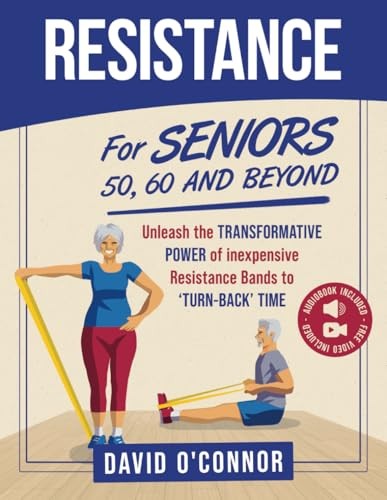
Most resistance bands marketed to seniors are just regular bands in softer colors. What actually matters isn’t the color or “senior-friendly” branding—it’s the combination of resistance range, grip design, safety features, and how well the band supports common strength and mobility goals for older adults. Whether you’re rehabbing a knee, rebuilding shoulder strength, or just want to maintain muscle for healthy aging, the wrong band can be a waste—or worse, a safety risk. Here’s how to cut through the noise and find the bands that genuinely serve the needs of seniors, with specific recommendations for different priorities.
Why Resistance Bands Aren’t All the Same—Especially for Seniors
Not all bands are built with older adults in mind. Many “beginner” sets still start at 10–15 lbs of resistance, which is more than most seniors need for safe, controlled movement. Others lack the grips or handles that make a difference for arthritic hands, or use latex that can snap unexpectedly. For seniors, the right resistance band minimizes joint strain, offers a clear progression from very light (2–5 lbs) up to moderate (15–20 lbs), and includes safety-oriented features like anti-snap design or built-in handles. It’s not just about building muscle—it’s about supporting balance, flexibility, and confidence with every rep.
Shopping new with fast Prime shipping? Amazon usually has the best stock.
Shop on Amazon →What Resistance Ranges Actually Work for Older Adults?
Most seniors need bands that start at a true “ultra-light” level—think 2–3 lbs at 100% stretch—especially for shoulder, rotator cuff, or post-surgery exercises. Standard sets often skip this level entirely. For leg and glute work, a progression up to 15–20 lbs is usually sufficient; anything heavier is rarely necessary unless you’re already experienced with resistance training. Look for bands that specify their resistance in pounds or kilograms at full stretch, not just vague color codes. If you see a set where the lightest band starts at 10 lbs, keep looking—this is often too much for safe control, especially for smaller muscle groups.
Flat Bands, Loops, or Tubes: What’s the Best Format for Seniors?
There are three main types of resistance bands, and each has real pros and cons for older adults:
- Flat “Therapy” Bands (no handles): These are typically 4–6 inches wide, made of latex or latex-free materials, and offer the gentlest resistance. They’re ideal for gentle rehab and stretching, but can be hard to grip if you have arthritis or weak hands.
- Tube Bands with Handles: These feature built-in foam or plastic handles, making them easier to hold and control. They’re great for general strength training, but even the lightest tube can be too strong for delicate rehab work.
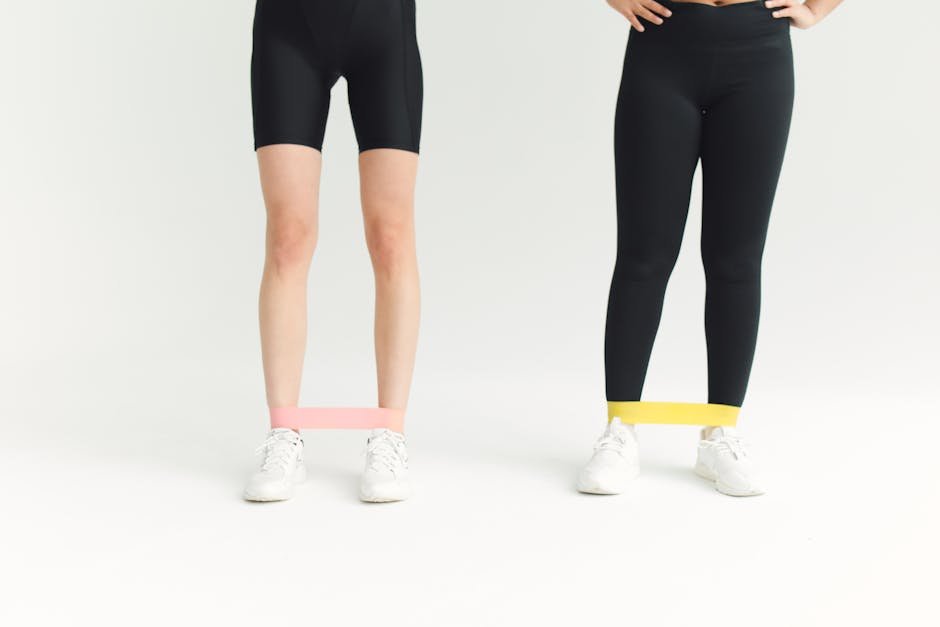
- Mini Loops: Small, closed-loop bands (usually 10–12 inches in circumference) are excellent for hip, glute, and balance exercises. However, they often start at a higher resistance and can roll or pinch if not sized correctly.
For most seniors, a flat band set with true “extra-light” options is best for upper body and rehab work, while a tube set with handles is ideal for standing rows, chest presses, and other larger movements. Mini loops are a useful addition for lower-body stability, but shouldn’t be your only option.
How the Options Compare: Resistance Bands for Different Senior Needs
| Buying Profile | Resistance Range | Grip/Handle Type | Material & Safety | Best For |
|---|---|---|---|---|
| Ultra-gentle rehab set | 2–10 lbs (flat bands, 5-foot lengths) | Direct grip, wide band | Latex-free, tear-resistant | Physical therapy, arthritis, post-surgery |
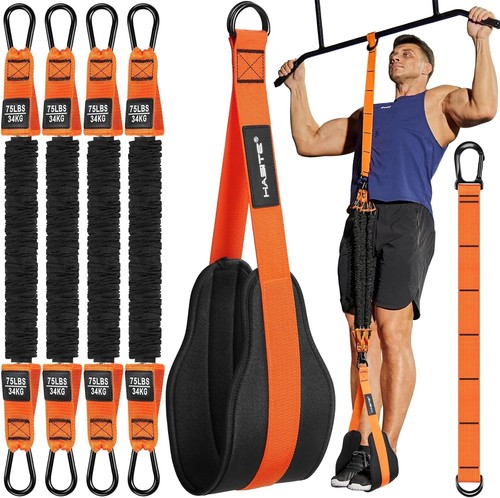
| Handle-equipped starter kit | 5–20 lbs (tubes, color-coded) | Foam handles, metal carabiners | Double-layer protection, anti-snap | General strength, standing exercises |
| Mini-loop band set | 10–40 lbs (loops, 12-inch circumference) | Direct loop, no handles | Non-slip fabric or latex, reinforced seams | Hip/glute work, balance, gait training |
| Extra-long “whole body” option | 3–15 lbs (flat, 6–7 feet) | Wide grip or tied ends | Latex-free, washable | Pilates, yoga, full-body stretching |
| Heavy-duty advanced set | 10–50 lbs (tubes + bands) | Interchangeable handles/ankle straps | Multi-layer, snap-resistant | Experienced users, high resistance training |
Why Grip Design Makes or Breaks a Band for Seniors
Hand strength and arthritis are real barriers for many older adults. Bands with built-in foam handles (at least 1.25-inch diameter) are much easier to control than bare bands, especially for movements like rows or presses. For flat bands, look for sets that are at least 5 inches wide—narrower bands dig into the hands and are harder to hold. Some options feature built-in loops at each end, which can be slipped over wrists for a secure hold without a tight grip. If you have significant hand pain or weakness, prioritize tube bands with ergonomic handles over flat bands.
Related Guides
Latex vs. Latex-Free: What Actually Matters for Safety and Longevity
Traditional bands are made from natural latex, which offers great stretch but can degrade over time and poses a risk for anyone with a latex allergy (about 1–6% of older adults). Latex-free bands, typically made from TPE or synthetic rubber, are hypoallergenic and often more tear-resistant. However, they may not stretch as smoothly or last as long under heavy use. If you’re using bands daily or in a group setting (like a senior center), latex-free is the safer bet. For personal use, latex is fine if you have no allergy, but inspect your bands regularly for cracks or thinning—especially at attachment points.
What to Look for in a Truly Senior-Friendly Resistance Band Set
- Resistance progression: Bands should step up in increments of 2–5 lbs, not jump from 2 lbs straight to 10 lbs. This is critical for safe, gradual strength gains.
- Length and width: Flat bands should be at least 5 feet long and 5 inches wide for versatility and comfort. Shorter bands limit your exercise options.
- Handles and attachments: Look for tube sets with secure, non-slip handles (foam or rubberized) and sturdy metal connectors—not plastic clips, which can break.
- Anti-snap design: Double-layer or fabric-reinforced bands are much less likely to break mid-exercise, a real safety advantage for older users.
- Clear labeling: Each band should be marked with its resistance level (in lbs or kgs), not just a color code. This helps you progress safely over time.
See what’s available for sets that meet these senior-specific criteria.
How to Avoid the Most Common Mistakes When Choosing Bands
The biggest error is buying a “multi-resistance” set that starts too heavy—many kits labeled “beginner” still start at 10 lbs, which is too much for delicate joints or post-injury rehab. Another issue: skipping grip-friendly designs, leading to dropped bands or poor form. Don’t be swayed by flashy packaging or claims of “universal use”—check the actual resistance numbers, grip size, and safety features. If you’re unsure, start with a set that offers at least three bands ranging from 2–12 lbs, with the option to add heavier bands as you gain strength.
For extra peace of mind, compare today’s deals on sets with built-in handles and anti-snap construction.
Real-World Use: What Resistance Bands Can (and Can’t) Do for Senior Fitness
Bands are fantastic for improving strength, flexibility, and balance with minimal joint stress. They’re especially useful for seniors who want to exercise at home, travel, or avoid heavy weights. However, bands alone may not provide enough stimulus for advanced strength gains—especially for legs—once you’re past the early stages. They also don’t replace the need for balance work, walking, or other forms of activity. The best approach: use bands as a safe, scalable tool within a broader movement routine. And always anchor bands securely—a door anchor or heavy table leg is far safer than wrapping around a chair leg.
Ready to try? Check current prices on senior-optimized band sets with true light resistance and secure grips.
Shopping new with fast Prime shipping? Amazon usually has the best stock.
Compare Options on Amazon →FAQ: Resistance Bands for Seniors
What resistance level should a beginner senior start with?
Most seniors do best starting with bands that provide 2–5 lbs of resistance at full stretch, especially for upper body or rehab work. Bands labeled “extra-light” or “therapy” grade are usually appropriate. For lower body exercises, you can progress to 8–15 lbs as tolerated.
Are tube bands or flat bands safer for seniors?
Flat bands offer gentler resistance and are less likely to snap suddenly, making them ideal for beginners or those with joint issues. Tube bands with handles are easier to grip and better for general strength work, but only if the resistance starts low enough.
Can resistance bands replace free weights for seniors?
Bands can substitute for free weights in most beginner and intermediate routines, especially for upper body and core work. However, for building maximal leg strength or bone density, some seniors may eventually need to add weight-bearing exercises.
How do I know if a band is safe to use?
Check for signs of wear: thinning, cracks, or sticky spots mean the band should be replaced. Bands with double-layer or fabric reinforcement are less likely to snap. Always inspect attachment points and avoid using bands with visible damage.
Are latex-free bands as good as latex bands?
Latex-free bands are just as effective for most users and are essential if you have a latex allergy. They may feel slightly stiffer and can wear out faster with heavy use, but they’re safer for group and clinical settings.
What exercises are best to start with using resistance bands?
Begin with simple, controlled movements: seated rows, chest presses, bicep curls, and leg extensions. Focus on slow, steady motion and only progress to more complex or standing exercises as your confidence and strength improve.
The Bottom Line: What Matters Most When Choosing Bands for Seniors
The best resistance bands for seniors aren’t the ones with flashy packaging or bold claims—they’re the sets that offer true light resistance, comfortable grip options, and clear, safe progression. Prioritize bands with documented resistance levels, anti-snap features, and designs that work for hands with less strength or dexterity. Whether you’re just starting rehab or looking to maintain strength for the long haul, the right band set can make all the difference in safety, confidence, and results.