
Disclosure: As an Amazon Associate and eBay Partner Network publisher, we earn from qualifying purchases. This doesn’t affect what we recommend or how we describe it.
The biggest difference between a nebulizer that simply gets the job done and one that actually makes daily breathing treatments easier is not the type of medication you use—it’s how well the device fits your real routine. The right machine will be quiet enough for night use, fast enough to not disrupt your day, and reliable enough that you never have to think twice about whether your next dose will work. But with options ranging from basic piston compressors to smart mesh models, and prices that vary from under $40 to over $200, sorting out the real pros and cons can be surprisingly tricky.
Why Nebulizer Design Matters More Than You Think
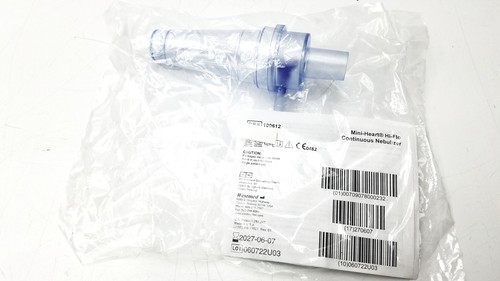
All home nebulizers turn liquid medication into a fine mist, but the way they do it has a big impact on noise, treatment time, portability, and even how much medication actually reaches your lungs. The three main designs—jet (compressor), ultrasonic, and mesh—each have their own clinical strengths and user tradeoffs.
- Jet (Compressor) Nebulizers: These use a piston-driven air compressor to force air through the medication. They’re the most common home type, known for reliability and affordability. However, they’re typically larger (average 3-4 lbs), noisy (50-60 dB), and treatments often take 10-15 minutes.
- Ultrasonic Nebulizers: These use high-frequency sound waves to vibrate the medication into a mist. They’re quieter (often under 40 dB) and faster (5-7 minutes), but can heat up the liquid slightly, which may not be suitable for all medication types.
- Mesh Nebulizers: These use a vibrating mesh plate with thousands of microscopic holes to create a fine mist. They’re the smallest (sometimes under 8 oz), nearly silent (<35 dB), and deliver medication efficiently in 4-8 minutes. They’re also the most expensive and require careful cleaning to avoid clogging.
While every type is FDA-cleared for home use, the practical differences—especially in noise, size, and speed—can mean the difference between sticking with a treatment plan or dreading every session.
Shopping new with fast Prime shipping? Amazon usually has the best stock.
Shop on Amazon →How the Options Compare: Real-World Profiles
| Buying Profile | Noise Level | Average Treatment Time | Portability | Power Source | Best Use Case |
|---|---|---|---|---|---|
| Basic compressor for home | 50–60 dB | 10–15 min | Bulky (3–4 lbs) | Wall outlet | Daily home therapy, budget users |
| Compact compressor | 45–55 dB | 8–12 min | Medium (1.5–2.5 lbs) | Wall outlet | Space-limited homes, travel with power |
| Ultrasonic portable | 35–45 dB | 5–7 min | Lightweight (12–20 oz) | Rechargeable battery/USB | Frequent travelers, quiet night use |
| Mesh pocket-size | <35 dB | 4–8 min | Ultra-light (<8 oz) | AA/AAA batteries or USB | On-the-go, children, tech users |
| Pediatric-friendly design | 45–55 dB | 8–12 min | Medium (1–2 lbs) | Wall outlet | Kids, anxiety-prone users |
| Quiet premium model | <40 dB | 5–8 min | Light (1–1.5 lbs) | Rechargeable battery/USB | Nighttime, shared spaces |
What Actually Matters When Choosing a Home Nebulizer
Most people focus on price, but two much more practical factors will shape your daily experience: treatment time and noise. Here’s why these matter, and what to look for:
- Treatment Time: Anything over 10 minutes can feel endless, especially for children or if you need multiple daily sessions. Mesh and ultrasonic models can cut this to under 7 minutes—sometimes as little as 4.
- Noise: A standard compressor hums at 50-60 dB (think of a loud dishwasher). If you need late-night treatments or live in shared spaces, a mesh or ultrasonic unit (<35–40 dB) is dramatically less disruptive.
- Portability: If you ever need to bring your nebulizer to work, school, or travel, size and power source matter. Mesh units can slip into a jacket pocket and run on AA/AAA batteries or USB—some even work with power banks.
- Medication Compatibility: Not every nebulizer can handle every medication. For example, ultrasonic models may not be suitable for suspensions or protein-based meds. Always double-check with your prescriber or pharmacist.
- Cleaning and Maintenance: Mesh plates require gentle cleaning after each use and periodic disinfection. Compressor models need less frequent cleaning, but the tubing and mask still require regular care.
For most adults using standard saline or bronchodilator solutions, any FDA-cleared home nebulizer will technically work. The difference is how much friction it adds—or removes—from your daily routine.
Real-World Use Cases: Matching Nebulizer Profiles to Your Needs
There’s no single “best” nebulizer for every home. The right pick depends on how you use it, who’s using it, and what matters most in your routine:
- For daily home therapy: A basic compressor is the most cost-effective and reliable. Expect more noise and longer sessions, but you sacrifice little in terms of medication delivery.
- For travel or work: A mesh or ultrasonic model is worth the higher price for true portability. Look for units under 10 oz with USB or battery options. Compare today’s deals
- For children or anxious users: Pediatric-friendly compressors with playful designs and masks make sessions less intimidating. But for noise-sensitive kids, invest in a quiet mesh model—some run at less than 35 dB.
- For shared spaces or nighttime: Prioritize low noise and short treatment time. Quiet premium models and mesh units are the least disruptive. See what’s available
- For multiple users: Choose a model with easily replaceable mouthpieces and masks, and check if it comes with extra accessories.
Clinical Context: Why Nebulizer Specs Aren’t the Whole Story
It’s tempting to focus on specs like “particle size ≤5 microns” or “output rate ≥0.25 mL/min,” but for most home users, these differences are marginal. Nearly all modern nebulizers deliver particles in the 2–5 micron range—ideal for lower airway delivery. Output rate only matters if you’re trying to shorten session times; mesh and ultrasonic units often deliver faster, but the clinical efficacy is similar if you complete the full dose. The bigger risk is choosing a device that’s so loud, slow, or clunky that you don’t use it consistently.
Where specs do matter: if your medication is a suspension (not a solution), or you use protein-based treatments, avoid ultrasonic models unless your prescriber confirms compatibility. Compressor and mesh designs handle a wider range of meds.
Related Guides
- Air Purifiers vs Humidifiers: Which One Does Your Home Really Need?
- Top Electric Nail Files Worth Trying for Salon-Quality Results at Home
- The Best Acupressure Mats Worth Trying for Home Wellness
- Red Light Therapy Panels for Home Use: What to Know Before You Buy
- Best ECG Monitors for Home Use 2026: Our Top Picks
- Rowing Machines: How to Choose the Right Option for Your Home Gym
- Browse all Buying Guides →
Common Mistakes When Buying a Home Nebulizer
Many buyers end up dissatisfied not because the device doesn’t work, but because it doesn’t fit their actual life. Here are the most common pitfalls:
- Assuming all nebulizers are portable: Most compressor models are not. If you want true portability, check the weight (under 1 lb is ideal) and power source.
- Overlooking cleaning requirements: Mesh units need daily attention. If you’re not up for regular cleaning, stick with a compressor model—just don’t neglect the masks and tubing.
- Ignoring noise ratings: If you plan to use your nebulizer while others sleep, noise is as important as treatment time.
- Buying on price alone: The cheapest options are often the loudest and slowest. Spending $30–$50 more can make a huge difference in daily comfort.
Shopping new with fast Prime shipping? Amazon usually has the best stock.
Compare Options on Amazon →FAQ: What People Actually Ask About Home Nebulizers
What is the quietest type of home nebulizer?
Mesh nebulizers are consistently the quietest, with noise levels typically under 35 dB—quieter than most electric toothbrushes. Ultrasonic models are also much quieter than compressor types, usually under 40 dB.
How long does a typical nebulizer treatment take at home?
Standard compressor models take 10–15 minutes per session. Ultrasonic and mesh nebulizers can cut this to 4–8 minutes, depending on the medication volume and output rate.
Can I use any medication with any nebulizer?
No. While compressor and mesh models can handle most standard solutions and suspensions, ultrasonic nebulizers may not be suitable for suspensions or protein-based medications. Always confirm compatibility for your prescription.
What maintenance does a home nebulizer require?
All nebulizers require regular cleaning of the mask or mouthpiece after each use. Mesh models need the mesh plate rinsed and disinfected frequently. Compressor units require less frequent internal cleaning but should have tubing and accessories replaced regularly.
Are portable nebulizers as effective as larger home models?
Yes, as long as the device is FDA-cleared and produces particle sizes in the 2–5 micron range, it will deliver medication effectively. The main differences are in speed, noise, and convenience—not clinical efficacy.
How often should I replace nebulizer accessories?
Masks, mouthpieces, and tubing should be replaced every 3–6 months, or sooner if they show signs of wear or discoloration. Mesh plates (in mesh nebulizers) may need replacing every 6–12 months, depending on frequency of use and cleaning habits.
When to Upgrade: Signs Your Old Nebulizer Is Holding You Back
If your current device takes over 15 minutes per session, sounds like a lawnmower, or has started to sputter or deliver inconsistent mist, an upgrade can make a bigger difference than you might think. Modern mesh and ultrasonic models are not just smaller—they’re less stressful to use, quieter for everyone around you, and easier to fit into a busy schedule. Check current prices
The Bottom Line: Choose for Your Routine, Not Just Your Prescription
Every FDA-cleared home nebulizer will deliver your medication, but the difference in user experience is dramatic. Prioritize noise, speed, and portability over specs that sound impressive but rarely matter in daily life. If you value quiet and convenience, mesh or ultrasonic models are worth the investment. For strictly home-based, infrequent use, a basic compressor will serve you well for years. The best nebulizer is the one you’ll actually use—consistently, comfortably, and without dreading every session.