Disclosure: As an Amazon Associate and eBay Partner Network publisher, we earn from qualifying purchases. This doesn’t affect what we recommend or how we describe it.
When selecting a food scale, consider the accuracy, capacity, ease of use, and additional features that cater to your specific needs. A reliable food scale can significantly improve your cooking precision and support dietary goals, making it a must-have tool in any kitchen.
Key Considerations for Food Scales
Before diving into specific profiles, it’s crucial to understand what features genuinely matter in a food scale. Accuracy, measurement units, and build quality are fundamental aspects that can influence your decision.
Accuracy and Precision
Accuracy is the cornerstone of a good food scale. Most digital food scales offer precision to within 1 gram or 0.1 ounces, which is sufficient for most cooking and baking needs. However, if you’re dealing with very small quantities, such as spices or baking powder, consider a scale with higher precision, perhaps accurate to 0.1 grams.
Measurement Units and Capacity
A versatile food scale should offer multiple measurement units, such as grams, ounces, milliliters, and pounds, to accommodate a variety of recipes. Additionally, ensure the scale has a capacity that meets your needs—most scales handle up to 5 kilograms (11 pounds), but some models offer higher capacities for bulk cooking or baking.
Ease of Use and Readability
Look for a scale with an easy-to-read display, ideally backlit for better visibility in different lighting conditions. Touch-sensitive controls or tactile buttons can enhance usability, especially when your hands are messy during cooking.
Build Quality and Design
Durability is essential, particularly if you plan to use the scale frequently. Stainless steel platforms are not only sturdy but also easy to clean. Compact designs are ideal for those with limited counter space, while larger platforms can accommodate bigger bowls and ingredients.
Looking for related products? Explore options online →
How the Options Compare
| Profile | Best for | Precision | Capacity | Unique Feature |
|---|---|---|---|---|
| Tech-integrated option | App users | 1g / 0.1oz | 5kg / 11lbs | Bluetooth connectivity |
| Budget pick | Occasional users | 1g / 0.1oz | 3kg / 6.6lbs | Compact design |
| Premium full-coverage | Serious chefs | 0.1g / 0.005oz | 10kg / 22lbs | High precision |
| All-in-one kitchen tool | Multi-purpose users | 1g / 0.1oz | 5kg / 11lbs | Integrated timer |
Understanding Specific Needs
The best food scale for you will depend on your specific kitchen habits and dietary needs. Below, we explore different user profiles to help you identify which type of scale might suit you best.
For the Tech-Savvy Cook
If you love integrating technology into your kitchen, consider a scale with Bluetooth connectivity. These scales sync with apps to track nutritional information, making them perfect for those monitoring their diet closely.
For the Budget-Conscious Buyer
If you’re an occasional cook or just starting, a budget-friendly option might suit your needs. These scales offer essential features without the frills, often with a compact design that’s easy to store.
For the Professional or Serious Home Chef
For those who require high precision, perhaps for baking or professional cooking, a premium scale with 0.1g accuracy and larger capacity is ideal. These scales often include additional features like tare functions and more durable construction.
For Multi-Purpose Use
Some scales offer additional kitchen tools, such as timers or bowl attachments, making them versatile for various cooking tasks. These are great for those who want an all-in-one solution for their kitchen needs.
Related Guides
Common Mistakes When Choosing a Food Scale
Even with the best intentions, choosing the wrong food scale can lead to frustration. Here are some common pitfalls to avoid.
Ignoring Measurement Precision
Many users overlook the importance of precision, especially when measuring small quantities. Always check the scale’s precision level to ensure it meets your specific requirements.
Overlooking Build Quality
A low-quality scale might be cheaper upfront but could cost more in the long run if it breaks easily. Opt for sturdy materials like stainless steel for longevity.
Not Considering Usability
A scale with a hard-to-read display or complicated controls can be a hassle. Consider the ease of use, especially if you cook frequently or have vision impairments.
Frequently Asked Questions
How accurate should a food scale be?
For most home cooking and baking, a precision of 1 gram or 0.1 ounces is sufficient. However, if you need to measure very small quantities, look for a scale with higher precision, such as 0.1 grams.
Do I need a food scale with a large capacity?
The capacity you need depends on your cooking habits. Most scales handle up to 5 kilograms (11 pounds), which is adequate for standard home use. For bulk cooking, consider scales with higher capacities.
What features should I look for in a food scale for baking?
Precision is crucial in baking, so opt for a scale with a high degree of accuracy. Additional features like a tare function and a large platform can also be beneficial.
Are digital scales better than analog scales?
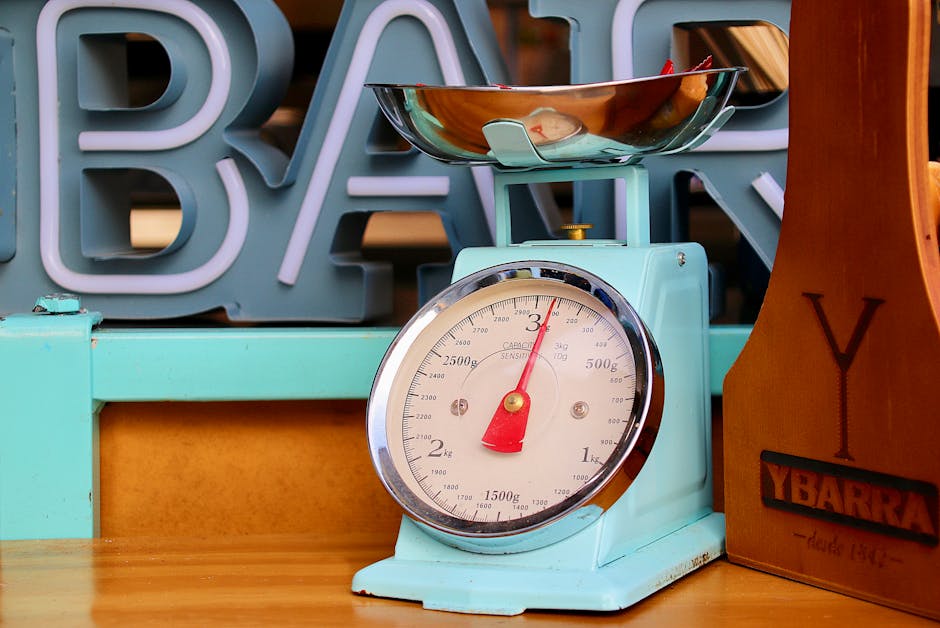
Digital scales generally offer more precision and features, such as multiple measurement units and tare functions. Analog scales can be less precise and are often bulkier, but they don’t require batteries.
Can food scales measure liquid ingredients?
Yes, many digital food scales can measure liquid ingredients by switching to milliliters or fluid ounces. This feature is particularly useful for recipes requiring precise liquid quantities.
How do I maintain my food scale?
Regularly clean the scale’s platform with a damp cloth to prevent build-up of food particles. Avoid submerging it in water and check the battery periodically to ensure consistent performance.
Final Takeaway
Choosing the right food scale can profoundly impact your cooking efficiency and accuracy. Whether you’re a tech-savvy cook, a budget-conscious buyer, or a professional chef, there’s a scale designed to meet your unique needs. Evaluate your priorities, from precision to capacity, and invest in a scale that enhances your culinary adventures. Remember, the best food scale is one that seamlessly integrates into your cooking routine while providing the accuracy and ease of use you require.
Compare today’s deals | View options | See what’s available