Disclosure: As an Amazon Associate and eBay Partner Network publisher, we earn from qualifying purchases. This doesn’t affect what we recommend or how we describe it.
7 min read
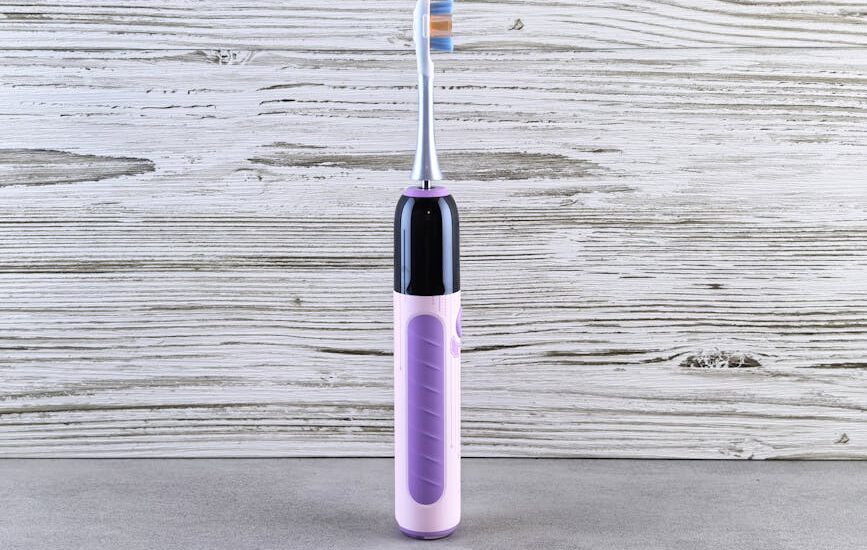
The most important factor when choosing an electric toothbrush isn’t the number of cleaning modes or whether it syncs to your phone—it’s how consistently you’ll actually use it. A toothbrush with 40,000 brush strokes per minute and a dozen features means little if it’s not comfortable in your hand or the brush heads are too expensive to replace regularly. Before you get lost comparing brush speeds and pressure sensors, it pays to focus first on usability, replacement cost, and the features that genuinely improve your brushing routine. For more detail, see ADA recommendations on toothbrushes.
Real Differences Between Electric Toothbrushes: What Actually Matters
Electric toothbrushes all promise better plaque removal, but what truly sets them apart are three core factors: brushing mechanism, timer and pressure features, and the long-term cost of replacement heads. Most fall into two main camps—oscillating-rotating and sonic. Oscillating toothbrushes use small, circular motions (typically 5,000–10,000 per minute), while sonic brushes vibrate side-to-side at much higher speeds (often 30,000–60,000 strokes per minute). Clinical studies show both mechanisms outperform manual brushes for plaque removal, but neither is universally superior—comfort and personal preference often matter more. For more detail, see Consumer Reports toothbrush buying guide.
Built-in timers (usually 2 minutes) and quadrant pacers (30-second intervals) are now standard even on basic models. Pressure sensors, which alert you if you brush too hard, appear mostly on mid- and high-end brushes. These can help prevent gum damage, but only if you tend to use excessive force. What’s less obvious to new buyers is that replacement heads can cost anywhere from $2 to $10 each. That difference adds up quickly and can make a “budget” toothbrush more expensive over time than a pricier model with affordable heads.
Want to see what’s on the shelves right now? Check current selection →
How Electric Toothbrush Categories Compare
| Buying Profile | Brush Mechanism | Timer & Pressure Sensor | Battery Life | Replacement Head Cost | Who It’s Best For |
|---|---|---|---|---|---|
| Entry-level, no-frills | Sonic or oscillating (15,000–20,000 strokes/min) |
Basic 2-min timer, no pressure sensor |
5–7 days | $2–$4 per head | First-time electric toothbrush users, budget-focused buyers |
| Mid-range with gum protection | Sonic or oscillating (25,000–40,000 strokes/min) |
2-min timer, pressure sensor, quadrant pacer |
2–3 weeks | $3–$6 per head | People with sensitive gums, those prone to brushing too hard |
| Premium/app-connected | Sonic (up to 60,000 strokes/min) | Customizable timers, pressure sensor, app feedback |
3–6 weeks | $4–$10 per head | Tech enthusiasts, those wanting detailed brushing feedback |
| Travel-focused | Sonic or oscillating (15,000–30,000 strokes/min) |
Basic timer | Up to 8 weeks (AAA battery) | $2–$5 per head | Frequent travelers, minimalists |
What Brush Speed and Motion Mean for Cleaning
Manufacturers often tout brush speed—sometimes as high as 60,000 strokes per minute. In practice, anything above 15,000 strokes is clinically effective against plaque, and the difference between 30,000 and 60,000 is hard to notice for most users. Oscillating heads (which rotate in small circles) are often smaller and can be easier to maneuver around back teeth and orthodontic work, while sonic brushes generate a sweeping vibration that some find more comfortable. If you have sensitive teeth or gums, a softer, slower brush (15,000–25,000 strokes/min) can feel less harsh, especially in the first few weeks.
Some premium models add “pulsation” or “micro-vibration” claims, but there’s limited evidence these features improve cleaning over core sonic or oscillating action. What matters more is that the brush feels comfortable and encourages a full two minutes of brushing.
Replacement Head Costs: The Hidden Long-Term Expense
Many users underestimate how much replacement brush heads add to the true cost of owning an electric toothbrush. Dentists recommend replacing heads every 3 months. For a family of four, a $2 difference per head adds up to $32 per year. Some brush handles accept generic heads, which can be significantly cheaper; others require proprietary heads that cost $6–$10 each. Before you choose, check the price and availability of compatible heads—especially if you’re buying for multiple people or plan to use the brush for several years.
Some manufacturers color-code heads for different purposes (sensitive, whitening, orthodontic), but these differences are often minor. The main thing is to replace the head regularly and ensure it fits snugly on your handle.
See what’s availableBattery Life and Charging: When It Actually Matters
Battery life varies widely. Entry-level models may last 5–7 days per charge, while some premium or travel-focused brushes offer up to 8 weeks. If you travel frequently or share a bathroom with limited outlets, look for a brush that lasts at least 2 weeks on a single charge. Some models use USB charging, which is convenient for travel, while others come with proprietary charging stands. Brushes that use replaceable AAA batteries can be handy for long trips, but may cost more over time.
Charging time can range from 8 to 24 hours. For most users, this isn’t a daily concern, but if you tend to forget to charge devices, a longer battery life is worth prioritizing over extra cleaning modes.
Features That Sound Impressive, But Don’t Always Matter
Many electric toothbrushes advertise multiple cleaning modes—“whitening,” “gum care,” “sensitive,” etc. Most of these modes simply adjust the speed or intensity. There’s little evidence these specialized modes outperform a standard cleaning mode if you’re brushing for two full minutes with proper technique. App connectivity, 3D tracking, and LED displays can be motivating for some, but they add cost and complexity. Unless you know you’ll use these features, it’s usually smarter to invest in a comfortable handle and affordable heads.
Pressure sensors help if you tend to brush too hard (which can lead to gum recession). For everyone else, they’re a nice-to-have, not a must. Similarly, travel cases and UV sanitizers are only worth paying for if you’ll genuinely use them.
Compare today’s dealsHow to Match a Toothbrush to Your Brushing Habits
Your brushing habits play a bigger role in oral health than the brush itself. If you rush through brushing or miss areas, a model with a quadrant pacer (pauses every 30 seconds) can help you develop a thorough routine. If you travel often, prioritize battery life and a compact design. For sensitive gums, look for a brush with a “gentle” or “sensitive” mode and softer bristles. If you have braces or dental implants, a smaller oscillating head can make cleaning around hardware easier.
Ultimately, the best toothbrush is the one you’ll use twice a day, every day. It shouldn’t feel like a chore to hold or operate. If you dislike the feel of a particular brush, you’re less likely to use it regularly—and that’s the real dealbreaker.
Related Guides
- Electric Toothbrushes vs Regular: Which Should You Choose?
- Adjustable Foot Stools for Seniors: How to Choose the Right One
- Top Electric Nail Files Worth Trying for Salon-Quality Results at Home
- Electric Nasal Irrigators That Actually Work: A No-Nonsense Guide
- Electric Eye Massager Benefits: What Science and Users Reveal
- Browse all Educational Guides →
Common Mistakes When Shopping for Electric Toothbrushes
It’s easy to get distracted by flashy features and ignore practical considerations. One common mistake is choosing a model with expensive, hard-to-find replacement heads. Another is overpaying for advanced modes you’ll never use. Some buyers pick brushes with weak batteries, only to find themselves constantly recharging. And many overlook handle size—if it’s too bulky or too slim for your grip, you’ll dread using it.
Don’t assume a higher price equals better cleaning. Clinical studies show even basic electric brushes outperform manual brushing, provided you use them correctly and for the recommended two minutes. Invest in comfort and practicality over features you won’t use.
View optionsFAQ: Electric Toothbrush Buying Decisions
Is a sonic or oscillating electric toothbrush better for plaque removal?
Both sonic and oscillating electric toothbrushes remove more plaque than manual brushes. Clinical studies show no consistent winner between the two mechanisms—what matters more is using the brush for a full two minutes and reaching all areas of the mouth. Comfort and ease of use should guide your choice.
How often should I replace electric toothbrush heads?
Replace electric toothbrush heads every 3 months, or sooner if bristles become frayed. Worn bristles are less effective at cleaning and can irritate gums. This replacement schedule applies regardless of brush type or brand.
Does brush speed (strokes per minute) really matter?
Any brush with at least 15,000 strokes per minute provides clinically effective cleaning. Higher speeds (up to 60,000) may feel smoother but don’t guarantee better results. The most important factor is brushing thoroughly for two minutes.
Are pressure sensors necessary?
Pressure sensors are useful if you have a history of brushing too hard, which can cause gum recession. For most users, they’re a helpful but nonessential feature. Good brushing technique and soft bristles can also prevent gum damage.
Can I use generic replacement heads with my electric toothbrush?
Some electric toothbrushes are compatible with generic replacement heads, which can be much cheaper than proprietary versions. Always check compatibility before buying, as fit and performance can vary. Using a poorly fitting head can reduce cleaning effectiveness.
What features should I prioritize for sensitive teeth or gums?
Look for a toothbrush with a “sensitive” mode (lower speed or intensity) and soft bristles. A pressure sensor can help prevent over-brushing. Smaller brush heads may also be more comfortable for sensitive areas.
The Bottom Line: Practical Choices Beat Flashy Features
Choosing an electric toothbrush comes down to comfort, replacement head cost, and features that genuinely support your brushing habits. Ignore marketing hype about extreme speeds or dozens of modes—focus on a model that feels good in your hand, fits your budget for long-term use, and makes it easy to brush thoroughly every day. That’s the choice that will actually improve your oral health.