9 min read
Disclosure: As an Amazon Associate and eBay Partner Network publisher, we earn from qualifying purchases. This doesn’t affect what we recommend or how we describe it.
The single most important difference between electric and manual toothbrushes isn’t the technology — it’s how consistently you can achieve a thorough clean, every single day. When you strip away marketing claims and focus on what actually matters for your teeth and gums, the question becomes: which option helps you remove more plaque, causes the least gum damage, and fits into your real-life brushing habits? The answer isn’t always what you’d expect. For more detail, see American Dental Association on toothbrushes.
What Actually Changes When You Switch: Real Differences in Cleaning Power
The biggest technical distinction between electric and manual toothbrushes is in the brushing action. Manual brushes rely entirely on your hand movements — typically 200-300 strokes per minute, assuming you’re diligent. By contrast, electric toothbrushes generate anywhere from 6,000 to over 40,000 strokes or oscillations per minute, depending on the mechanism (sonic or oscillating). This order-of-magnitude difference means electric models can, in theory, remove more plaque in less time, even if your technique isn’t perfect. For more detail, see Cochrane review: Electric vs manual toothbrushes.
Clinical studies back this up: a 2020 meta-analysis found that electric toothbrushes reduced dental plaque by about 21% and gingivitis by 11% more than manual brushes after three months of use. However, these numbers are averages — the range can vary widely depending on how you use the brush, your brushing time, and your oral health baseline. The real takeaway: electric toothbrushes offer a measurable edge for most people, but they don’t make up for rushed or careless technique.
Need it this week? Amazon’s selection of new units is hard to beat for shipping speed.
View on Amazon →How the Options Compare: Key Specs and Real-World Use Cases
| Profile | Cleaning Action | Typical Price Range | Brushing Time Guidance | Best For | Downsides |
|---|---|---|---|---|---|
| The classic manual | 200-300 strokes/min (user-driven) | $1–$7 per brush | 2 minutes (self-timed) | Travel, budget, full control over pressure | Easy to miss spots, technique matters more |
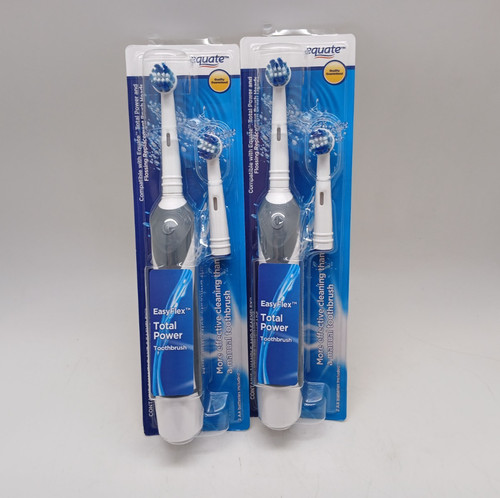
| The basic battery-powered option | 6,000–10,000 oscillations/min | $15–$40 (initial), $3–$8 per head | 2-minute timer (built-in) | First-time users, basic automation | Battery changes, minimal features |
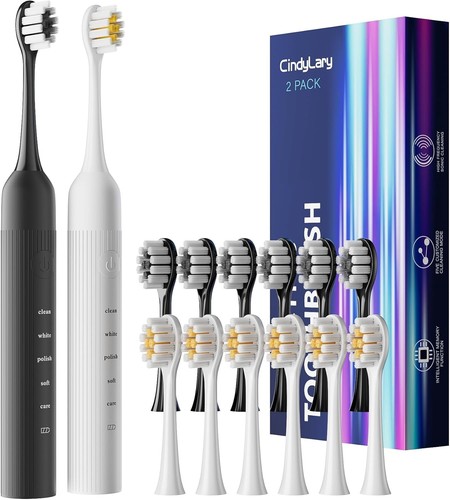
| The rechargeable sonic pick | 30,000–40,000 vibrations/min | $40–$100 (initial), $5–$12 per head | 2-minute timer, 30-sec quadrant alerts | People with braces, plaque-prone areas | Charging required, higher cost |
| The feature-heavy smart choice | Multiple modes, pressure sensors | $100–$250+ | App-based tracking, custom timers | Tech enthusiasts, those needing feedback | Learning curve, expensive heads |
Why Technique Still Matters More Than Technology
No toothbrush — electric or manual — will compensate for rushing, using too much pressure, or skipping areas. Dental professionals consistently stress technique: using small, circular motions and angling the bristles at 45 degrees to the gumline. Electric toothbrushes help by automating motion and often include built-in timers and pressure sensors (usually calibrated to detect force above 150–200 grams). But even with these features, you need to move the brush head along every surface and avoid “scrubbing” aggressively.
Manual brushes put all the responsibility on you. If you already brush for a full two minutes, cover all quadrants, and replace your brush every 3–4 months, a manual brush can be just as effective for many people. But surveys show most adults brush for just 45–70 seconds — far short of what’s recommended. Electric toothbrushes can make it easier to stick to the right duration and pressure, especially for children or those with dexterity issues.
Do Electric Toothbrushes Actually Protect Your Gums?
One underappreciated advantage of many electric toothbrushes: pressure sensors and consistent motion can reduce the risk of gum abrasion. Overbrushing — applying more than 200 grams of force — can erode enamel and damage gum tissue. Manual brushing, especially with hard-bristled brushes, is a major culprit. Most electric models use soft or extra-soft bristles (typically 0.15–0.18 mm filament diameter) and automatically reduce speed or alert you if you press too hard.
However, it’s still possible to cause harm by “sawing” with the brush or using worn-out bristles. Always replace heads or brushes every 3 months, or sooner if the bristles are splayed. For people with sensitive gums or a history of recession, choosing a brush with a pressure sensor and soft bristles — whether manual or electric — is non-negotiable.
Battery Life, Maintenance, and the Hidden Costs
Manual toothbrushes are simple: rinse, dry, and replace every few months. Electric toothbrushes, on the other hand, introduce new variables. Entry-level battery-powered models usually run on AA or AAA batteries, lasting 1–3 months per change. Rechargeable models typically offer 7–21 days per charge, depending on battery size (600–1,200 mAh is common) and brushing frequency. Some high-end units promise up to 30 days, but real-world use is usually less if you brush longer or use multiple modes.
Replacement brush heads cost $3–$12 each, depending on design and bundle size. Over a year, electric models can cost $30–$60 in heads alone — a detail that catches many first-time buyers off guard. Chargers, travel cases, and app connectivity add further complexity and potential for lost or broken accessories. If you value absolute simplicity, manual brushes still win on maintenance.
Travel, Accessibility, and Everyday Practicalities
Manual toothbrushes are nearly indestructible, weigh under 20 grams, and fit anywhere. They never need charging or adapters. For travel, camping, or backup use, nothing beats a manual brush. Electric toothbrushes — even compact models — are bulkier (typically 90–150 grams with head), require charging or spare batteries, and may not be allowed in carry-on luggage with lithium batteries on some airlines.
For people with arthritis, limited grip strength, or neurological conditions, electric toothbrushes can be a game-changer. The automated motion reduces the need for fine motor control. Some designs offer oversized grips (25–30 mm diameter) or rubberized handles for easier holding. If accessibility is a priority, this is one area where electric options clearly outperform manual brushes.
Related Guides
- How to Choose Electric Toothbrushes: A Practical Guide
- Top Electric Nail Files Worth Trying for Salon-Quality Results at Home
- Electric Nasal Irrigators That Actually Work: A No-Nonsense Guide
- Electric Eye Massager Benefits: What Science and Users Reveal
- Electric Scalp Massagers That Are Actually Worth Buying
- Browse all Device Comparisons →
What Specs Actually Matter (and Which Are Just Marketing)
Ignore the marketing hype about “diamond-shaped bristles” or “3D cleaning action.” What you should really look for:
- Stroke or oscillation speed: 6,000–10,000 per minute is typical for entry-level; 30,000–40,000 for sonic models. Higher speeds may remove more plaque but can feel harsh if you have sensitive teeth.
- Pressure sensor: Should activate at 150–200 grams of force. Manual brushes never have this, but some electrics alert you with a light or vibration.
- Timer and quadrant pacing: Built-in 2-minute timers and 30-second alerts help ensure even cleaning. This is standard in most electric models above $30.
- Bristle softness: Always choose soft or extra-soft bristles (0.15–0.18 mm filament diameter). Hard bristles increase abrasion risk, regardless of brush type.
- Head replacement frequency: Electric heads and manual brushes should both be swapped every 3 months or sooner if bristles splay — no exceptions.
Features like Bluetooth, app integration, or multiple cleaning modes (e.g., “whitening,” “sensitive”) are nice-to-haves but don’t guarantee better cleaning. Prioritize core specs over extras, unless you’re specifically motivated by tracking or gamification features.
Check current pricesCommon Mistakes That Undermine Your Toothbrush Choice
Switching to an electric toothbrush and brushing harder is a classic error — let the brush do the work, and guide it gently along each tooth. Another common pitfall: buying a high-end electric model, then failing to replace the head often enough. Worn bristles can’t clean properly and may even harbor bacteria.
With manual brushes, the biggest mistake is rushing: most people brush less than half the recommended time. Using a kitchen timer or playing a 2-minute song can help. Finally, whether you choose manual or electric, always store your brush upright and let it air dry — closed containers can encourage mold growth.
View optionsWho Should (and Shouldn’t) Choose Each Option
Electric toothbrushes make a noticeable difference for anyone with braces, dental implants, a history of gum disease, or dexterity challenges. Children, teens with orthodontic appliances, and older adults with arthritis often benefit most from the automation and feedback features.
Manual toothbrushes remain a solid choice for travelers, minimalists, and budget-focused shoppers. If you have excellent brushing habits, healthy gums, and no special needs, a well-chosen manual brush can perform just as well — provided you’re honest about your technique and brushing time.
Compare today’s dealsNeed it this week? Amazon’s selection of new units is hard to beat for shipping speed.
Compare Options on Amazon →FAQ: Electric Toothbrushes vs Regular (Manual) Toothbrushes
Are electric toothbrushes better at removing plaque than manual brushes?
Studies consistently show that electric toothbrushes remove more plaque — about 20% more on average after several weeks — especially in hard-to-reach areas. However, the difference depends on your brushing technique and duration; a careful manual brusher can achieve similar results.
Do electric toothbrushes reduce gum disease risk?
They can help, mainly by encouraging longer and gentler brushing. Pressure sensors and timers make it easier to avoid overbrushing and missing spots, which lowers your risk of gum inflammation and recession compared to manual brushing for too short or with too much force.
How often should I replace electric brush heads or manual brushes?
Every 3 months is the standard recommendation, or sooner if bristles splay or discolor. Worn bristles are less effective at cleaning and can irritate gums. This rule applies to both electric heads and manual brushes.
Is it worth paying extra for app-connected or high-end electric toothbrushes?
App features and extra modes can help if you’re motivated by data or want coaching on technique. For most people, the core benefits come from the motion and built-in timer; advanced features are optional, not essential for good oral health.
Can children use electric toothbrushes safely?
Yes, as long as the brush is age-appropriate (many manufacturers offer smaller heads and softer bristles for kids) and children are supervised. Electric models can help kids brush for the full two minutes and reach difficult spots, especially with orthodontic appliances.
What’s the total yearly cost difference between electric and manual toothbrushes?
Manual brushes typically cost $4–$12 per year (replacing every 3 months). Electric toothbrushes average $30–$60 per year in replacement heads, plus initial device costs ($15–$250+). Over five years, expect electric brushes to cost at least 5–10 times more than manual options.
Are soft bristles always better, or does it depend on the brush type?
Soft or extra-soft bristles (0.15–0.18 mm diameter) are recommended for both manual and electric toothbrushes. Hard bristles increase the risk of gum abrasion and enamel wear, regardless of brush type. If you have sensitive gums or a history of recession, soft bristles are a must.
How long does a typical rechargeable electric toothbrush last before needing replacement?
Most rechargeable electric toothbrushes last 3–7 years, depending on build quality and battery type (NiMH or lithium-ion). Battery performance may gradually decline, resulting in shorter run times between charges. Replacement heads are widely available, but if the motor weakens or the battery fails to hold a charge, it’s usually more practical to replace the entire device.
Do travel-sized electric toothbrushes work as well as full-size models?
Travel-sized electric toothbrushes are more compact and lighter (often under 60 grams), but may offer lower stroke speeds (typically 10,000–16,000/min) and fewer features. For short trips, they’re a practical upgrade from manual brushes, but for daily use, full-size models with higher oscillation rates and pressure sensors provide a more thorough clean.
The Bottom Line: Which Toothbrush Should You Actually Use?
If you want the highest odds of consistent, thorough brushing — especially if you struggle with technique, have dental work, or need a nudge to brush longer — an electric toothbrush is a smart investment. But if you’re disciplined, travel often, or want maximum simplicity, a well-chosen soft-bristled manual brush still gets the job done. The best toothbrush is the one you’ll use correctly, every single day. Choose based on your habits, needs, and willingness to stick with your routine — not just the promise of new technology.
Related Guides