Disclosure: As an Amazon Associate and eBay Partner Network publisher, we earn from qualifying purchases. This doesn’t affect what we recommend or how we describe it.
9 min read
The most important difference between breast pumps and hand expressing isn’t speed, comfort, or even how much milk you can get. It’s about control—over timing, sensation, and how your body responds. For some, a pump is a lifeline that fits into a rigid schedule. For others, hand expressing offers a level of flexibility and gentleness that no machine can match. If you’re weighing these two options, you’re probably not just looking for a technical comparison—you want to know what actually works in real, unpredictable life. For more detail, see NHS: Expressing breast milk.
What Sets Hand Expressing and Breast Pumping Apart—Beyond the Basics
At first glance, both methods aim for the same result: removing milk from your breasts when your baby can’t or won’t nurse directly. But the mechanics, the experience, and the results can be surprisingly different. Hand expressing relies on your own fingers to compress and release the milk ducts, mimicking a baby’s suck in a far more nuanced way than even the most advanced pump. It requires no equipment, no power, and no setup time.
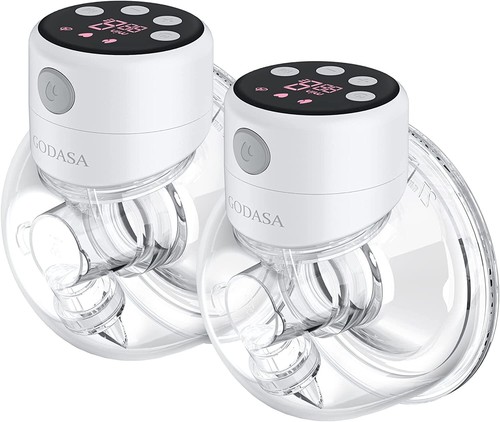
Breast pumps—whether manual or electric—use suction and rhythmic motion to draw milk out through a flange. Modern pumps can cycle at rates of 30–60 cycles per minute, with vacuum strengths typically adjustable from 60 to 250 mmHg. They can express from one or both breasts simultaneously, and some even track volume digitally. But all pumps, no matter how sophisticated, introduce a layer of mechanical mediation between you and your milk.
Looking for the current generation with manufacturer warranty intact? Amazon’s new stock is the safest bet.
Browse on Amazon →How the Options Compare: Real-World Criteria
| Decision Factor | Hand Expressing | Manual Pump | Electric Pump |
|---|---|---|---|
| Typical Milk Yield (per 15 min/side) | 30–90 mL | 40–120 mL | 60–200 mL |
| Time to Empty Breasts | 10–25 min (varies by skill) | 10–20 min | 8–15 min (double pumping) |
| Equipment Needed | None | Manual pump + bottle | Pump, flanges, tubing, power/batteries, bottles |
| Noise Level | Silent | 30–50 dB (manual squeeze) | 40–65 dB (motor) |
| Cost Range (USD) | $0 | $20–$60 | $80–$400+ |
| Portability | Ultimate—anywhere, no parts | Fits in bag, no power needed | Bulky, needs power or charged battery |
| Cleaning Required | None | 1–2 parts | 4–7 parts |
| Best For | Occasional use, travel, sensitive nipples | Low-tech backup, infrequent pumping | Regular/working pumpers, boosting supply |
Why Milk Output Varies So Much
It’s tempting to assume that pumps always extract more milk than hand expressing, but research doesn’t back this up for everyone. In clinical studies, hand expression can yield 30–90 mL per session per side, but skilled users can sometimes match or even exceed pump output, especially in the first few days after birth. Electric pumps, especially double models, usually win for sheer volume—some can deliver 150–200 mL in 15 minutes if your supply is well established. Manual pumps fall in the middle, depending on your rhythm and hand strength.
But yield isn’t just about the device. Hormones like oxytocin, stress level, and breast fullness play a massive role. Some people find that physical touch (as in hand expression) triggers letdown faster than a pump’s suction ever does. Others need the hands-free efficiency of a pump, especially if returning to work or trying to build a freezer stash.
Compare today’s dealsComfort: It’s Not Just About Suction Strength
Hand expressing gives you total control over pressure, speed, and angle—meaning you can adjust instantly if you feel discomfort or tenderness. This is especially helpful for sensitive nipples, engorgement, or blocked ducts, where even the lowest pump setting may still be too intense. There’s no hard plastic flange pressing into your skin, and you can avoid direct friction on sore spots.
Pumps—manual or electric—apply consistent suction, which can be efficient but sometimes feels unnatural. Electric pumps can be adjusted (typically in 2–10 levels, from 60–250 mmHg), but some users never quite find a “just right” setting. Flange fit is another critical factor: most pumps come with 24–27 mm flanges, but the optimal size for comfort and milk flow can range from 17 mm to 32 mm. Using the wrong size can cause pain or reduce yield, a common pitfall for first-time pumpers.
When Speed Matters—and When It Doesn’t
If you need to express milk quickly and frequently (for example, when returning to work or exclusively pumping), electric pumps have a clear edge. Double pumping can halve the time you spend—most can fully empty both breasts in 8–15 minutes. Manual pumps are slower but still faster than hand expressing for most people, especially with practice.
Hand expression is inherently slower and more variable. For some, it takes 20–25 minutes to get a full feed’s worth of milk; others master it and can express efficiently in 10 minutes. For occasional use, travel, or relieving engorgement, the slower pace may not matter. But if you’re on a strict schedule, hand expressing can be a dealbreaker.
Related Guides
- Mouth Guards for Teeth Grinding: What to Know Before You Buy
- Our guide to How to Clean Fitness Mats: Tips for a Germ-Free Workout Space
- Electric Facial Cleansing Brushes That Are Worth Adding to Your Routine
- Our guide to How to Charge an Electric Heating Pad: A Step-by-Step Guide
- Water Flosser vs Dental Pick: Which Cleans Better?
- Browse all Device Comparisons →
- How to Choose a Breast Pump: A Practical Guide for New Parents
What Clinical Research Actually Says About Effectiveness
Clinical studies comparing hand expression and pumping often focus on the first few days after birth, when colostrum is thick and volumes are low. In this setting, hand expression is often more effective: a landmark study published in the Journal of Perinatology found that mothers who hand expressed in the first 3 days produced significantly more milk by day 8 than those who only used a pump. The theory is that the tactile stimulation and flexibility of hand expression are better for activating the milk ejection reflex early on.
For ongoing milk removal, especially after milk “comes in,” pumps tend to pull ahead in both yield and time efficiency. However, combining both methods—using hand expression after pumping—can boost total yield by 10–30%, especially if you’re struggling with output or have a premature baby in the NICU. This is a technique many lactation consultants recommend, but it does require time and practice.
View optionsCommon Mistakes (and How to Avoid Them)
- Using the wrong flange size: Most pumps ship with a 24 mm flange, but a poor fit can cause pain or reduce milk flow. Measure your nipple diameter (not areola) and add 1–2 mm for best results.
- Expecting instant results: Both hand expression and pumping can require several minutes to trigger letdown, especially if you’re stressed or rushed. Warm compresses and gentle breast massage can help.
- Not switching methods when needed: If you’re getting little milk from a pump, try hand expressing after or in place of pumping—especially for colostrum or when dealing with engorgement.
- Neglecting cleaning: Even manual pumps have parts that need thorough cleaning between sessions. Hand expressing sidesteps this, but always wash hands thoroughly first.
Who Should Consider Hand Expressing as a Primary Method?
If you only need to express occasionally—for comfort, to relieve engorgement, or to leave an occasional bottle—hand expressing is often the simplest and least intrusive method. It’s also ideal for the first few days after birth, when colostrum is thick and sticky and may not flow well through a pump. If you have very sensitive nipples or a history of pumping discomfort, hand expressing lets you control every variable.
Hand expressing is also invaluable as a backup when traveling, during power outages, or if your pump malfunctions. There are no parts to lose, no batteries to charge, and no noise to wake a sleeping baby.
See what’s availableWhen a Pump Is the Better Choice
If you plan to return to work, exclusively pump, or need to express multiple times a day, a pump—especially a double electric model—will save you hours over time. Consistent suction and hands-free options make it possible to multitask or even pump discreetly at your desk. For some with low supply or specific medical needs (such as a premature baby in the NICU), hospital-grade pumps are the only way to maintain or boost milk production efficiently.
Manual pumps are a middle ground: affordable, portable, and quiet, but still faster and less tiring than hand expressing for most. They’re a solid backup for travel or the occasional bottle, but not ideal for high-frequency use.
Practical Tips for Mastering Both Methods
- Hand expressing: Use a C-hold (thumb on top, fingers below the areola), compress gently, and release rhythmically. Rotate around the breast to access all ducts. Catch milk in a wide-mouthed container for less mess.
- Pumping: Start with low suction and increase only as tolerated. If using an electric pump, experiment with cycle speed (some users get best results at 40–50 cycles per minute). Always check flange fit—if your nipple rubs or blanches, try a different size.
- Combining both: Pump first, then hand express to get remaining milk. This “finish-off” approach is particularly effective if you’re trying to boost supply or fully empty the breasts.
Looking for the current generation with manufacturer warranty intact? Amazon’s new stock is the safest bet.
Compare Options on Amazon →Frequently Asked Questions
Is hand expressing as effective as using a breast pump?
For some, especially in the first few days after birth, hand expressing can be as effective—or even more so—than pumping. Over time, pumps tend to remove more milk per session, but skilled hand expression can match pump output for many people, particularly with practice and proper technique.
How long does it take to hand express compared to pumping?
Hand expressing typically takes 10–25 minutes per session, depending on skill and how much milk you need. Electric pumps can halve this time, especially if double pumping—many users finish in 8–15 minutes. Manual pumps are somewhere in between.
Does hand expressing hurt less than pumping?
Many find hand expressing gentler, as you control the pressure, rhythm, and location. Pumps can cause discomfort if the flange size is wrong or suction is too high. However, both methods can be comfortable with proper technique and fit.
Can I use both methods together?
Yes. Many people pump first and then hand express to fully empty the breasts or boost yield. This combination is particularly helpful if you’re struggling with output or need to maximize milk removal for a premature baby.
Is one method better for relieving engorgement or blocked ducts?
Hand expressing is often preferred for engorgement or blocked ducts because you can target specific areas and adjust pressure instantly. Pumps may not drain all parts of the breast evenly, especially if ducts are clogged.
Do I need to sterilize anything when hand expressing?
Unlike pumping, hand expressing requires no pump parts to clean. You should always wash your hands thoroughly before starting, and use a clean, sterilized container to collect milk if you plan to store it for later use.
The Takeaway: What Actually Works in the Real World
If you want maximum convenience, portability, and control, learn to hand express—even if you own a pump. For high-frequency or hands-free use, a pump is an investment that pays off in time saved. But the best answer isn’t always either/or: most people benefit from knowing both methods and switching as needs change. The right approach is the one you’ll actually use, consistently, when it matters most.