Disclosure: As an Amazon Associate and eBay Partner Network publisher, we earn from qualifying purchases. This doesn’t affect what we recommend or how we describe it.
8 min read
The fastest way to waste money on a breast pump is to buy based on looks, price, or brand recognition alone. The real decision comes down to how you’ll use it day-to-day: how often you’ll pump, where you’ll be, what your pain threshold is, and how much you care about cleaning and noise. These factors—more than suction strength or “hospital grade” marketing—determine whether a pump will empower you or end up gathering dust.
Why Pumping Needs Are So Individual
No two pumping journeys are alike. Some parents need to pump exclusively for months. Others only need to supplement feeding occasionally, or want a backup for travel. Your work schedule, milk supply, and even your home’s electrical outlets shape what “best” means for you. That’s why breast pumps come in so many forms: double electric, single electric, wearable, manual, and even hands-free options—each with unique strengths and trade-offs.
Want to see what’s on the shelves right now? Check current selection →
What Actually Affects Pumping Efficiency?
Pumping isn’t just about suction. The speed and rhythm of a pump’s cycles matter as much as raw strength. Most electric pumps cycle between 30–60 times per minute, mimicking a baby’s natural suck—and pumps that let you adjust both the cycle speed (measured in cycles per minute, or cpm) and suction strength (in mmHg) allow for a more customized, comfortable experience.
Comfort is critical. Too much suction can cause pain, bruising, or even damage to breast tissue, while too little may not stimulate letdown. Pumps typically offer suction levels ranging from 50 up to 320 mmHg, but most people find effective expression in the 100–250 mmHg range. More isn’t always better—look for pumps with fine-tuned controls, not just high max numbers.
How the Main Pump Types Stack Up
With dozens of designs on the market, the fastest way to narrow your options is by pump type. Here’s how the major categories compare in real-world use.
| Buying Profile | Pumping Frequency | Portability | Noise Level (dB) | Cleaning Effort | Typical Price Range |
|---|---|---|---|---|---|
| Double electric (full-size) | Multiple times daily | Bulky, corded or large battery | 50–60 dB | 4–6 parts per side | $$–$$$ |
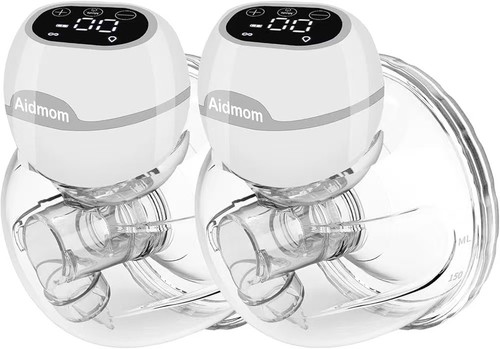
| Wearable/hands-free | Frequent, on-the-go | Fits in bra, fully portable | 40–55 dB | 2–4 parts per side | $$$–$$$$ |
| Compact single electric | Occasional or travel | Palm-sized, USB or battery | 45–55 dB | 3–5 parts | $–$$ |
| Manual | Rare or emergency | Pocket-sized, no power | Silent | 2–3 parts | $ |
Common Mistakes That Lead to Poor Pumping Experiences
The most frequent source of disappointment with breast pumps isn’t lack of suction—it’s a mismatch between your real-life needs and the pump’s capabilities. Here’s where buyers often go wrong:
- Choosing based on “hospital grade” claims: This isn’t a regulated term. Some pumps marketed as “hospital grade” are simply on the higher end of consumer suction (up to 320 mmHg), but that doesn’t guarantee durability or comfort for exclusive pumpers.
- Ignoring flange size: Using the wrong flange (the breast shield that fits around your nipple) is the fastest way to cause pain and poor milk output. Flange sizes typically range from 21–30 mm (measured at the nipple base), and many pumps ship with only one or two sizes. Measure your nipple diameter and check compatibility before you buy.
- Underestimating cleaning: Pumps with more detachable parts (valves, membranes, connectors) take longer to clean—sometimes 10–15 minutes per session. If you’ll be pumping at work or several times daily, look for models with fewer, dishwasher-safe components.
- Overlooking noise and portability: Full-size pumps can be as loud as a normal conversation (50–60 dB), which may matter in shared spaces or at night. Wearable and compact pumps are quieter but may sacrifice suction range or battery life.
Related Guides
- Breast Pump vs Hand Expressing: Which Should You Choose?
- Adjustable Foot Stools for Seniors: How to Choose the Right One
- How to Choose a Menstrual Cup: A Practical Guide for First-Time Buyers
- EMS Device vs TENS: Which Should You Choose?
- Pulse Ox vs SpO2: Which Should You Choose?
- Browse all Educational Guides →
Specs That Actually Matter (And Which Ones Don’t)
When comparing pumps, ignore flashy marketing and focus on these quantifiable features:
- Suction range (mmHg): Look for adjustable suction, ideally between 100–250 mmHg. Pumps offering only a single setting often feel either too weak or too harsh.
- Cycle speed (cpm): Adjustable speed (30–60 cpm) lets you fine-tune stimulation for letdown and expression phases. Some pumps have a pre-programmed “letdown” mode that automatically switches after 1–2 minutes.
- Flange size options: Pumps that include multiple flange sizes (or let you easily buy alternatives) reduce the risk of pain and allow for anatomical differences.
- Battery life: For portables, expect 2–4 sessions per charge (roughly 60–120 minutes of use), while some wearables last up to 5 sessions. If you’ll be away from outlets, prioritize battery capacity and USB charging.
- Noise level: Anything below 45 dB is considered whisper-quiet; 50–60 dB is typical for standard electrics. If you plan to pump at night or in meetings, this matters.
- Cleaning complexity: Fewer parts (ideally under 5 per side) make cleaning and reassembly less of a chore—especially if they’re dishwasher-safe and boilable.
Specs that are less meaningful: “hospital grade” claims, included accessories, and brand reputation. Focus on features that affect daily use.
Use-Case Scenarios: Matching Pump Type to Lifestyle
What works for a stay-at-home exclusive pumper is very different from what a commuter or occasional user needs. Here’s how the main profiles break down:
- Exclusive, frequent pumpers: Double electric pumps with high adjustability, comfortable flanges, and large collection bottles (5–8 oz per side) are essential. Prioritize reliability and cleaning features over portability.
- On-the-go, multitasking: Wearable or hands-free pumps are game-changers, fitting inside a standard bra and allowing discreet pumping while working or moving. Expect to sacrifice some suction range for mobility and silence.
- Occasional/backup users: Manual or compact single electrics work well for travel, emergencies, or occasional separation. They’re silent, ultra-portable, and cheap—but not ideal for daily exclusive use.
- Night pumping: Low-noise, backlit controls, and one-handed operation matter most. Some pumps have night-light features and memory settings to reduce fumbling in the dark.
Still undecided? See what’s available and filter by your top priorities.
How to Size Flanges Correctly (And Why Most People Get It Wrong)
Flange size is not one-size-fits-all. The right fit prevents pain, cracking, and low milk output. Here’s how to measure:
- Use a ruler or measuring tape to measure the diameter of your nipple (not the areola) in millimeters.
- Add 2–3 mm to your measurement for comfort. For example, a 17 mm nipple usually fits a 19–21 mm flange.
- If your pump doesn’t offer your size, check for third-party adapters that fit your model.
Signs of a poor fit: nipple rubbing, blanching (whitening), or excess areola being pulled into the flange. If you experience any of these, try a different size. Many pumps include only 24–27 mm flanges by default, which are often too large for most users.
Want to compare options with different flange sizes? Check current prices and see which models include multiple shields.
Cleaning and Hygiene: What’s Realistic
Every pump needs to be cleaned after each use—especially if you’re storing milk for later. Manual and wearable pumps often have fewer parts (2–4 per side), while double electrics can have up to 6 per side. Dishwasher-safe and boilable parts save time, but check the manual: some membranes and valves degrade quickly with harsh cleaning. For work or travel, consider bringing extra sets to avoid washing between sessions.
Some pumps now offer closed systems with backflow protectors, which reduce the risk of milk entering the tubing. This is a real advantage for hygiene and longevity—especially if you plan to use or sell the pump long-term.
Noise, Discretion, and Battery Life: Real-World Trade-Offs
Noise matters more than you might think. While most double electrics operate at 50–60 dB (about the level of a normal conversation), wearables and singles can dip as low as 40 dB. If you need to pump in a shared office, car, or at night, prioritize noise specs in the 40–50 dB range. For battery life, expect 2–5 sessions per charge on portables. Many pumps now support USB charging, but check if adapters are included.
Want to see the quietest and most portable options? View options and sort by decibel ratings and battery specs.
FAQs: Real Questions About Choosing a Breast Pump
How do I know if I need a double or single pump?
Double pumps allow you to express milk from both breasts simultaneously, cutting pumping time in half and often increasing output. If you plan to pump frequently or return to work, a double pump is usually worth it. Single pumps suit occasional or travel use, but can be inefficient for daily needs.
Is a manual pump enough for exclusive pumping?
Manual pumps are best for occasional or emergency use. They require hand power and can be tiring for frequent sessions. For exclusive pumping (multiple times daily), an electric model with adjustable suction and cycle speed is far more efficient and comfortable.
What is a “closed system” and why does it matter?
A closed system pump uses barriers or backflow protectors to prevent milk from entering the tubing and motor, reducing contamination risk. This is especially important if you plan to share, resell, or use your pump for multiple children, as it’s easier to keep parts hygienic.
Can I use a breast pump with different flange sizes?
Yes, but not all pumps include multiple flange sizes in the box. Check compatibility before buying; many brands sell separate flange kits or adapters. Using the correct flange size is critical for comfort and milk output.
How loud are most breast pumps?
Standard double electric pumps produce 50–60 dB of noise (similar to a conversation). Wearable and compact models are quieter, often 40–50 dB. Manual pumps are silent, making them ideal for night or discreet use.
Are wearable pumps as effective as traditional double electrics?
Wearable pumps offer unmatched freedom of movement but may have lower suction ranges and smaller collection bottles. They’re ideal for multitasking and discreet use, but frequent exclusive pumpers may find traditional doubles more efficient for output and comfort.
How often do pump parts need to be replaced?
Valves and membranes typically need replacing every 1–3 months with regular use, as they can lose suction over time. Tubing and bottles last longer but should be replaced if cracked or discolored. Always follow the manufacturer’s guidelines for safety and hygiene.
The Bottom Line: Don’t Buy on Hype—Buy for Real Life
Choosing a breast pump isn’t about picking the flashiest or most expensive option. It’s about matching your real-world needs—frequency, portability, comfort, noise, and cleaning—to what each pump type actually delivers. Ignore “hospital grade” claims and focus on specs that matter, especially suction range, cycle speed, flange fit, and cleaning complexity. The right pump is the one you’ll actually use, day in and day out. Prioritize your lifestyle, and you’ll make a decision that pays off in both comfort and confidence.