Disclosure: As an Amazon Associate and eBay Partner Network publisher, we earn from qualifying purchases. This doesn’t affect what we recommend or how we describe it.
9 min read
Most foot massagers on the market promise relief for tired feet, but neuropathy is a different challenge: you’re dealing with nerve pain, numbness, or tingling that ordinary vibration simply won’t address. The most effective foot massagers for neuropathy aren’t the same as what works for sore muscles or plantar fasciitis. The right choice depends on three things: the type of stimulation (compression, heat, shiatsu, or TENS), the intensity range, and how precisely you can control those settings. If you only look at “customer favorites” or basic features, you’ll miss what actually makes a difference for neuropathic pain. For more detail, see Peripheral Neuropathy overview.
What Actually Matters for Neuropathy Relief
Neuropathy isn’t just general foot discomfort. It’s a clinical term for nerve dysfunction, often causing burning, stabbing, or numb sensations—usually in both feet. Diabetes, chemotherapy, and certain autoimmune disorders are common causes. Because the root issue is nerves, not just muscles, the massager needs to do more than knead or vibrate. Here’s what research and user experience show actually matters: For more detail, see FDA Medical Devices section.
- Stimulation type: Deep kneading (shiatsu), air compression, and low-frequency vibration can all help, but in different ways. Shiatsu and compression promote circulation, while TENS (transcutaneous electrical nerve stimulation) targets nerve signals directly.
- Intensity range: Neuropathic feet are often sensitive. Look for devices with at least three intensity levels, ideally more, and a lowest setting gentle enough not to trigger pain.
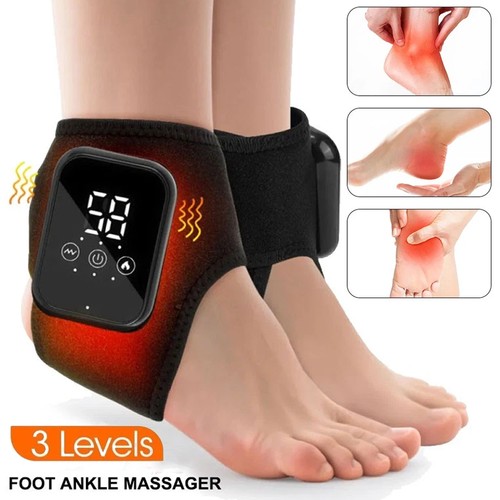
- Heat function: Localized heat (ideally 104-120°F) can improve blood flow and reduce discomfort. Some users find heat essential, others can’t tolerate it—adjustability is key.
- Customizability: You want independent controls for heat, massage, and compression, not just an “all on/all off” button. This matters more for neuropathy than for general relaxation.
- Foot coverage: For neuropathy, full-foot coverage (toes, ball, arch, heel) is more effective than targeted rollers or heel-only designs.
Standard “deep tissue” models can actually be too intense for neuropathy, especially if you have numbness plus hypersensitivity. On the other hand, ultra-basic models often don’t reach deep enough to make a difference.
If you want the newest model, free returns, and quick shipping, Amazon is the easiest place to compare.
See on Amazon →How the Options Compare: Table of Key Differences
| Profile | Stimulation Type | Intensity Levels | Heat Range (°F) | Foot Size Max | Noise Level (dB) | Best For |
|---|---|---|---|---|---|---|
| Full-coverage shiatsu + compression | Kneading, Air Compression, Heat | 3-5 | 104-118 | Up to men’s 13 | 45-55 | Circulation, full-foot pain, moderate sensitivity |
| Gentle vibration with TENS | Vibration, TENS, Adjustable Heat | 5-10 | 95-115 | Up to men’s 12 | 40-48 | High sensitivity, nerve pain, numbness |
| Budget air compression only | Air Compression, Minimal Heat | 2-3 | None or 100-105 | Up to men’s 11 | 50-60 | Swelling, mild neuropathy, budget shoppers |
| Heated shiatsu rollers (no compression) | Kneading, Heat | 2-4 | 108-120 | Up to men’s 13 | 48-55 | Deep massage, less nerve sensitivity |
| Open-design TENS foot pads | TENS, Vibration (optional) | 10-20 | None | N/A (pads only) | Silent | Severe sensitivity, adjustable nerve stimulation |
Why Most Foot Massagers Disappoint for Neuropathy
Most foot massagers are built for muscle tension or plantar fasciitis, not nerve issues. The typical “roller” or “shiatsu” model uses hard plastic nodes and a single motor, delivering firm pressure that can be intolerable for neuropathic feet. Many lack true adjustability—“low” is often still too strong, and there’s no way to separate heat from massage.
Compression-only models (using air bladders to squeeze the foot) can help with circulation, but if the inflation cycle is too fast or the pressure is poorly distributed, they can trigger pain or leave the toes untouched. Vibration-only pads are often too weak to make a difference, while TENS units marketed for feet rarely include the clinical-level adjustability found in medical devices (look for at least 10 intensity steps and a frequency range of 1-120Hz).
In short: most “best foot massager” lists ignore these distinctions, so users with neuropathy end up with devices that collect dust or even worsen their symptoms.
How to Choose: Match Profile to Your Symptoms
Not all neuropathy feels the same. For burning, tingling, or numbness, gentle stimulation—like low-frequency vibration or TENS—can help disrupt abnormal nerve signals. For cold, achy, or swollen feet, compression and heat are often more effective. Here’s how to match a device profile to your experience:
- Severe sensitivity or allodynia (pain from light touch): Lean toward TENS foot pads with a wide range of gentle, customizable programs. Avoid hard rollers or intense kneading.
- Numbness with swelling: Air compression models (cuff or boot style), ideally with adjustable inflation time and foot coverage extending to the toes.
- Mixed pain and stiffness: Full-coverage shiatsu + compression models, but only those with true independent controls and a gentle “starter” setting.
- Primarily cold or poor circulation: Devices with heat that reaches at least 110°F (but not above 120°F for safety), with the option to use heat alone.
- Budget-conscious or first-time buyers: Compression-only or entry-level vibration pads can still help, but expect fewer settings and less targeted relief.
Always check for a return window and avoid “one size fits all” claims—neuropathy is highly individual.
Related Guides
- Adjustable Foot Stools for Seniors: How to Choose the Right One
- What Are the Best Foot Pads and Do They Really Work?
- Electric Scalp Massagers That Are Actually Worth Buying
- Percussion Massagers That Are Worth Your Money
- Best Neck Massagers 2026: Our Top Picks
- Browse all Buying Guides →
- Our guide to Nootropics for Getting Out of a “Stuck in My Head” State: What Works?
Specs That Actually Matter (and the Numbers to Look For)
Most product listings bury the real specs under generic buzzwords. Here’s what to look for, and why each matters for neuropathy:
- Intensity steps: At least three, ideally five or more. Look for clear documentation (e.g., “levels 1-5”, not just “low/medium/high”).
- Heat range: 104°F (40°C) is the minimum for noticeable warmth; 118°F (48°C) is a safe upper limit. Too hot can worsen nerve pain or cause burns in numb feet.
- Foot size accommodation: Many devices max out at men’s size 11-12. If you have larger feet, check the internal length (at least 12.5 inches for men’s 13).
- Noise level: 40-55dB is typical. Over 60dB can be distracting, especially for long sessions.
- TENS frequency: For devices with electrical stimulation, a range of 1-120Hz is ideal for customizing relief. Cheap units often max out at 50Hz or have no frequency control.
- Session timer: 15-30 minutes is standard. Auto shut-off is essential for safety, especially if you have reduced sensation.
Don’t be swayed by “infrared” or “3D” marketing unless the device lists real specs—these terms are often meaningless for nerve pain.
Common Mistakes and How to Avoid Them
Even well-rated massagers can disappoint if you choose based on the wrong criteria. Here are the pitfalls I see most often:
- Assuming more intensity is better: For muscle knots, yes. For neuropathy, too much pressure or vibration can trigger pain flares or skin injury.
- Ignoring foot size limits: A device that’s too small means the arch or toes get no benefit. Always check the stated size range.
- Buying “all-in-one” models with fixed programs: Most neuropathy sufferers need separate control over heat, compression, and massage. Skip units with only a single combined cycle.
- Overlooking return policies: Sensitivity can change day to day. If you can’t return a device after trying it, you’re taking a risk.
- Using heat unsafely: Numb feet may not detect excessive heat, risking burns. Stick to devices with a max temp under 120°F and auto shut-off.
For most, a mid-range device with true customizability and a generous return window is the safest bet. Compare today’s deals to see what fits your needs and budget.
Who Should Consider TENS or Electrical Stimulation?
TENS (transcutaneous electrical nerve stimulation) isn’t just for physical therapy clinics. Some at-home foot massagers now include TENS pads or integrated electrodes, letting you target nerve pain directly. These devices offer the widest adjustability—often 10-20 intensity levels and several pulse patterns.
However, TENS isn’t right for everyone. If you have a pacemaker or other implanted electrical device, or are pregnant, consult a healthcare professional before use. For others, especially those with severe nerve pain or intolerance to mechanical pressure, TENS can be a game-changer. See what’s available if you want to explore this option.
Maintenance and Safety for Sensitive Feet
Neuropathy increases your risk for skin breakdown, burns, and infection. Always inspect your feet before and after each session. Clean the device as instructed—removable liners or wipe-clean surfaces are best. Never use a foot massager if you have open sores, severe swelling, or new numbness unless cleared by your provider.
Set a timer (most units auto shut-off at 15-30 minutes) and never fall asleep with your feet in a massager. If you notice increased pain, redness, or swelling, discontinue use and check with a healthcare professional. View options that prioritize safety features if this is a concern for you.
If you want the newest model, free returns, and quick shipping, Amazon is the easiest place to compare.
Compare Options on Amazon →FAQs: Real Answers for Foot Massager Shoppers with Neuropathy
Can foot massagers actually help with neuropathy pain?
Foot massagers won’t cure neuropathy, but the right model can provide temporary relief from nerve pain, tingling, and numbness. Devices that combine gentle compression, heat, or TENS are most likely to help by promoting circulation and disrupting abnormal nerve signals. Always use in moderation and monitor your skin closely.
What’s the safest intensity for neuropathy?
Start with the lowest possible setting—ideally a device with at least three intensity levels. For most, gentle vibration or light compression (not deep kneading) is safest. Never use a setting that feels painful or causes lingering discomfort, and avoid devices without adjustable intensity.
Is heat safe for numb or insensitive feet?
Heat can improve comfort and circulation, but it must be used cautiously. Choose a device with a maximum heat setting under 120°F and auto shut-off. If your feet are numb, check the skin frequently to avoid burns, and never use heat for more than 20–30 minutes at a time.
How do I clean a foot massager if I have neuropathy?
Look for models with removable and washable liners, or those with wipe-clean surfaces. Clean after each use, especially if you have reduced sensation or are prone to skin infections. Avoid sharing the device with others if you have open sores or compromised skin.
Are TENS foot massagers better than mechanical ones?
TENS foot massagers are best for those with severe nerve sensitivity or pain that isn’t relieved by compression or kneading. Mechanical massagers (shiatsu, compression) are better for circulation and muscle tension. Many people benefit from alternating both types, depending on daily symptoms.
Can I use a foot massager every day if I have neuropathy?
Daily use is generally safe if you monitor your skin and use gentle settings. Limit sessions to 15–30 minutes and avoid using the massager multiple times in one day unless your healthcare provider advises otherwise. Discontinue use if you notice increased pain, redness, or swelling.
Final Take: What’s Worth Your Money?
For neuropathy, the “best” foot massager isn’t the flashiest or priciest—it’s the one with true adjustability, a gentle starting point, and safety features that match your needs. If you have severe sensitivity, prioritize TENS or low-intensity vibration. For swelling and cold feet, look for compression and reliable heat controls. Skip generic “deep tissue” models and avoid anything with only one setting. The right device can make a real difference—but only if it’s tailored to your symptoms, not just your wallet.