7 min read
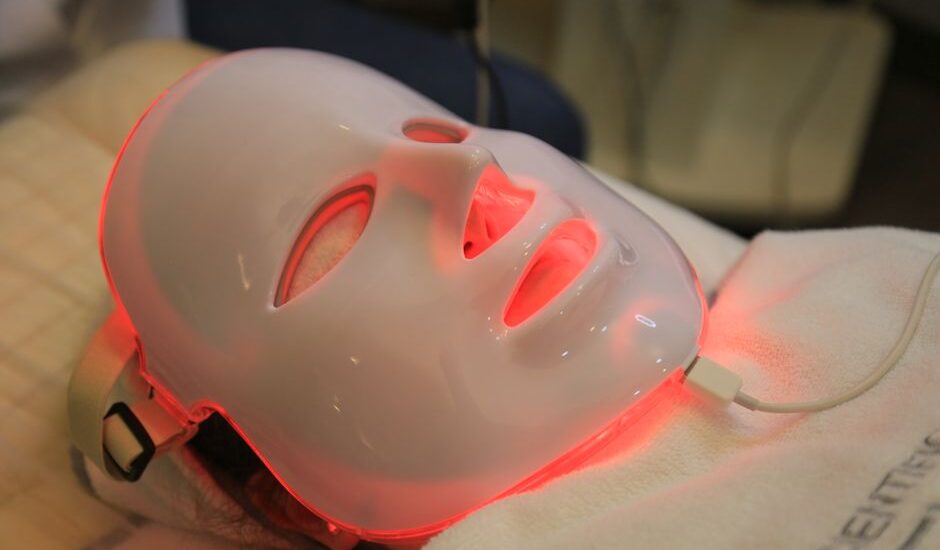
Red light therapy devices aren’t magic wands—they’re engineered tools based on decades of photobiology research, but most buyers never see the numbers and trade-offs shaping what these gadgets actually do. The most important thing you need to know: the effectiveness of any red light therapy device comes down to a handful of technical variables—wavelength, irradiance, treatment area, and session timing. Everything else is window dressing. Understanding how these devices work at a biological and technical level is the only way to cut through marketing hype and choose a device that actually matches your goals. For more detail, see American Academy of Dermatology on red light therapy.
The Science Behind Red Light Therapy: What’s Actually Happening?
Red light therapy, sometimes called low-level light therapy (LLLT) or photobiomodulation, uses visible red and near-infrared (NIR) light to trigger cellular changes in your skin and underlying tissues. The core idea is simple: certain wavelengths of light (typically between 630 and 850 nanometers) penetrate the skin and are absorbed by mitochondria—the “power plants” inside your cells. This absorption increases cellular energy (ATP production), reduces oxidative stress, and can modulate inflammation. The result, according to clinical research, is potential improvement in wound healing, joint pain, skin appearance, and muscle recovery. For more detail, see Wikipedia: Low-level laser therapy.
Not all red light is equal, though. Specific wavelengths matter. Devices using LEDs typically operate at 630nm, 660nm, 810nm, or 850nm—each with slightly different penetration and biological effects. For example, 630–660nm is absorbed more superficially (skin and hair follicles), while 810–850nm penetrates deeper (muscle and joints). The most credible devices cite their wavelength range clearly, and anything outside 600–900nm is unlikely to deliver the effects seen in published trials.
Want to browse what’s available?
Device Anatomy: LEDs, Irradiance, and Treatment Area
Look beyond the marketing gloss, and every red light therapy device boils down to three core technical elements: the type of light emitter (almost always LEDs), the power output (irradiance), and the physical coverage area.
- LED Arrays: The vast majority of home-use devices use arrays of LEDs, not lasers. LEDs are safer, cheaper, and can cover large areas. The number of LEDs matters, but only in combination with other specs.
- Irradiance: This is the power of light delivered per square centimeter, usually measured in mW/cm². Clinical studies typically use 20–100 mW/cm² at the treatment surface. Lower irradiance means longer treatment times or less effect; higher isn’t always better, as too much can be counterproductive (the “biphasic dose response”).
- Treatment Area: Handheld wands might cover 5–15 cm², while large panels can cover your entire back or face. More area means faster sessions for whole-body use, but also higher cost and power demands.
Devices that can’t specify their irradiance (at a given distance) or wavelength range are essentially black boxes—you can’t know if you’re getting a physiologically relevant dose.
Session Timing and Dosage: What Actually Reaches Your Cells?
Every session’s effectiveness depends on how much light energy actually gets absorbed by your tissue. This is a function of irradiance, wavelength, distance from the skin, and exposure time. In published research, effective doses typically fall between 4 and 60 Joules/cm² per session. For a device delivering 30 mW/cm² at the skin, that means a 10-minute session delivers about 18 Joules/cm² (30 mW/cm² × 600 seconds = 18,000 mJ/cm² = 18 J/cm²).
Distance matters: irradiance drops off rapidly as you move further from the device. If a panel claims 100 mW/cm² at 0 cm but you’re sitting 15 cm away, you may only get a fraction of that. Always look for devices that specify irradiance at a clearly defined distance (e.g., “60 mW/cm² at 6 inches”).
Related Guides
- Laser Therapy Devices That Are Actually Worth Buying
- Back Stretcher Devices That Really Work: Our Top Recommendations
- Red Light Therapy Panels for Home Use: What to Know Before You Buy
- Anti-Snoring Devices That Actually Work: Our Top Recommendations
- Best Light Therapy Lamps for Dementia Patients 2026: Our Top Picks
- Browse all Educational Guides →
How the Main Types of Red Light Therapy Devices Compare
Not all devices are created equal—some are best for facial treatments, others for muscle recovery, and others for covering large body areas. Here’s how the main categories stack up by the numbers:
| Buying Profile | Typical Wavelengths (nm) | Irradiance at 6” (mW/cm²) | Treatment Area (cm²) | Session Time (min) | Portability | Best For |
|---|---|---|---|---|---|---|
| Facial panel for skin & beauty | 630–660 | 15–30 | 100–250 | 10–20 | High | Wrinkles, acne, skin tone |
| Handheld wand for spot treatment | 630–850 | 20–40 | 5–15 | 5–10 | Very high | Joint pain, small wounds |
| Large panel for muscle/joint recovery | 660 & 850 | 40–100 | 500–2,000 | 10–15 | Low | Back, legs, whole body |
| Flexible pad or wrap | 630–850 | 15–30 | 50–250 | 10–30 | Medium | Knees, elbows, shoulders |
| Full-body canopy | 660 & 850 | 30–50 | 5,000+ | 10–20 | Very low | Whole-body wellness |
Want to see which type matches your goals and budget?
What Wavelengths and Power Levels Actually Matter for Results?
Wavelength is not just a marketing number; it determines what tissues the light actually reaches. For skin conditions (wrinkles, acne), 630–660nm is most studied. For deeper tissue (muscles, joints, tendons), 810–850nm is preferred. Some devices combine both for broader effects, but mixing wavelengths doesn’t always double the benefits.
Power isn’t everything. Research shows a “sweet spot” for dose: too little light gives no effect, too much can actually inhibit cell function. Devices delivering 20–100 mW/cm² are most likely to produce a therapeutic effect in a reasonable session time. Anything below 10 mW/cm² may require impractically long sessions; above 120 mW/cm² is rarely studied for home use, and may risk skin heating or discomfort.
For most users, the biggest mistake is buying a device with an unspecified or misleading irradiance spec. If you can’t find the irradiance at a stated distance, assume it’s low.
Real-World Use: What Most Buyers Overlook
There’s a gulf between lab conditions and home use. In clinical trials, researchers control for distance, skin type, and exposure time. At home, you might move the device further away (dramatically cutting power), miss spots, or use it less consistently. Devices with timers, audible alerts, or app integration can help, but they don’t guarantee clinical results.
Heat is another real-world concern. While red light therapy is non-thermal at recommended doses, high-powered panels can generate significant warmth, especially during longer sessions. This isn’t dangerous for most users, but it can make sessions uncomfortable or limit use on sensitive skin. Look for user reviews mentioning heat output if you’re sensitive.
If you want to experiment with red light therapy, start with well-defined goals (skin, pain, recovery), choose a device with published specs, and pay attention to how you use it, not just what the box claims.
Common Misconceptions About How Red Light Therapy Devices Work
- “All red light is the same.” Only specific wavelengths (630–850nm) are proven in research. White light or “infrared” outside this range won’t have the same effect.
- “More power is always better.” There’s a therapeutic window—too little light does nothing, too much can negate benefits. Look for 20–100 mW/cm² at the treatment surface.
- “You can use it through clothing.” Most textiles block therapeutic wavelengths. Direct skin exposure is essential for meaningful results.
- “Results are instant.” Most studies measure outcomes after weeks of consistent use, not after a single session.
Ready to browse options with the right specs?
Frequently Asked Questions About How Red Light Therapy Devices Work
What’s the difference between red and near-infrared light in therapy devices?
Red light (typically 630–660nm) is absorbed mostly in the skin and upper layers, making it best for cosmetic and surface-level issues. Near-infrared (810–850nm) penetrates deeper into muscle and connective tissue, which may be more effective for joint pain or muscle recovery. Some devices combine both for broader coverage.
Does treatment distance affect how much light your skin absorbs?
Yes—irradiance drops off rapidly as you move away from the light source. For example, a device may deliver 60 mW/cm² at 6 inches, but only 15 mW/cm² at 18 inches. Always follow the manufacturer’s distance guidelines for optimal results.
Are red light therapy devices safe for everyone?
Most healthy adults can use red light therapy safely at recommended doses. However, people with photosensitivity, certain skin conditions, or those taking photosensitizing medications should consult a healthcare professional before use. Never use these devices on the eyes without proper eye protection.
How often should you use a red light therapy device?
Most clinical studies use 2–5 sessions per week, with each session lasting 5–20 minutes depending on device power and treatment area. Overuse isn’t shown to speed results and may even reduce benefits due to the biphasic dose response.
Can red light therapy help with hair growth?
Some studies suggest red light in the 630–660nm range can stimulate hair follicles and promote regrowth in certain types of hair loss, but results are modest and require consistent use over several weeks or months. Devices need to deliver sufficient irradiance to the scalp for any effect.
Do handheld wands work as well as larger panels?
Handheld wands can be effective for small areas like joints or scars, but they’re impractical for treating large body regions due to limited coverage. Larger panels or flexible pads deliver light to broader areas, saving time and ensuring more uniform exposure.
Want to see which format fits your needs?
Bottom Line: Specs Matter More Than Hype
Red light therapy devices work by delivering specific wavelengths and doses of light to your tissues—but only if the device actually matches what’s been shown in clinical research. Ignore vague claims and focus on wavelength (630–850nm), irradiance (20–100 mW/cm² at a usable distance), and treatment area. Choose a format that fits your goals, be consistent, and don’t expect miracles overnight. The right device is the one with transparent specs and a practical fit for your routine—not the one with the flashiest marketing.